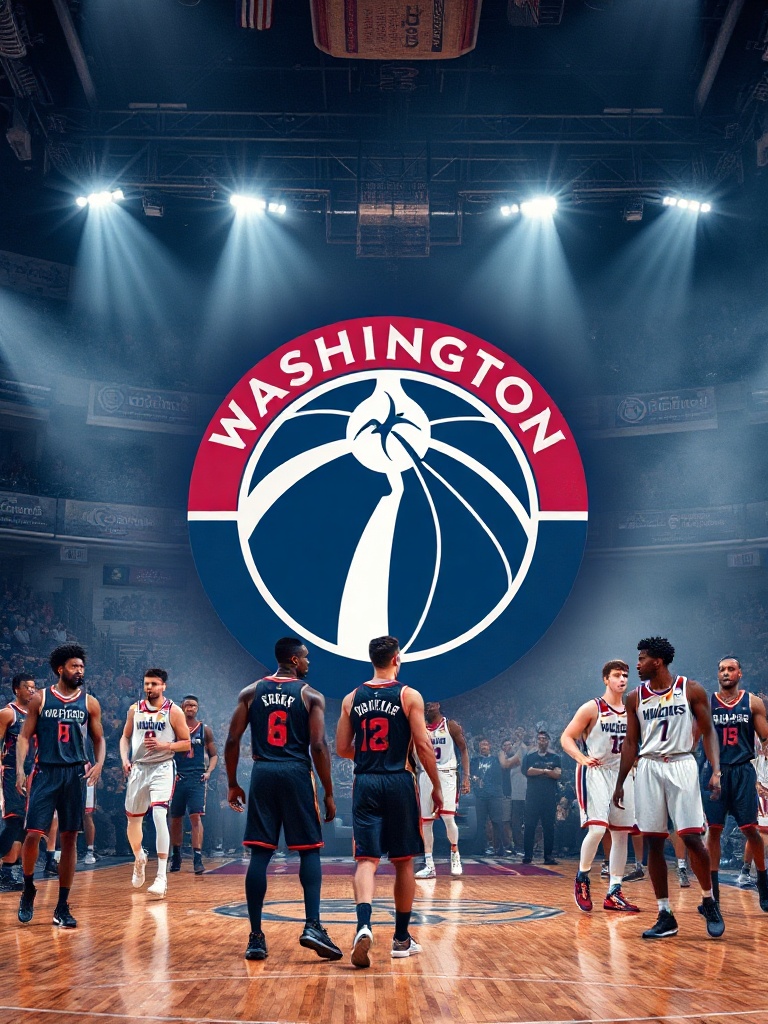
The Washington Wizards are navigating a defining chapter, blending a rebuild with smart roster moves to become competitive in a crowded Eastern Conference. For fans and casual observers alike, the team’s direction offers clues about how organizations can balance draft development, veteran leadership, and salary-cap flexibility to return to contention.
Rebuilding without abandoning competitiveness
After the departure of a longtime franchise star, the Wizards shifted focus toward accumulating draft assets and creating playing time for young talent. That strategy aims to accelerate growth without surrendering the aim of playoff contention. Successful rebuilds hinge on three elements: identifying high-upside draft picks, developing those players in real game minutes, and supplementing youth with strategic veteran acquisitions.
Player development as the cornerstone
A consistent theme is prioritizing player development.
The organization has invested in coaching, analytics, and a player-first culture that emphasizes skill growth and positional versatility. Young guards and wings are getting expanded roles, with emphasis on three-point shooting, defensive switching, and ball-handling — the attributes that modern NBA teams covet. Watch for improvements in shot selection, decision-making in late-game situations, and physical conditioning; these are the markers that separate promising prospects from reliable starters.
Front office strategy: flexibility and intelligence
The Wizards’ front office has been active in pursuing flexibility. That means managing contracts to allow for mid-season upgrades, retaining tradeable assets, and avoiding long-term salary burdens that limit maneuverability. Smart teams leverage their cap space and draft capital to move up in the draft or make targeted trades for veterans who fit the team’s identity. Expect the Wizards to evaluate veterans who can mentor young players while contributing meaningful minutes.
Home-court energy and fan engagement
Capital One Arena remains the emotional hub for Wizards fans. Game-night experiences continue to evolve with enhanced in-arena entertainment, local partnerships, and community outreach that keep the fan base connected during transition periods.
A strong home atmosphere helps young players gain confidence and sends a signal around the league that the team’s market is vibrant and supportive.
What to watch this season
– Rookie and sophomore progress: Track usage rates, shooting efficiency, and defensive metrics. Incremental improvements in each signal genuine development.
– Trade-market activity: The front office may package assets to acquire a veteran piece who complements the young core. Such a move often defines the next competitive window.
– Coaching adjustments: Tactical changes, especially on defense, can rapidly change outcomes. Look for schemes that maximize switching and protect against late-game collapses.
– Veteran leadership: The presence of seasoned players who can close games and stabilize locker-room culture is invaluable during a rebuild. Their impact is both statistical and intangible.
Why it matters
The Wizards’ path illustrates how a franchise can rebuild thoughtfully rather than restart recklessly.
By blending development, savvy asset management, and community engagement, the team aims to craft a sustainable contender. For fans, the coming months are about watching potential unfold: progress in the stat sheet, chemistry on the court, and strategic moves that signal a rising trajectory.
Keep an eye on roster updates and game trends; small shifts now could set the stage for big results down the line.
Whether you follow every box score or catch a few marquee matchups, the Wizards’ journey is a case study in modern team-building.
Leave a Reply