Georgetown’s enduring appeal comes from a rare mix of historic architecture, lively commercial corridors, and waterside green space — all within a compact, walkable neighborhood. Whether visiting for shopping, dining, or a scenic stroll, Georgetown offers a sense of discovery around every corner.
Historic character and urban fabric
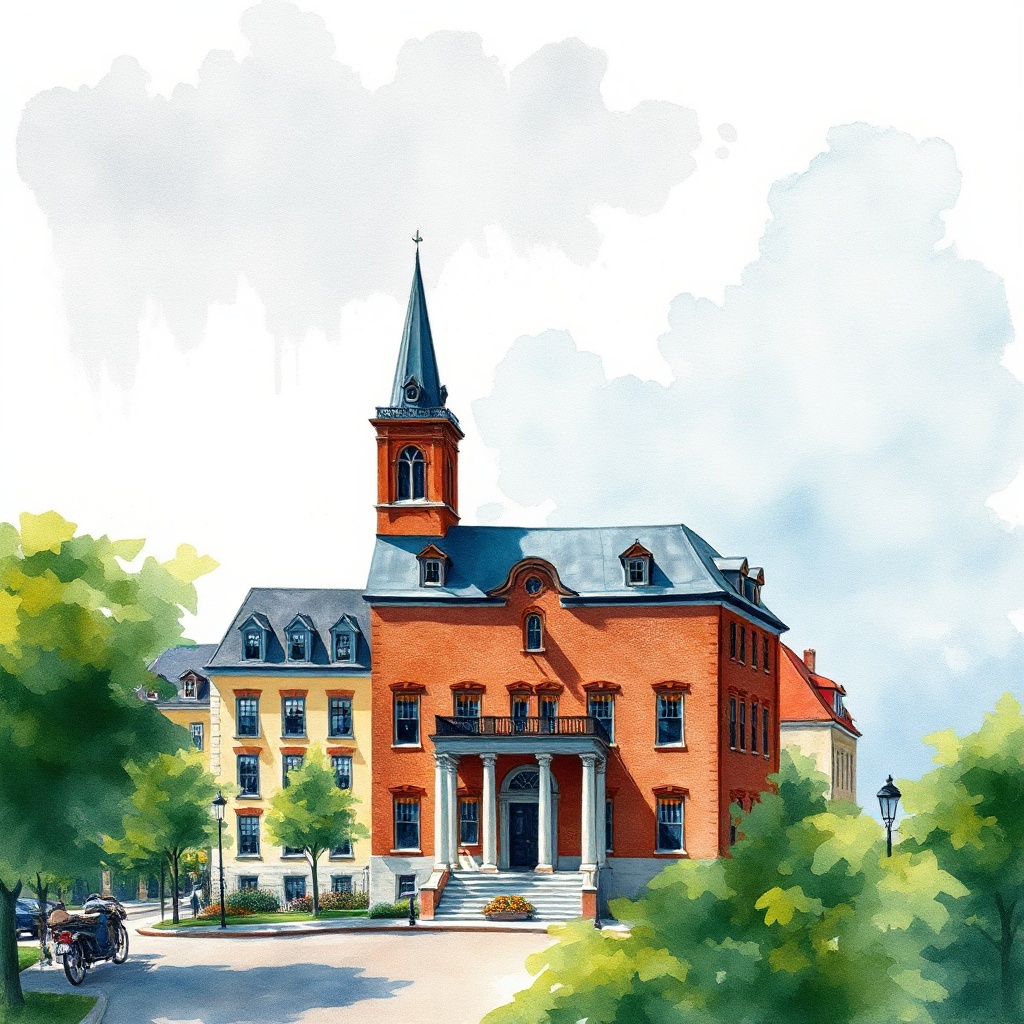
Cobblestone alleys, Federal-style rowhouses, and preserved landmarks anchor Georgetown’s streetscape. The neighborhood’s historic district creates a strong sense of place, where careful preservation keeps facades and streetscapes intact while allowing contemporary uses inside. That balance — honoring architectural heritage while supporting modern retail, dining, and residential needs — is central to Georgetown’s identity.
Shopping and dining draw
M Street and Wisconsin Avenue are the main arteries for shopping and dining. Here, independent boutiques sit alongside established retailers, while a diverse restaurant scene serves everything from classic American fare to international cuisine. Small, chef-driven spots and well-known dining destinations both contribute to the neighborhood’s reputation as a culinary destination. Seasonal sidewalk seating and lively storefront displays make these corridors compelling for both locals and visitors.
Waterfront and outdoor life
The Potomac River waterfront is a highlight, with parkland, pedestrian pathways, and vibrant spots for people-watching.
Waterfront trails connect to larger regional greenway systems, making Georgetown a great starting point for longer runs or bike rides. The C&O Canal towpath offers a quieter, more historic outdoor route that appeals to walkers and cyclists seeking a scenic escape from the urban grid.
Culture, museums, and institutions
Georgetown is home to cultural institutions and galleries that enrich the neighborhood’s offerings. Museums, university events, and public lectures bring regular foot traffic and provide intellectual and artistic stimulation. Small galleries tucked into side streets reward curious visitors with rotating local art shows and occasional pop-up events.
Real estate and urban challenges
Demand for housing in Georgetown remains high, driven by location, school options, and the neighborhood’s charm. That popularity brings elevated housing costs and limited supply.
At the same time, preservation rules and community input shape development decisions, which helps maintain scale and character but can complicate efforts to expand housing options. Transit and mobility also remain priorities: improving bus service, pedestrian safety, and bike infrastructure are ongoing community conversations that affect daily life and visitor access.
Tips for visitors and residents
– Walk the side streets: Some of Georgetown’s most photogenic moments and the best local shops are a few steps off the main avenues.
– Use transit or bike where possible: Parking is limited; buses, rideshares, and bike lanes make access simpler.
– Explore the waterfront at different times: Mornings and evenings showcase different atmospheres — peaceful sunrise walks or lively waterfront dining after work.
– Support local businesses: Independent shops and restaurants contribute to the neighborhood’s unique character.
Looking forward
Balancing historic preservation with modern urban needs — including more housing variety, improved transit, and climate resilience for waterfront areas — will shape Georgetown’s future. That conversation is active among residents, business owners, and city agencies, and it will determine how the neighborhood evolves while retaining the charm that draws people to it.
Georgetown remains a compelling urban neighborhood: intimate and walkable, with enough variety to keep returning worthwhile, whether for a quick visit or a deeper exploration.
Leave a Reply