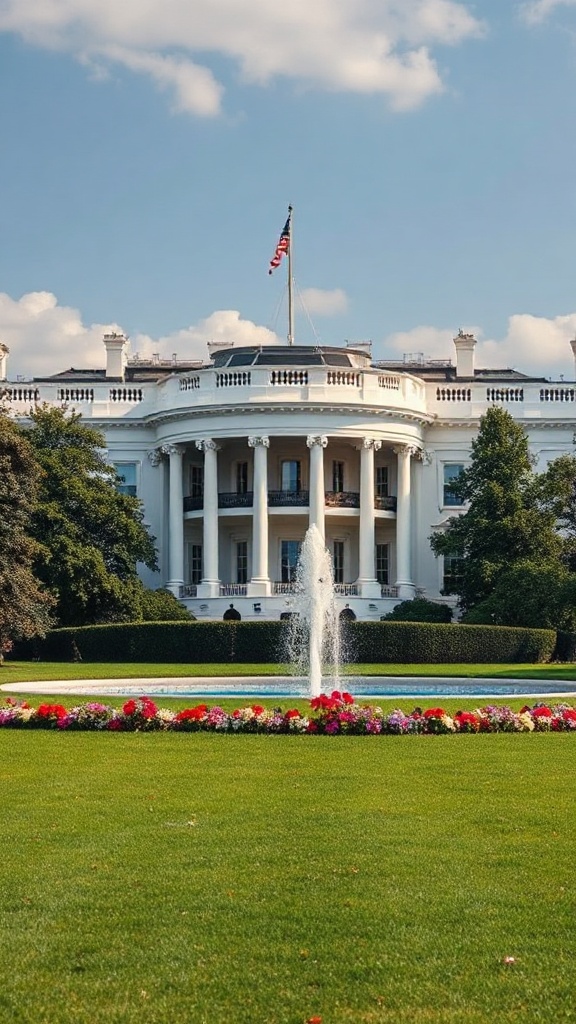
Planning a visit to the White House? Whether you’re a first-time visitor or a frequent traveler to the capital, knowing how public access works and what to expect makes the experience smoother and more memorable. The White House remains one of the most iconic public buildings in the country, combining living quarters, official reception rooms, gardens, and a busy working complex that hosts diplomatic, ceremonial, and cultural events.
How to request a tour
Public tours are offered at no charge, but they require advance requests. U.S. residents generally request tours through their Member of Congress; international visitors coordinate through their embassy in Washington. Requests must be submitted ahead of time and are processed through security screening. Check official channels for the latest guidance and any temporary changes to scheduling.
What you’ll see
Typical public tours pass through the State Floor and may include the East Room, Blue Room, Green Room, and the State Dining Room, along with views of exterior gardens like the Rose Garden. Certain spaces—such as the Oval Office and private residential quarters—are not part of standard public tours and are only opened during special events or by invitation. The White House Visitor Center, located nearby, offers exhibits, artifacts, and multimedia displays that provide historical context and enrich the visit.
Security and entry tips
Expect airport-style security screening.
Bring a government-issued photo ID and minimal personal items — large bags and certain items are prohibited. Photography is allowed in many public spaces but restrictions may apply; follow staff instructions. Dress comfortably and be prepared for walking and standing. If you have accessibility needs, request accommodations when you make your tour reservation so arrangements can be made.
Timing and practical advice
Tour availability varies with the presidential schedule and official events, so flexibility is important. If your requested date isn’t available, consider visiting the Visitor Center, nearby memorials, or taking a guided walking tour of the National Mall. Arrive early on the day of your tour to allow time for security and check-in.
Accessibility and special programs
The White House has increased focus on accessibility and public engagement.
Wheelchair access is provided for most public areas, and requests for sign language interpretation or other accommodations can be made in advance. For those who can’t attend in person, official virtual tours and streaming events offer accessible ways to experience the White House’s rooms and programs from anywhere.
Sustainability and preservation
Ongoing preservation efforts focus on safeguarding historic interiors while upgrading systems for energy efficiency and visitor comfort. You’ll notice conservation work and interpretive signage that explain restoration projects, historical furnishings, and the stewardship that keeps the residence and public rooms preserved for future visitors.
Final planning checklist
– Submit a tour request through a congressional office or embassy well before your planned visit
– Bring government photo ID and travel light
– Check official resources for updates on closures or schedule changes
– Request accessibility accommodations when booking
– Explore the Visitor Center and virtual tour options if an in-person tour isn’t available
A visit to the White House is both a civic and cultural experience. With a little preparation and flexibility, you can enjoy the historic rooms, meaningful exhibitions, and the stories that make this building a living symbol of public life.
Leave a Reply