Georgetown: Where History Meets Modern City Life
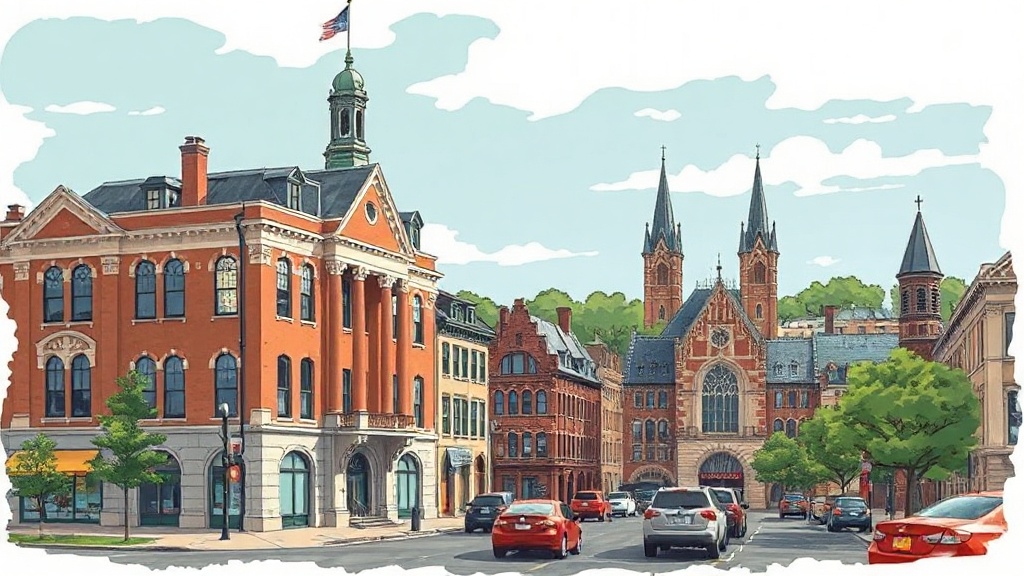
Cobblestone streets, Federal-style rowhouses, and a lively waterfront make Georgetown one of the most distinctive neighborhoods in the nation’s capital. The area balances deep historic character with a dynamic mix of shopping, dining, and university life, creating an urban experience that appeals to visitors and longtime residents alike.
Historic fabric and scenic walks
Strolling Georgetown feels like moving through a living museum.
The C&O Canal towpath offers a peaceful, tree-lined route ideal for walking, running, or a slow bike ride, while narrow side streets reveal impeccably preserved architecture and hidden courtyards. Landmarks like the Old Stone House anchor the neighborhood’s story, but much of Georgetown’s charm is found in everyday details: wrought-iron railings, brick facades, and window boxes overflowing in season.
Shopping and dining variety
M Street and Wisconsin Avenue form the commercial spine, where independent boutiques and national retailers sit side-by-side. Window-shopping transitions easily into boutique discovery—antiques, home goods, and specialty food shops are plentiful.
The dining scene is equally varied, with casual cafes, polished bistros, and chef-driven restaurants offering international flavors and locally influenced menus. Outdoor seating along the waterfront and in tucked-away courtyards enhances the neighborhood’s dining appeal.
University energy and cultural offerings
Georgetown University contributes academic energy and cultural programming that spill into the neighborhood. Public lectures, galleries, and performances complement nearby independent theaters and art spaces, creating a cultural calendar with something for almost every interest. The student population keeps parts of the area lively year-round, while also supporting an ecosystem of bookstores, coffee shops, and affordable eats.
Waterfront and outdoor life
The Potomac waterfront is a major draw. Parks, piers, and promenades invite kayaking, paddleboarding, and riverside strolls.
Waterfront paths connect to broader trail networks, making Georgetown a gateway to longer urban outdoor excursions. Seasonal farmers markets and pop-up events often appear along the waterfront, offering local produce and artisanal goods.
Preservation meets modern needs
Maintaining the neighborhood’s historic character requires a careful balance between preservation and contemporary living. Adaptive reuse projects and sensitive renovations allow modern amenities to sit comfortably within older structures. Community-led planning efforts focus on sustainable upgrades, streetscape improvements, and flood resilience to protect the waterfront while preserving the area’s aesthetic appeal.
Practical tips for visiting
– Wear comfortable shoes: cobblestones and uneven sidewalks are part of the charm but can be challenging.
– Expect limited street parking: consider public transit, ride-shares, or biking for easier access.
– Explore early or late in the day to avoid peak tourist crowds and enjoy cooler temperatures.
– Mix planned stops with aimless wandering—some of Georgetown’s best discoveries are unplanned.
Why Georgetown endures
The neighborhood’s enduring popularity rests on a simple combination: historic atmosphere, walkability, and a lively mix of retail, dining, and cultural venues. Whether you’re drawn by architecture, university events, waterfront activities, or boutique shopping, Georgetown offers a layered urban experience that feels both classic and current. For those seeking a city neighborhood with character and convenience, it remains a go-to destination.
Leave a Reply