Balancing History, Security, and Sustainability: How the White House Evolves for a Modern Era
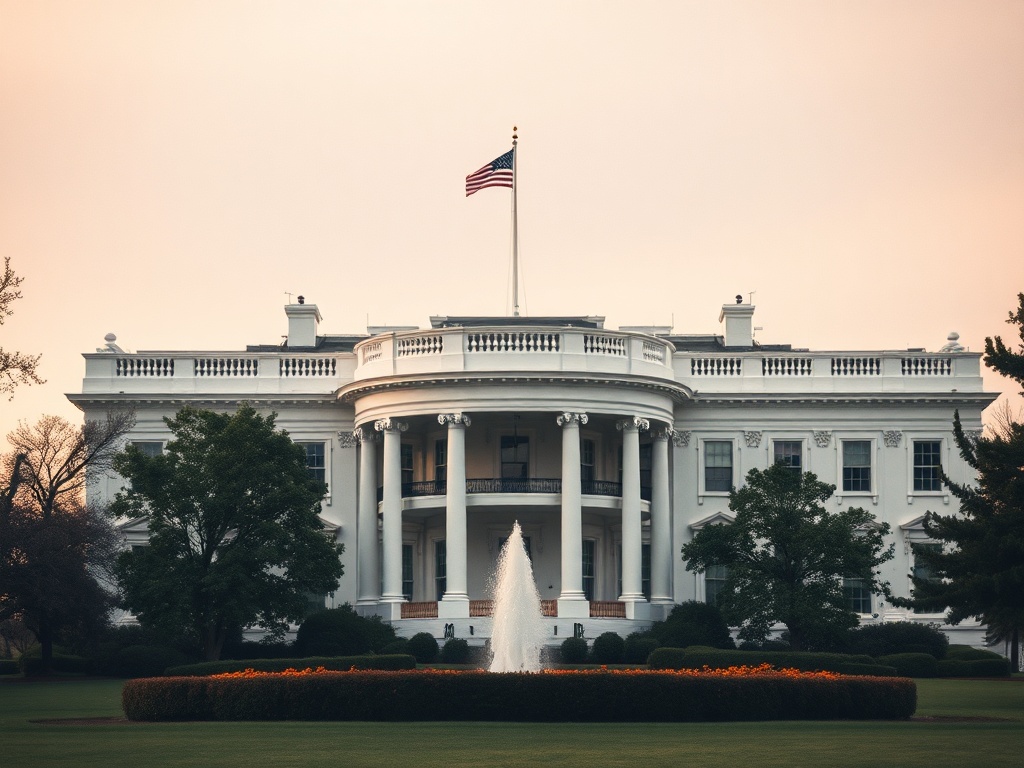
The White House is more than an executive residence; it’s a living museum, a working office, and a high-security site all at once. Maintaining that balance requires careful coordination between preservation specialists, security professionals, and the office of the president, while meeting growing expectations for sustainability and public access.
Preserving a historic interior while meeting modern needs
A dedicated preservation committee and a private historical association guide decisions about décor, furniture, and conservation of artworks and textiles.
Their work aims to keep the public rooms authentic and accessible for official events, while adapting behind-the-scenes systems to contemporary standards.
Conservation projects often involve textile restoration, furniture stabilization, and careful environmental control to protect fragile objects without compromising historic integrity.
Security and public access: a careful trade-off
Protecting the president, staff, and visitors is the top priority.
Security professionals coordinate constantly with preservation teams to integrate measures such as reinforced entry points, discreet surveillance, and controlled access routes that reduce visual impact on historic spaces. Public tours remain available but are limited and highly coordinated through congressional offices to ensure safety; visitors should expect identity checks, background screening, and restrictions on bags and photography in certain areas.
Sustainability and resilience in a historic setting
Modern expectations for energy efficiency and resilience have pushed historic sites to innovate. The White House complex has adopted low-profile, reversible interventions that reduce energy use and water consumption without damaging historic fabric—examples include LED lighting that replicates historic color temperatures, high-efficiency HVAC systems designed for sensitive interiors, and landscape practices that prioritize native plants and stormwater management. These measures improve comfort and reduce operating costs while respecting the site’s heritage.
Event logistics: how the White House stays operational
State dinners, press briefings, and holidays require fast, precise logistical coordination. Event planners work with culinary teams, protocol officers, preservationists, and security to stage functions that are both secure and historically appropriate. Rotating seasonal displays—such as holiday decorations—are planned to protect furnishings and textiles, often using protective barriers and specialized mounting techniques.
What visitors should know
– Tour arrangements: Requests typically go through a member of Congress; tours are limited and must be requested well in advance.
– Identification and screening: Expect thorough security screening and to present valid identification.
– Rules: Cameras, large bags, and certain personal items may be restricted; follow staff instructions for allowed items.
– Special events: Public programs and holiday displays draw demand, so plan ahead and double-check access procedures.
Why this matters
The White House’s stewardship model illustrates a broader challenge faced by many historic sites: how to preserve authenticity while meeting contemporary operational, security, and environmental demands. Solutions that prioritize reversibility, minimal visual impact, and interdisciplinary collaboration allow a historic residence to function effectively as a modern seat of government.
For those interested in visiting or following preservation work, check official channels for tour procedures and updates. Behind the curtains, ongoing efforts ensure that the White House remains both a symbol of history and a functional center of civic life.
Leave a Reply