Washington, D.C., beyond the monuments: neighborhoods, culture, and how to experience the city like a local
Washington, D.C.
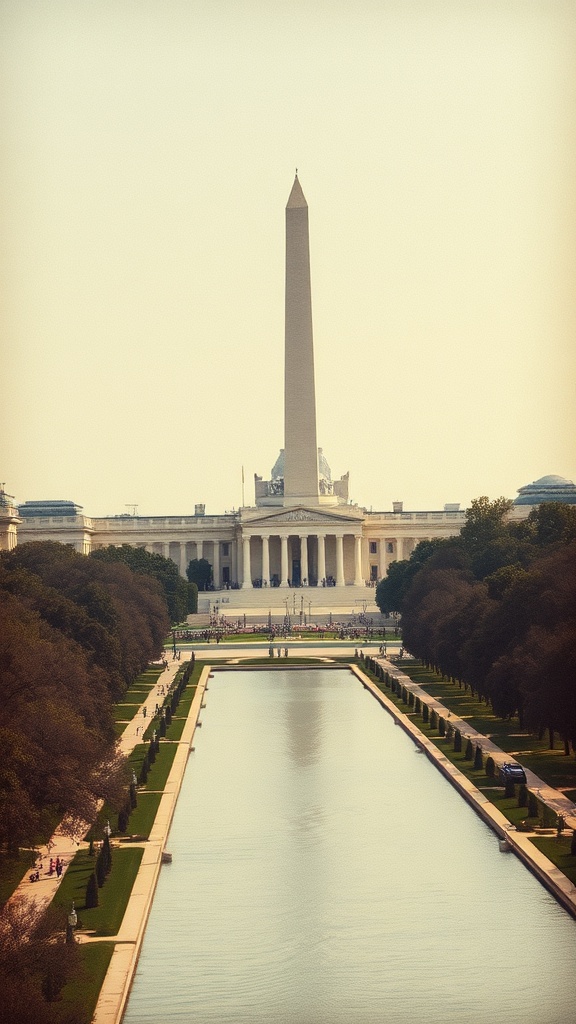
is often defined by its iconic skyline of domes and memorials, but the city’s real personality is revealed in its neighborhoods, food scene, and green corridors.
Whether you’re a first-time visitor or a regular, knowing where to go and how to move around brings the capital to life.
Neighborhoods that showcase DC’s variety
– Georgetown retains cobblestone charm and waterfront dining, ideal for strolling boutique-lined streets and the canal.
– U Street and Shaw pulse with historic jazz roots alongside modern bars, late-night eateries, and creative galleries.
– H Street NE and Navy Yard offer lively nightlife, craft breweries, and riverfront parks that attract locals and visitors alike.
– Adams Morgan and Columbia Heights are multicultural hubs where international markets and late-night dining options abound.
– Anacostia and the emerging neighborhoods along the Anacostia River highlight community-led cultural institutions, public art, and the growing Riverwalk Trail.
Museums, arts, and free attractions
The Smithsonian museums remain a standout draw, with many offering free admission and rotating exhibitions.
Popular choices include collections of art, aviation, natural history, and American culture.
Several museums and memorials near the National Mall are walkable, so plan a route that mixes larger institutions with smaller specialty museums and off-Mall gems that reflect local histories.
Performing arts venues across the city present everything from classical music and theater to avant-garde productions.
Look for weekend matinees and late-night shows for a different perspective on the city’s creative scene.
Eat like a local
Washington’s dining landscape ranges from upscale tasting menus to beloved neighborhood diners and bustling food halls. Farmers’ markets and local butcher- and produce-driven restaurants emphasize seasonal, sustainable ingredients.
For lighter exploration, follow a neighborhood food crawl—start with coffee and pastries, sample savory small plates in the afternoon, and end with a rooftop cocktail or craft beer.
Getting around
Public transit is convenient for many destinations; the Metro and bus network connect neighborhoods and major attractions. Short hops are often served by the DC Circulator and bike-share programs; dockless scooters and e-bikes are common for short distances, especially along riverside trails.
For late nights or less-served routes, rideshares and well-lit main streets are reliable options.
Practical tips for a smooth visit
– Some popular museums use timed-entry passes for crowd control—reserve ahead for must-see exhibits.
– Weekday mornings are best for quieter visits to the Mall and museums; evenings bring vibrant dining and entertainment options.
– Bring comfortable walking shoes—many discoveries come when you wander a few blocks off the main avenues.
– Be mindful of personal items in crowded areas and cross streets at designated crosswalks; police presence is strong near major attractions, but normal urban caution applies.
Sustainable and community-focused travel
Look for neighborhood ventures that prioritize local sourcing and equitable development. Community markets, locally owned cafes, and cultural centers offer authentic experiences while supporting neighborhood economies. Green spaces like Rock Creek Park and the Anacostia Riverwalk give urban respite and are great for bike rides, picnics, and birdwatching.
Washington, D.C. rewards curiosity. Move beyond the typical photo stops to linger in a neighborhood, savor local flavors, and catch a show—those experiences reveal the city’s lively, layered character.
Leave a Reply