Georgetown: Where Historic Charm Meets Contemporary Life
Nestled along the Potomac, Georgetown blends narrow cobblestone streets and Federal-style rowhouses with lively shops, a thriving dining scene, and riverside green space.
Whether you’re strolling the C&O Canal towpath, browsing boutiques on M Street, or pausing for coffee near campus, Georgetown offers an urban village feel that keeps locals and visitors coming back.
Historic fabric and thoughtful preservation
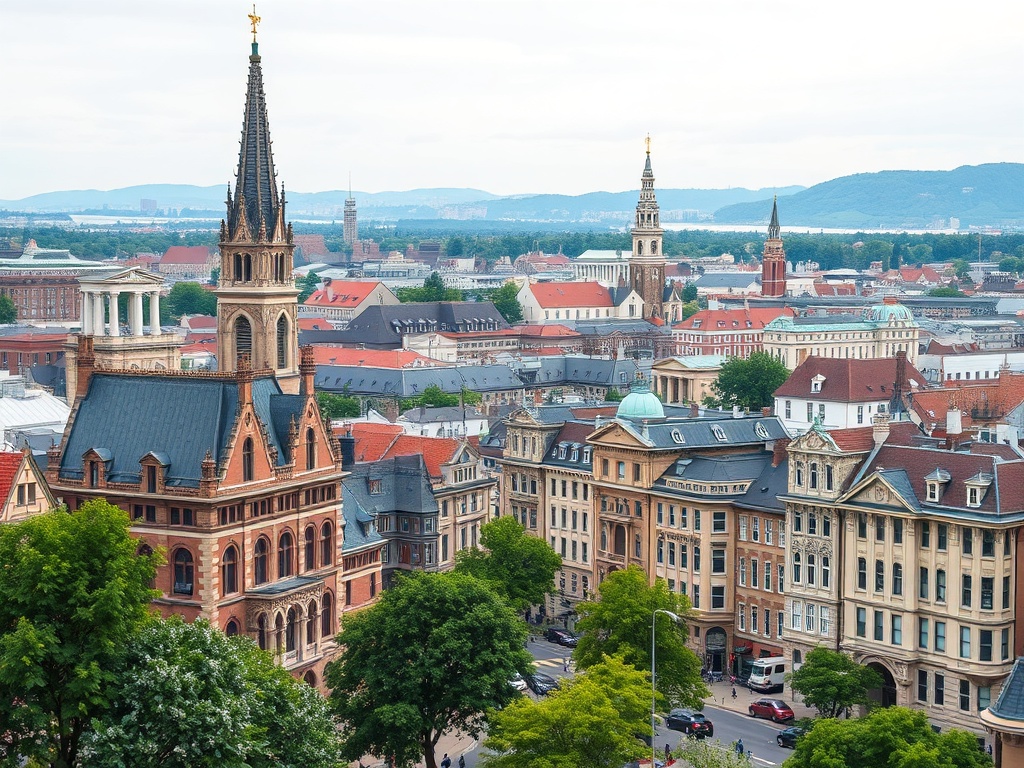
Georgetown’s identity is anchored in preservation. Rigorous landmark protections maintain the scale, materials, and character of the neighborhood, so modern projects often must adapt to existing streetscapes rather than replace them. That has preserved scenic views and architectural variety—from brick rowhouses and old warehouses to landmark sites like the Old Stone House and historic estates tucked behind leafy streets.
Shopping, dining, and the small-business ecosystem
M Street and Wisconsin Avenue form the commercial spine, where independent boutiques sit alongside national retailers. In recent seasons the retail mix has shifted toward experiential offerings: specialty food purveyors, design studios, artisan workshops, and concept-driven restaurants. Food options range from casual cafés and bakeries to chef-driven tasting menus, making Georgetown a destination for both weekday errands and evening dining.
Outdoor lifestyle and waterfront access
The C&O Canal towpath invites runners, cyclists, and families to escape the city bustle without leaving the neighborhood.
Georgetown Waterfront Park provides lawn space, river views, and kayaking access when the weather allows, while the Georgetown Waterfront Trail links to broader Potomac River paths. These green corridors play a key role in neighborhood life, supporting recreation, events, and dog-friendly outings.
Campus energy and community relations
The nearby university contributes cultural programming, public talks, and seasonal events that enrich the neighborhood. Campus expansion and community collaboration are ongoing conversations, focusing on shared benefits: preserving residential quality while supporting educational growth. Local civic groups and university representatives frequently engage on topics like housing, transportation, and public space improvements.
Real estate and livability
Housing in Georgetown ranges from historic rowhouses and garden apartments to upscale condominiums. Strict preservation and zoning policies create a high-demand, limited-supply market, influencing prices and rental dynamics. For many residents, proximity to river trails, schools, and neighborhood retail outweighs commute considerations.
Parking, traffic calming, and curb management remain focal points in planning discussions.
Getting there and getting around
Georgetown is highly walkable and increasingly bike-friendly, with bike lanes and shared-path connections to nearby neighborhoods. Public transit options connect the area to the broader city network, and riverfront access offers alternative commuting modes for recreational trips.
For short visits, plan for limited parking and consider a combination of transit, walking, or rideshares.
Looking ahead: balancing growth and character
Ongoing investments aim to enhance public spaces, support small businesses, and improve multimodal access while preserving the neighborhood’s low-rise, historic character. Residents and planners continue to explore resilient design—stormwater solutions, tree canopy protection, and sustainable infrastructure—to keep Georgetown livable and vibrant as weather patterns and urban needs evolve.
Whether you’re drawn by history, dining, shopping, or the river, Georgetown remains a neighborhood where past and present coexist gracefully. For best results, plan visits around weekends for market activity, or explore quieter weekday mornings to enjoy the canals and hidden gardens with fewer crowds.
Leave a Reply