Georgetown: Historic Charm Meets Modern Urban Living
Georgetown remains one of the most magnetic neighborhoods in the nation’s capital, blending colonial-era architecture with a lively dining, shopping, and cultural scene.
Whether you’re a visitor planning a day trip or a resident thinking about lifestyle and investment choices, Georgetown offers a mix of walkable streets, waterfront recreation, and neighborhood character that’s rare in big cities.
What defines Georgetown
Georgetown’s identity rests on a few key elements: cobblestone streets, Federal-style rowhouses, the C&O Canal towpath, and the iconic shopping corridors of M Street and Wisconsin Avenue. The neighborhood’s historic district protections ensure that renovations respect the architectural fabric, while interior updates and adaptive reuse projects keep spaces functional and attractive for contemporary life.
Dining and small business energy
The food scene ranges from refined farm-to-table restaurants to casual cafés and international eats. Independent boutiques and specialty shops continue to thrive alongside national brands, creating a retail mix that feels curated rather than cookie-cutter.
Entrepreneurs often favor Georgetown for its steady foot traffic, affluent local market, and visibility to tourists and university communities.
Outdoor life and the waterfront
The Georgetown Waterfront Park is a central gathering place. Visitors and neighbors enjoy riverfront walks, kayaking, and seasonal events that activate the public space. The C&O Canal towpath is a quiet green artery for jogging, cycling, and historic interpretation—an easy escape from city bustle.
Tree-lined streets and small parks contribute to a strong sense of neighborhood livability.
Mobility and accessibility
Connectivity improvements and targeted traffic-calming measures have shaped a more pedestrian-friendly environment. Bike lanes and car-free sections are increasingly common near greenways and public spaces, while public transit and rideshare options make Georgetown accessible without a car. For those who prefer two wheels, bike-share stations and secure parking options are widely available.
Real estate and lifestyle trends
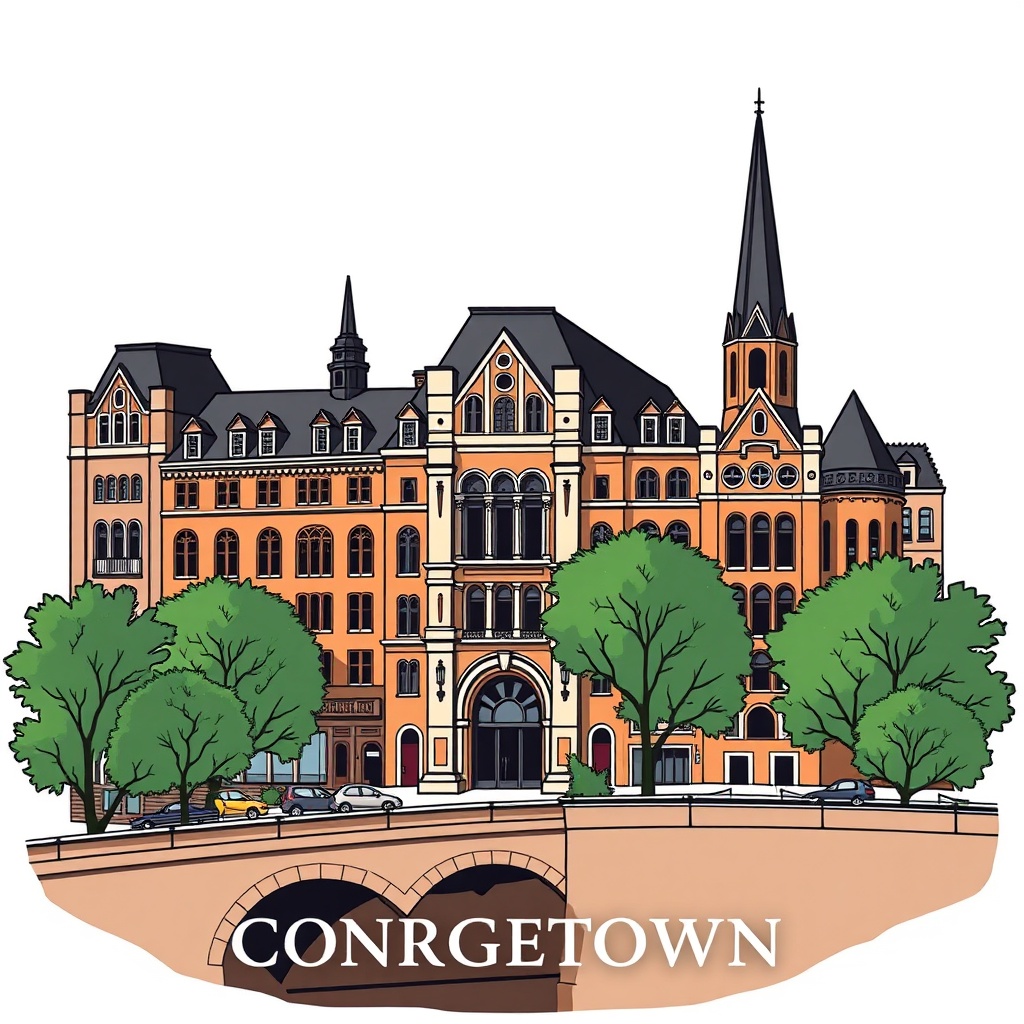
Housing in Georgetown leans toward historic rowhomes, condominiums, and renovated townhouses. Preservation restrictions mean supply is limited, which keeps the area competitive.
Buyers and renters often prioritize proximity to the waterfront, walkability to shops and restaurants, and access to parks. Many homeowners invest in interior modernization—kitchens, energy upgrades, and smart-home features—while maintaining exterior historic details.
Education and community life
Georgetown University anchors the neighborhood’s intellectual and cultural life, offering public lectures, performances, and athletic events that are often open to the wider community. Local civic groups and neighborhood associations are active on issues such as preservation, traffic, and public space programming, ensuring residents have a voice in shaping change.
Tips for experiencing Georgetown
– Walk, don’t drive: Cobblestones and narrow streets are part of the charm; on-foot exploration reveals hidden courtyards and independent shops.
– Explore the waterfront: Rent a kayak or simply stroll along the river at sunset.
– Venture off M Street: Side streets often conceal quieter cafés, galleries, and historic houses.
– Check community calendars: Pop-up markets and public lectures add cultural depth to a neighborhood visit.
Why it matters
Georgetown represents a model of urban continuity—historic preservation balanced with modern amenities and active community stewardship.
It’s a neighborhood that continues to evolve thoughtfully, offering a textured city experience that appeals to visitors, students, professionals, and long-term residents alike.
Leave a Reply