The Washington Nationals are at an interesting crossroads: balancing a rebuild with the demands of a passionate fanbase and a crowded National League East. For fans and observers, the story is less about headline splashes and more about sustainable growth — player development, pitching depth, and a renewed focus on analytics.
Youth and player development
The organization has shifted resources into scouting, international signings, and a deeper minor-league pipeline. That means more chances for homegrown talent to rise through the ranks and make an impact at the major-league level. Expect young position players and arms to be given looks sooner rather than later, with an emphasis on defensive versatility and pitch-development programs that aim to convert high-velocity raw arms into reliable starters and late-inning relievers.
Pitching as a foundation
A clear organizational priority is starting pitching. Developing durable innings eaters and building a shutdown bullpen are essential to competing in a division with heavy-hitting opponents. The Nationals’ approach blends biomechanics-driven training, individualized pitch-plan development, and targeted acquisitions aimed at complementing younger starters. Depth — not just star power — is the metric the front office watches closely.
Roster construction and strategy
Rather than chasing marquee free agents every offseason, the club’s strategy leans toward assembling a balanced roster: athletic defense up the middle, switch-hitting depth, and complementary bench pieces.
When adding veteran pieces, the focus tends to be on players who can mentor rising talents and fill specific lineup or bullpen roles. Expect trades and low-cost signings to play a larger role than blockbuster spending until the farm system fully bears fruit.
Nationals Park and the fan experience
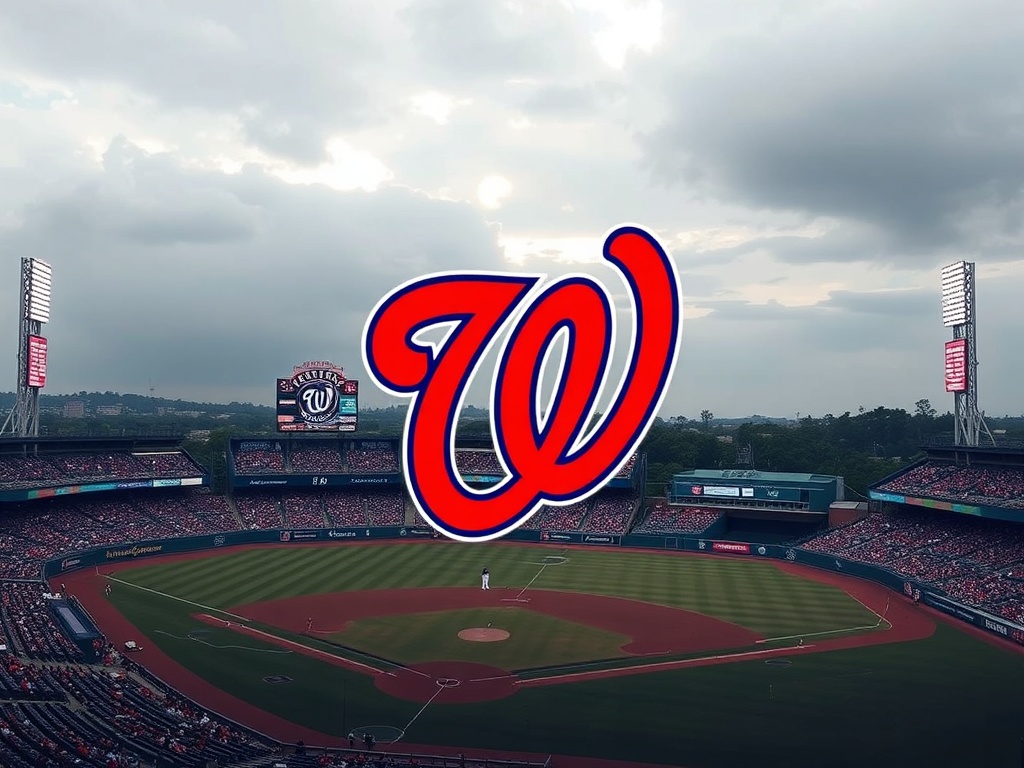
Nationals Park remains a focal point for Washington sports culture. Located in the Navy Yard neighborhood, the ballpark offers easy public transit access via the nearby Metro stop, a variety of craft beer and food options inside and nearby, and a lively gameday atmosphere with views of the Anacostia waterfront. Fan-friendly promotions, theme nights, and community events have kept attendance healthy even while the team retools.
Rivalries and competitive landscape
Competing in the NL East means frequent battles against some of baseball’s most potent offenses. Division games carry extra weight and provide a measuring stick for the club’s progress. Homegrown prospects getting their first tastes of those rivalries is part of a longer narrative that encourages patience from the fanbase.
Community and outreach
The franchise continues to invest in youth baseball programs, neighborhood partnerships, and charitable initiatives. These efforts strengthen the connection between the team and its city, ensuring that the Nationals remain woven into D.C.’s civic fabric regardless of on-field ups and downs.
What to watch
– The emergence of young everyday players and whether they can stick defensively while producing at the plate.
– Starting-pitching innings and the development timeline for arms moving through the system.
– Midseason trades that signal a shift from pure rebuilding toward contention.
– Attendance and engagement at Nationals Park as a gauge of local enthusiasm.
For fans, this era is about watching a foundation being laid. The payoff isn’t guaranteed overnight, but a patient, development-first strategy paired with smart acquisitions can turn a talented farm system into a sustainable big-league contender. Keep an eye on roster moves, prospect promotions, and how the pitching staff evolves — they’ll be the clearest indicators of whether the Nationals are ready to move from rebuilding to competing.
Leave a Reply