Washington, D.C. blends iconic monuments, world-class museums, vibrant neighborhoods, and a surprisingly dynamic food scene into a compact, walkable city. Whether visiting for the first time or rediscovering familiar streets, a few practical tips and neighborhood highlights will help you make the most of your time in the capital.
Start at the National Mall
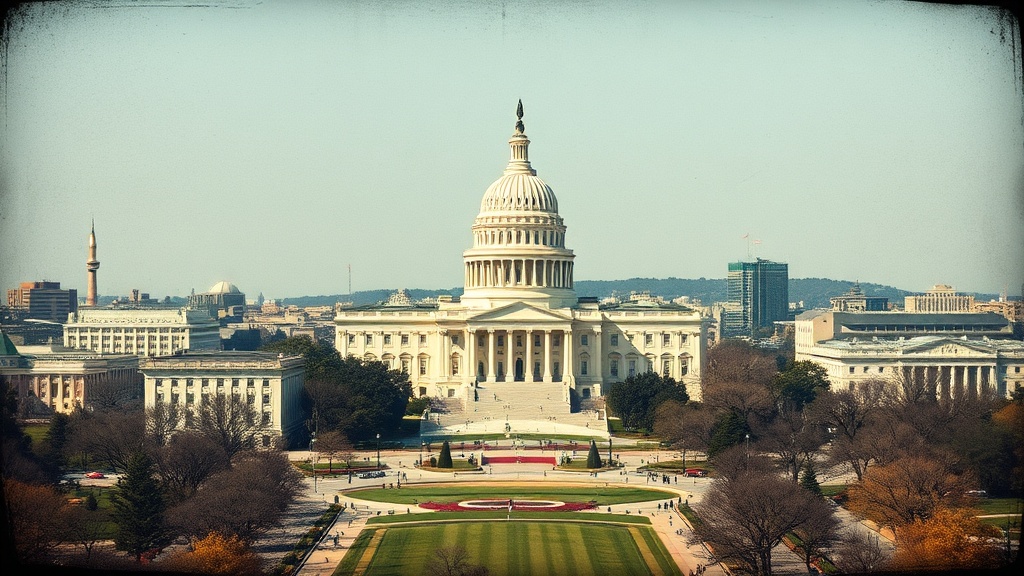
The National Mall is the city’s magnetic center. Stroll past the Washington Monument and visit memorials honoring presidents and veterans—popular stops include the Lincoln Memorial, World War II Memorial, and the Vietnam Veterans Memorial.
Nearby monuments and the Tidal Basin offer particularly striking views during spring bloom and crisp fall days.
Plan enough time: the Mall is large, and each memorial rewards a slow pace.
Museum must-sees (many with free entry)
Smithsonian museums line the Mall and are must-visits for many travelers. The National Museum of American History, National Air and Space Museum, and National Museum of Natural History offer deep, accessible collections. The Smithsonian’s National Museum of African American History and Culture is a powerful experience; some museums use timed-entry or advance reservations during busy periods, so check official sites before you go. The National Gallery of Art and its sculpture garden are also free and perfect for art lovers.
Neighborhoods with distinct personalities
– Georgetown: Historic cobblestone streets, boutique shopping, and waterfront dining by the Potomac.
Great for a relaxed afternoon and sunset views.
– Capitol Hill & Eastern Market: Stately rowhouses, the lively weekend market, and plenty of casual eateries.
Ideal for food lovers and architecture fans.
– U Street & Shaw: A rich cultural history with legendary music venues, late-night energy, and some of the city’s best Ethiopian restaurants.
– Wharf & Navy Yard: Waterfront promenades, seafood spots, and vibrant nightlife—easy to combine with kayaking or a river cruise.
– Dupont Circle: Bookshops, embassies, rooftop bars, and a lively café scene make this neighborhood a favorite for strolling.
Getting around
Public transit is convenient: a combination of metro lines, buses, and the Circulator covers most tourist areas. Contactless payment or a fare card speeds boarding. Capital Bikeshare and electric scooters provide flexible short-trip options during mild weather. Parking can be limited and expensive, so rely on transit when possible.
Food and drink highlights
D.C.’s dining scene spans quick classics and inventive fine dining.
Try a regional half-smoke from a well-known local joint, sample Chesapeake-inspired seafood, and explore Ethiopian and other international cuisines concentrated in several neighborhoods. Craft breweries and rooftop bars are plentiful, offering seasonal cocktails and local brews.
Outdoor activities and green space
Rock Creek Park provides forested trails and an urban escape for hiking and biking.
The National Arboretum and waterfront trails offer quieter nature time. For active days, consider kayak or paddleboard rentals along the Potomac.
Practical tips
– Wear comfortable shoes—most exploration happens on foot.
– Expect security screening at many federal buildings and major museums; bring a valid ID.
– Check attraction websites for timed-entry requirements and special exhibits.
– Be mindful of changing weather—layering helps for sudden temperature shifts.
– Practice basic urban safety: keep valuables secure, stick to well-lit streets after dark, and use reputable ride services if needed.
With thoughtful planning, Washington, D.C.
delivers a rich mix of history, culture, and neighborhood charm that rewards both first-time visitors and seasoned explorers.
Leave a Reply