Historic charm meets modern city life in Georgetown, one of the region’s most visited neighborhoods. Lined with cobblestone streets, Federal-style rowhouses and leafy squares, Georgetown blends a deep sense of history with lively shopping, dining and waterfront activity—making it a compact, walkable district that appeals to locals and visitors alike.
A walk through the neighborhood quickly reveals why Georgetown’s architecture and streetscape feel timeless. Many buildings date from an earlier American era, and preservation efforts have kept facades and alleys intact while allowing thoughtful reinvention of interiors. The Chesapeake & Ohio Canal towpath runs along the neighborhood’s edge, offering a surprisingly quiet, green corridor for jogging, walking and cycling.
The canal’s locks and lock houses make easy, evocative stops for anyone interested in industrial-era history and riverside scenery.
The Georgetown Waterfront is a major draw. Park spaces along the Potomac provide lawns, benches and bike-friendly paths with skyline and river views.
Water taxis and seasonal river services connect Georgetown’s waterfront to other riverfront nodes, making a scenic alternative to road travel when schedules suit.
The nearby Key Bridge links the neighborhood to Arlington’s riverfront trails, offering another enjoyable route for cyclists and pedestrians.
M Street and Wisconsin Avenue anchor Georgetown’s retail and dining scene. Expect a mix of national brands, local boutiques and speciality shops alongside bakeries, coffee houses and contemporary restaurants. Culinary options range from casual cafes and cupcake shops to refined dining rooms—frequented by residents, university students and office workers.
Independent retailers and long-established shops give the neighborhood character, while occasional outdoor markets and events animate the streets during mild weather.
Georgetown University significantly shapes the area’s energy.
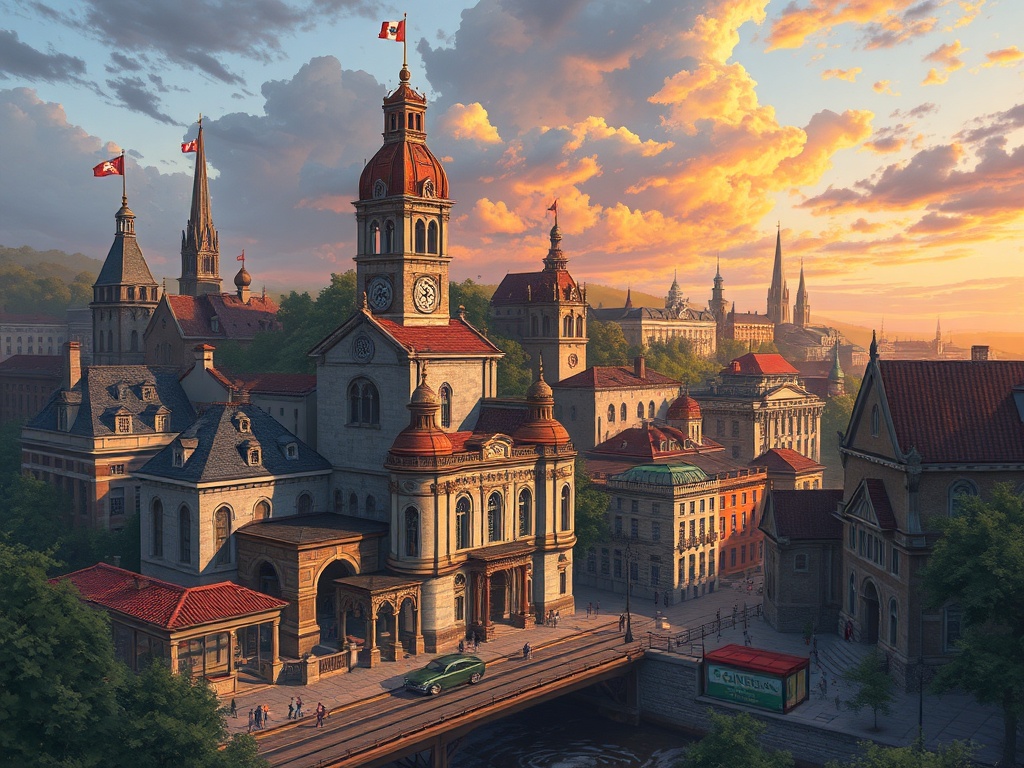
The campus contributes academic events, public lectures and an international student population that keeps cultural programming vibrant. University buildings sit smoothly among residential blocks, and many eateries and services cater to both students and the broader community.
Getting around is easiest on foot or by bike. The neighborhood is not directly served by a Metro station, so many visitors combine a short ride from nearby stations with local bus, circulator services, bike-share docks, or rideshare options.
Street parking can be limited; garages and metered spots are available but tend to fill quickly during peak times. Plan for a bit of extra time if driving, or consider public transit and walking for a more relaxed visit.
Preservation and development remain active topics locally. There’s ongoing community interest in balancing new development with the neighborhood’s historic fabric and waterfront access.
That conversation influences planning, retail turnover and the look of public spaces, so visitors may notice both restored historic properties and contemporary projects framed by careful design guidelines.
Tips for a good visit:
– Start with a walking tour of the historic district, then cross to the waterfront for a riverside stroll.
– Bring comfortable shoes for cobblestones and uneven sidewalks.
– Check transit and water-taxi options before you leave—alternatives to driving are often faster.
– Explore side streets for independent shops and hidden courtyards away from main thoroughfares.
Whether you come for history, food, shopping or river views, Georgetown rewards slow exploration. The neighborhood’s blend of preserved architecture, active university life and waterfront amenity makes it a distinctive urban neighborhood that keeps locals coming back and visitors discovering new corners each time.
Leave a Reply