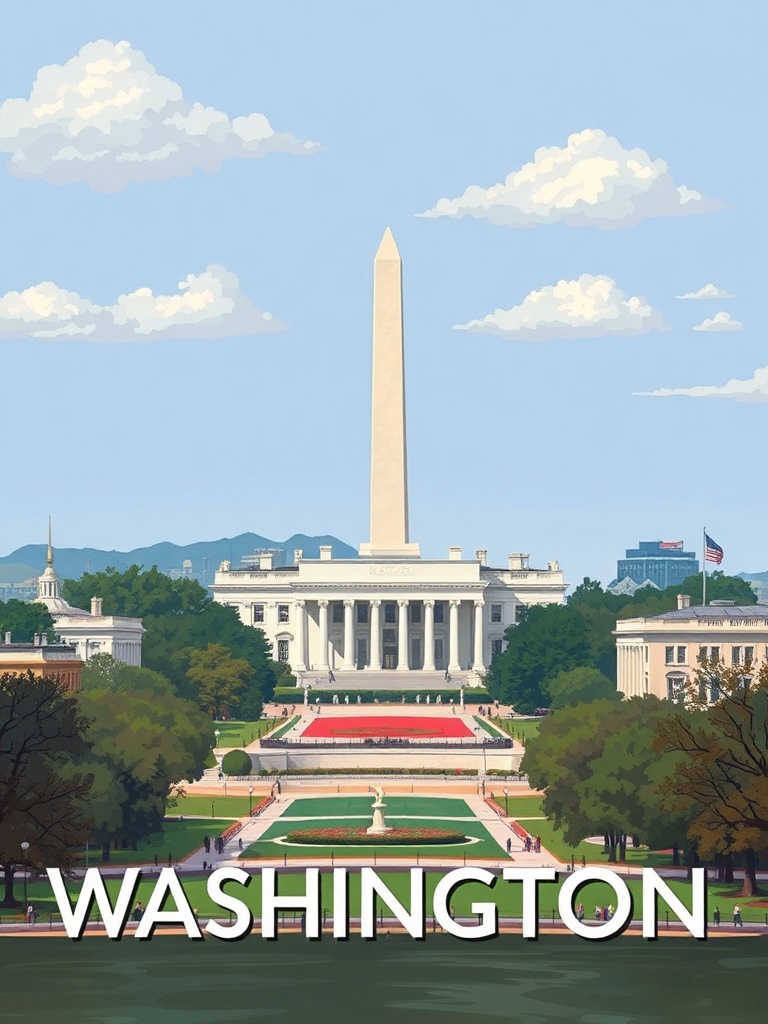
Washington DC blends iconic landmarks, lively neighborhoods, and an evolving food and culture scene that rewards both first-time visitors and repeat explorers. Whether you’re drawn to world-class museums, waterfront dining, or leafy walkable streets, the city offers accessible options and neighborhood discoveries beyond the National Mall.
What to see beyond the headline attractions
The National Mall is essential, but Washington’s appeal goes deeper. Head to the Library of Congress and the Supreme Court for impressive architecture and quiet galleries. For immersive history off the Mall, the International Spy Museum provides engaging exhibits and interactive experiences, while the National Museum of African American History and Culture offers powerful storytelling and important perspectives.
Contemporary art lovers should check out galleries and public murals in neighborhoods like Shaw and H Street.
Neighborhoods worth exploring
– Georgetown: Historic cobblestone streets, waterfront views, boutique shopping, and dining along M Street and Wisconsin Avenue.
– U Street & Shaw: A vibrant nightlife and music scene with jazz clubs, boutique theaters, and acclaimed restaurants, including standout Ethiopian dining.
– Capitol Hill: Tree-lined residential streets, Eastern Market with local vendors and seasonal events, plus easy access to the Capitol and adjacent museums.
– Navy Yard & The Wharf: Waterfront promenades, fresh seafood, riverfront concerts, and new development that pairs outdoor life with restaurants and parks.
– Logan Circle & 14th Street: Trendy restaurants, craft cocktail bars, and independent shops make this area a hub for foodies and design-minded visitors.
Dining and the local food scene
DC’s culinary identity balances fine dining with neighborhood-focused bites and global influences. A growing number of chefs are emphasizing market-driven menus, sustainable sourcing, and inventive takes on regional cuisine. Food halls and markets provide a quick way to sample local vendors, while farmers markets and pop-up dinners showcase seasonal produce and small-scale producers.
Practical tips for getting around
Washington is highly walkable in central districts, but efficient public transit and shared mobility options make it easy to cover more ground. The Metro and bus networks connect major sites; consider off-peak travel to avoid crowding. Capital Bikeshare and dockless scooters are popular for short trips and waterfront routes. Parking can be limited and expensive—parking apps help, but relying on transit is often faster.
Timing and crowd management
Monuments and museums are busiest midday, so plan early-morning or late-afternoon visits for a quieter experience. Many museums are free to enter, though some popular spots use timed-entry passes to manage crowds—check attraction websites before heading out.
Safety and accessibility
Public spaces and major attractions prioritize accessibility, with ramps, elevators, and clear signage at most sites. Like any urban area, stay aware of your surroundings, keep valuables secure, and stick to well-lit, populated streets after dark.
Events and cultural programming
Washington’s calendar is packed with concerts, museum exhibitions, theater, and community festivals.
Many institutions run rotating exhibits and public programs that offer fresh reasons to return. Check venues’ event pages for ticketed performances, free lectures, and neighborhood happenings.
Washington DC rewards curiosity. With a mix of monumental history, dynamic neighborhoods, and a maturing food and arts scene, the city invites a paced exploration—one block, one museum, and one meal at a time.
Leave a Reply