Georgetown: A Guide to One of the Capital’s Most Lively Neighborhoods
Georgetown blends cobblestone streets, historic architecture, boutique shopping, and a lively waterfront scene, making it a must-visit for residents and visitors who want a mix of culture, food, and scenic strolls. Whether you’re exploring on foot, scouting real estate, or planning a date night, Georgetown delivers a compact but richly layered urban experience.
What to See and Do
– Walk the C&O Canal: A peaceful towpath runs alongside the canal, perfect for walking, jogging, or biking. It’s one of the best ways to enjoy a quieter slice of the neighborhood and see historic boats and locks.
– Stroll M Street and Wisconsin Avenue: These main corridors are home to fashion boutiques, home goods stores, and specialty shops. Window-shopping here is an attraction in itself, and you’ll find a mix of national brands and independent retailers.
– Visit the Waterfront: The riverfront offers dining, kayaking and paddleboarding options, plus seasonal events. Fountains and public seating make it a good place to linger and watch the Potomac glide by.
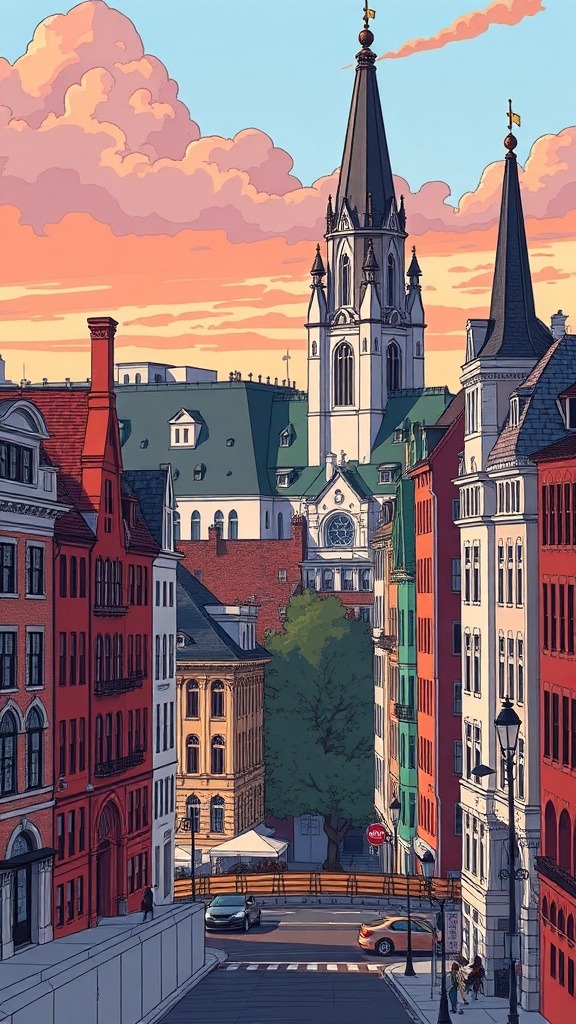
– Explore Academic and Cultural Sites: The university campus anchors the area with impressive Gothic-style buildings, while nearby cultural sites and private gardens offer tucked-away art and landscape experiences.
Dining and Nightlife
Georgetown’s dining scene ranges from upscale eateries to casual cafes and bakeries. Trend-focused restaurants coexist with long-standing neighborhood staples, so you can plan anything from a refined meal to a relaxed brunch.
After dark, cocktail bars and wine lounges invite lingering conversations, and several spots offer riverside views for a memorable evening.
Parks and Green Spaces
Beyond the canal and waterfront, small parks and tree-lined streets provide pleasant urban greenery. Public gardens attached to cultural institutions are especially good places to find quiet, well-maintained landscapes that contrast with the area’s bustling commercial strips.
Getting Around
Georgetown is highly walkable; many visitors prefer exploring on foot to discover hidden alleys and historic corners. Drive times can be slow and parking limited, so plan for paid parking or use nearby transit options. Biking is also popular, with both dedicated lanes and shared routes connecting to other parts of the city. Rideshares and local transit connections make it straightforward to reach the neighborhood even without a car.
Real Estate and Living
Architecture ranges from Federal-style rowhouses to renovated brick townhomes and luxury condos. The neighborhood’s reputation and location near downtown make it desirable for people who value walkability, schools, and a mix of urban conveniences. For buyers and renters, expect a premium for historic charm and proximity to the riverfront.
Tips for Visitors
– Start early for quieter streets and easier parking.
– Wear comfortable shoes — cobblestones and uneven sidewalks are part of the charm.
– Check vendor and museum hours before you go, as some smaller sites close on certain days.
– Book popular restaurants in advance, especially for weekend evenings.
Why It Endures
Georgetown’s appeal comes from a balance of history and modern urban life: preserved architecture and leafy lanes sit alongside dynamic dining and shopping. The neighborhood’s compact layout invites exploration, and its mix of activities makes it suitable for a wide range of interests — from architectural appreciation and academic events to leisurely waterfront afternoons.
Whether you’re staying nearby or planning a short visit, Georgetown offers a distinctive neighborhood experience that feels both established and alive with contemporary energy.
Leave a Reply