White House Visitor Guide: What to Expect, What to See, and How to Plan
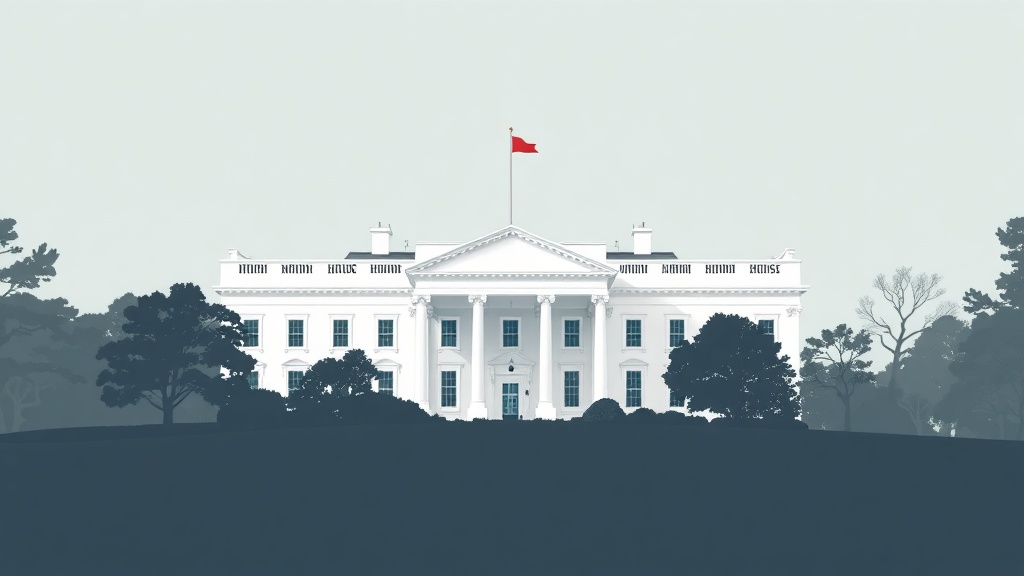
The White House remains one of the most visited and photographed symbols of American government. Whether you’re drawn by historic rooms, the First Family’s garden, or annual public events, planning ahead makes the experience smoother and more meaningful. This guide covers practical tips, highlights to prioritize, and how the White House balances public access with its role as a working residence and executive office.
How to request a tour
Public tours are arranged through members of Congress for residents and through your country’s embassy for international visitors. Requests should be submitted well before your intended visit because availability is limited and demand is high.
Expect a security screening process that includes background checks; you will need to bring government-issued photo identification and comply with any instructions provided by the office handling your request.
Security and entry rules
Security is tight to protect both the people who live and work in the building and the visiting public. Prohibited items often include large bags, weapons, sharp objects, and items that could interfere with screening equipment. Electronic device policies can change, so verify current rules before arrival.
Dress comfortably and be prepared for a brief outdoor wait if there are queues — seasonal weather and scheduled events can affect timing.
Must-see rooms and features
– The East Room: The largest room in the White House, often used for ceremonies and receptions. Its chandeliers and historic portraits are highlights.
– The State Dining Room: A study in formal entertaining, this room showcases fine china, ornate woodwork, and decorative arts.
– The Green, Blue, and Red Rooms: Each offers distinct period decorating styles and important presidential artifacts.
– The White House Garden and South Lawn: Visible from public areas and often featured during official events; the kitchen garden remains a popular story about presidential emphasis on fresh, local food.
– The White House art collection: Rotating works and permanent pieces reflect American history and culture; docent-led insights or official materials help bring context to what you’re seeing.
Annual programs and public events
The White House hosts recurring public programs that draw broad interest, from seasonal holiday displays to family-focused events. Many of these traditions include educational components and community outreach. Check official announcements for schedules and ticketing procedures.
Accessibility and family tips
Accessibility accommodations are available, and staff can provide guidance for visitors with mobility needs. Families should note that strollers may be subject to security checks and space constraints. For longer visits, plan visits to nearby museums and memorials that offer deeper dives into American history and government.
Digital resources and virtual tours
For those who cannot visit in person, the White House offers virtual tours and educational materials that provide high-resolution images, room-by-room descriptions, and historical timelines. These digital tools are excellent for educators, students, and anyone seeking a closer look without travel.
Preservation and working operations
Balancing public access with daily operations and preservation efforts is an ongoing priority.
Conservation teams work constantly to maintain the historic fabric of the building while incorporating necessary modern upgrades and sustainability measures.
The result is a residence and office that tells a layered story: of national leadership, domestic life, and evolving cultural values.
Final tips for visitors
– Submit tour requests early and confirm all instructions from the office that arranged your visit.
– Review security guidelines and bring proper identification.
– Allow time to visit nearby historic sites and museums for a fuller civic experience.
– Take advantage of official digital resources for background reading before your visit.
A White House visit offers a rare glimpse into the intersection of history, art, and contemporary governance. With preparation and awareness of practical details, that glimpse becomes an informative and memorable experience.
Leave a Reply