The White House is both a working residence and a global symbol of national leadership, blending public ceremony with private life. Visitors encounter a mix of architectural elegance, curated gardens, and rooms steeped in history — while the complex also functions as a high-security government workplace. Whether you’re planning a visit or simply curious about how the house operates, understanding its layout, public programming, and visitor rules makes the experience more rewarding.
Architecture and iconic spaces
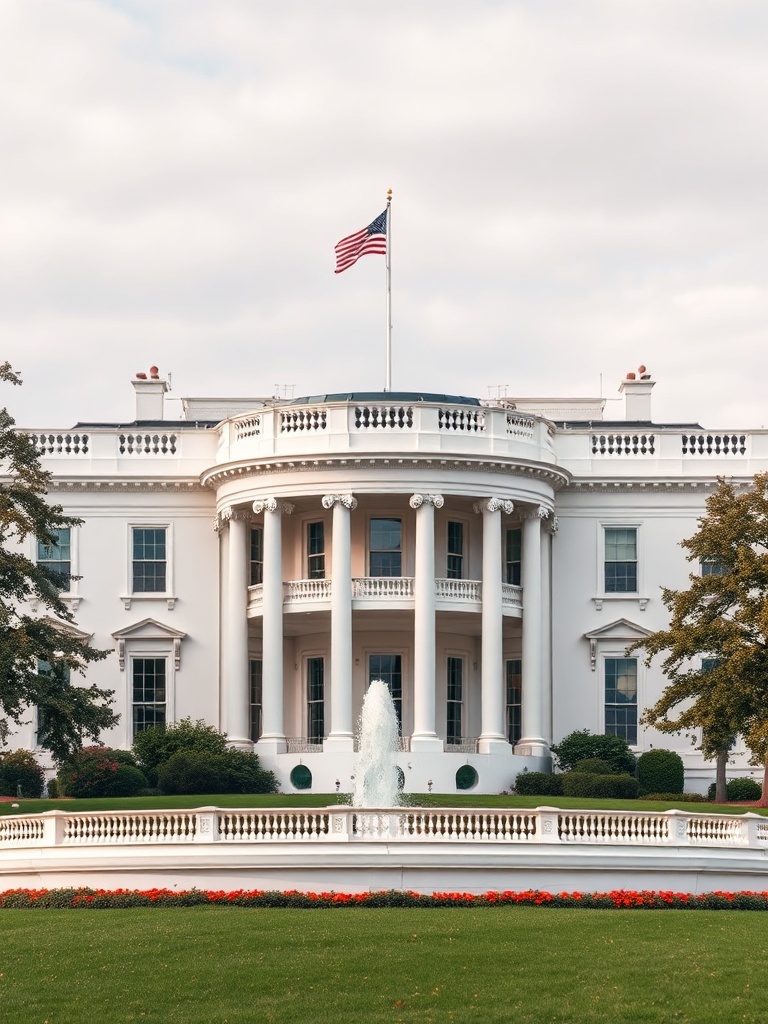
Designed in a neoclassical style, the residence combines formal rooms used for diplomacy with intimate family spaces. Notable interiors include the Oval Office, the East Room known for concerts and receptions, and the State Dining Room used for official dinners. The grounds feature cultivated spaces such as the Rose Garden and the South Lawn, both of which host public events and outdoor receptions.
The White House’s exterior façades and interior rooms have been renovated and redecorated periodically, reflecting changing tastes and preservation priorities while maintaining historic character.
Public access and tours
Public tours are available but limited. Requests for tours typically go through elected representatives for citizens or through diplomatic channels for international visitors. Security screenings are required for all visitors, and access to many rooms remains restricted for security or functional reasons. Some public programs — like outdoor family events, holiday open houses, or special exhibitions — open certain areas to larger audiences. When planning a visit, check official channels for the latest availability and booking procedures.
Visitor tips
– Check official sources before making plans, as schedules and access change with official events and security needs.
– Tour requests often require advance submission and government-issued identification at the time of the visit.
– Expect security screening; large bags, certain electronics, and items deemed hazardous are typically prohibited.
– Dress comfortably but respectfully; many events are outdoors and may require walking on lawns or paved paths.
– Photography rules vary by location; interior photography may be restricted in some rooms.
Public programs and ceremonies
The White House hosts a range of public-facing activities that highlight culture and civic life.
State dinners welcome visiting leaders, while holiday programming features public decorations and family-oriented events. Educational initiatives, exhibits curated by preservation organizations, and occasional performances also provide ways for people to engage with the site even if they cannot tour the interior.
Education and preservation
Several nonprofit and governmental organizations work to preserve the historic fabric of the residence and to provide educational resources. These organizations produce virtual tours, detailed room histories, and archival images that are valuable for researchers, students, and anyone interested in decorative arts and preservation practice. Digital resources make much of the history accessible to the public regardless of travel constraints.
Practical considerations
Security and diplomatic functions mean access can be unpredictable. If you’re planning a trip specifically to see the White House, build flexibility into your schedule and have alternate plans for nearby museums, memorials, and civic sites. Public transit and authorized tour operators are common ways to reach the area, and nearby visitor centers and historical associations provide context before or after a visit.
The White House remains a living institution — a place where architecture, ceremony, and governance intersect. For up-to-date visitor information, program schedules, and official guidance, consult the official White House channels and affiliated historical organizations.
Leave a Reply