Washington Wizards: Rebuild, Identity, and What Fans Should Watch
The Washington Wizards are in a phase that blends rebuilding with a push for identity. After past stretches led by high-scoring stars, the franchise has shifted attention toward cultivating young talent, modernizing the roster, and creating a style of play that fits today’s faster, more perimeter-oriented NBA.
Team identity and playing style
The current approach favors versatility: coaches and front-office leaders are prioritizing players who can switch on defense, handle the ball, and space the floor with reliable shooting. Expect a mix of small-ball lineups and bigger lineups that emphasize rim protection while keeping pace on transition.
Analytics-driven roster construction is guiding choices—three-point efficiency, defensive metrics, and lineup synergy matter as much as raw scoring.
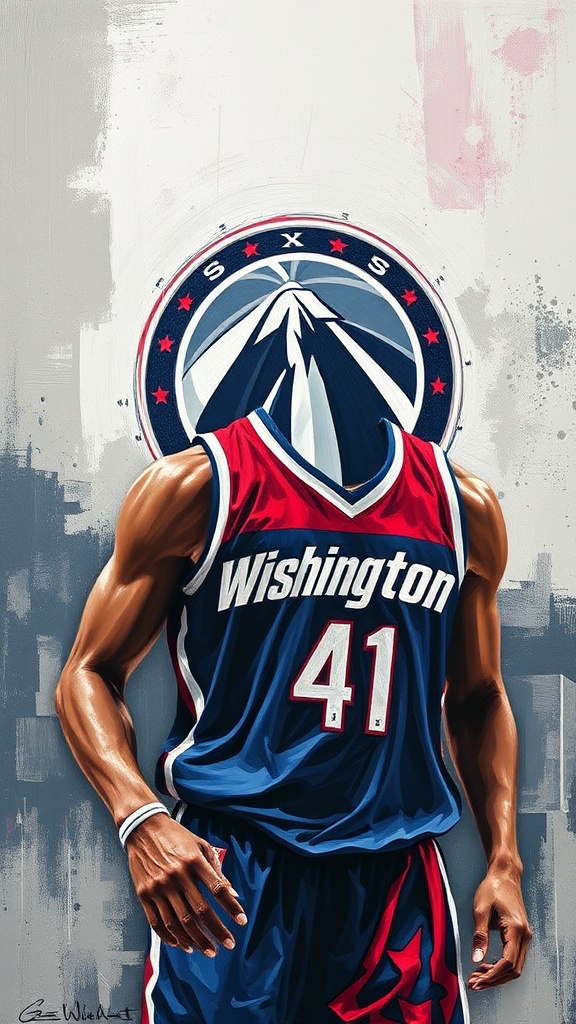
Player development and draft strategy
Development is central. Rather than chasing expensive veteran stopgaps, the team has leaned into drafting and developing players who can grow within a defined system.
That means investing in skill coaches, two-way playing time for promising prospects, and using the G League and training camp to accelerate younger players’ readiness. Draft capital and smart trades remain the currency for long-term flexibility—watch how the front office balances patience and opportunity to maximize each pick or asset.
Coaching and adjustments
Coaching philosophies across the league are evolving, and the Wizards are adjusting accordingly. Expect emphasis on situational defense (switch-heavy schemes, aggressive help defense), quicker offensive reads, and diversified play-calling that leverages pick-and-rolls, off-ball movement, and catch-and-shoot opportunities.
In-game adjustments—rotations, matchup exploitation, and pace control—are key to competing against veteran Eastern Conference teams.
Fan experience at Capital One Arena
Capital One Arena remains the hub for fans in the nation’s capital. For attendees, practical tips improve the experience: arrive early to avoid crowds and traffic, use public transit where possible (the arena is well-served by subway and bus options), and check team apps or social channels for last-minute promotions and upgrade opportunities.
Concessions and in-arena activations continue to evolve—keep an eye out for theme nights, community nights, and family-friendly promotions that add value beyond the game itself.
Community and outreach
The franchise maintains deep community ties, from youth basketball programs to education and neighborhood initiatives. These efforts not only support local communities but also build long-term fan engagement.
Fans who want a closer connection can follow community events, youth clinics, and charity drives promoted by the team and partner organizations.
Rivalries and season narratives
Division and conference matchups provide consistent storylines.
Games against Southeast Division opponents and regional rivals carry extra weight for playoff positioning and local bragging rights.
Expect marquee matchups to create ticket demand and lively national broadcasts.
How to follow and stay informed
To keep up with roster moves, injury updates, and game analysis, follow official team channels, trusted beat reporters, and reputable sports outlets. Podcasts, local radio shows, and postgame breakdowns offer deeper tactical insights for fans who enjoy Xs and Os. Fantasy players should monitor rotation changes and minutes trends to make smarter roster decisions.
For fans seeking a blend of long-term potential and the excitement of watching young players grow, this period offers a compelling mix: a team rebuilding with purpose, a dynamic game-day atmosphere, and plenty of storylines to follow as the franchise works toward sustained competitiveness.
Leave a Reply