The White House remains one of the clearest symbols of American government, blending active governance, public ceremony, and historic preservation. For visitors and observers alike, understanding how the White House functions—architecturally, ceremonially, and as a public space—adds depth to any visit or civic conversation.
What the White House comprises
The White House complex includes the Executive Residence, West Wing, East Wing, and adjacent support buildings. The State Rooms on the ground floor and state floor host receptions, official dinners, and public-facing ceremonies. The private residence occupies the upper floors, while the West Wing houses the Oval Office and senior staff offices. Public-facing spaces like the East Room, Blue Room, and Red Room showcase a curated collection of American art, furniture, and historic artifacts intended to reflect national heritage.
Public access and tours
Public tours of the White House are available but are arranged far in advance and subject to security screening. For U.S. residents, tour requests are typically submitted through your congressional representative or senator. International visitors usually request tours through their home embassy in Washington. Although tours are free, space is limited and demand is high, so planning ahead and checking current procedures is essential. Expect metal-detector screening, ID verification, and restrictions on bags and certain items. Photography policies vary by room and occasion, so follow instructions from staff and security.
Events and ceremonies
The White House hosts a range of events that draw public attention: official state dinners, award ceremonies, press briefings, and seasonal events like garden celebrations.
The Rose Garden and South Lawn are key outdoor venues for press events and formal welcomes.
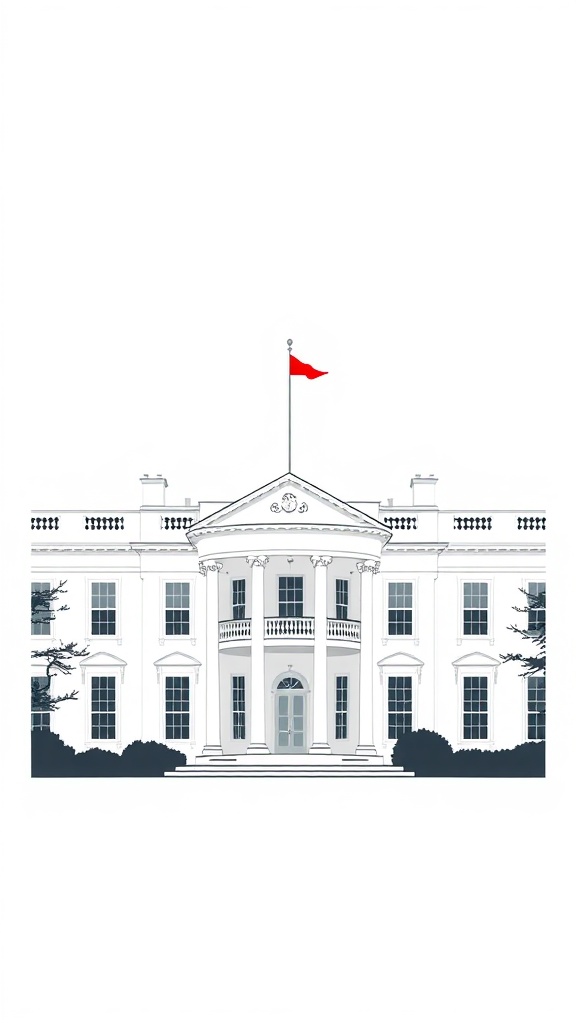
These public ceremonies are carefully staged to serve both protocol and public engagement, balancing security considerations with media access.
Preservation and modernization
Caring for a working residence that is also a historic landmark requires ongoing attention.
A dedicated curatorial team manages the historic collection, while preservation specialists oversee structural and conservation needs. Modernization efforts focus on improving energy efficiency, upgrading security and communications systems, and preserving historic fabric.
Many upgrades are designed to be reversible and sensitive to the building’s architectural integrity.
Tips for visitors
– Request tours early through the proper channels and confirm all required documentation.
– Arrive early and plan for security screening.
– Dress comfortably and respectfully; some rooms have carpeting and low lighting to protect furnishings.
– Respect photography rules and barriers in place to protect artifacts.
– Combine a White House visit with nearby cultural sites to maximize a trip to the area.
Why it matters
Beyond its role as a residence and workplace for national leaders, the White House functions as a living symbol of civic life. Its public rooms and curated collections provide a visual narrative of the nation’s history, while its ceremonies and communications shape how leadership is presented domestically and abroad. Whether seen from Lafayette Square, the Ellipse, or on a scheduled tour, the White House continues to invite public interest and civic reflection.
Leave a Reply