Planning a White House tour can turn a routine sightseeing day into a memorable, historically rich experience. Public tours provide a close-up look at iconic rooms and architecture, while also illustrating how security and access balance openness with the needs of a working executive residence.
How to request a tour
Public tours are free but require advance planning.
U.S. citizens typically request tours through the office of a member of Congress.
International visitors usually coordinate through their country’s embassy in Washington. Requests are processed in advance and are subject to availability and security vetting, so plan well ahead of your intended visit and have flexible dates ready.
Security and screening
Expect thorough security screening similar to what you encounter at airports. Arrive early to allow time for clearance and to avoid missing your scheduled entry slot. Large bags, certain electronic devices, and other restricted items are not allowed; check the official visitor guidance before you go so you can pack accordingly. Carrying a valid government-issued photo ID is required for U.S. visitors, and embassies can advise on requirements for foreign nationals.
What to expect on the tour
Public tours usually cover representative spaces that showcase the White House’s history, architecture, and art collections. While some highly sensitive areas remain off-limits—such as private offices and certain ceremonial rooms—visitors gain insight into the public-facing traditions of the executive residence.
Guided tours provide historical context, highlight key decorative elements, and often explain the building’s evolution over time.
Visitor Center and alternative options
For those who cannot secure a public tour, the White House Visitor Center offers an excellent alternative. Exhibits, interactive displays, and multimedia presentations bring the story of the White House to life and are accessible to the general public. Many visitors also opt for virtual tours and online resources that recreate interior spaces with high-resolution imagery and historical commentary—useful if travel arrangements change or if you prefer to explore remotely.
Accessibility and family tips
Accessible accommodations are provided; notify the booking office of any mobility or assistance needs when arranging your tour. For families, consider younger visitors’ attention spans: plan a shorter visit and highlight a few key rooms to keep the experience engaging. Photography is permitted in certain areas but may be restricted in others—follow staff instructions to avoid causing delays or losing access.
Smart planning tips
– Request your tour as early as possible through the proper channels.
– Travel light: minimize luggage and prohibited items to speed up security screening.
– Bring ID and any required documentation provided by your congressional office or embassy.
– Check for last-minute changes or closures before departing; official resources update availability and security notices.
– If you can’t tour inside, explore nearby landmarks and museums that complement the White House experience.
A visit to the White House combines architectural splendor, living history, and civic symbolism.
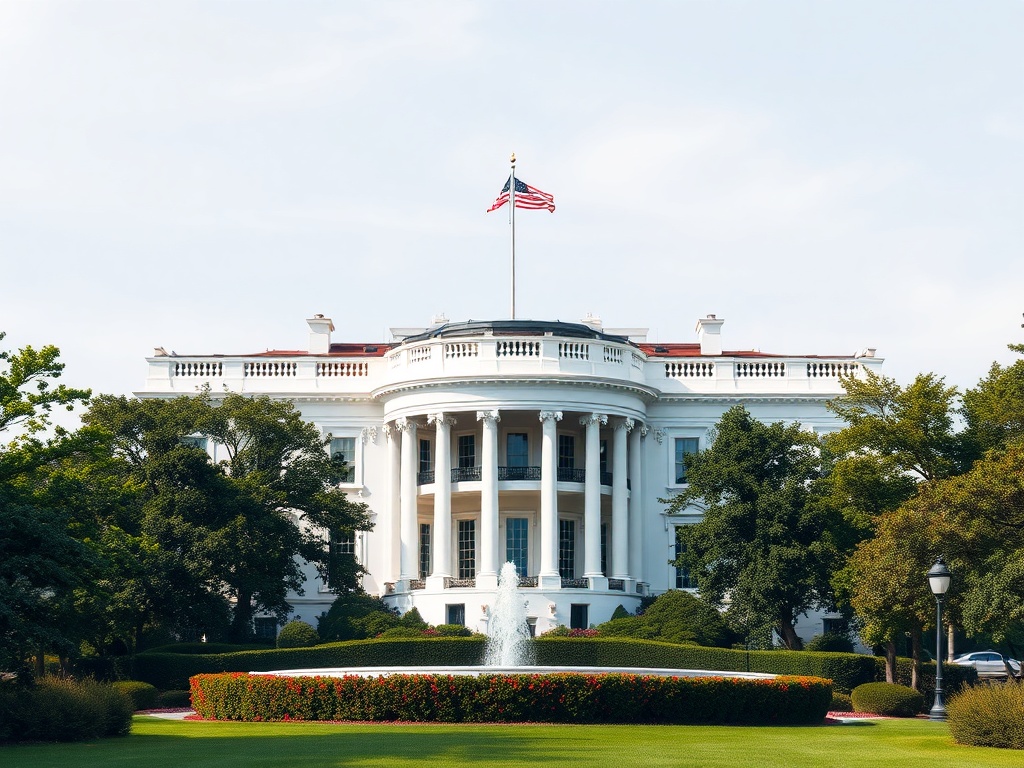
Whether you step inside on a guided tour, explore the Visitor Center, or take a virtual tour from afar, the experience offers a tangible connection to the nation’s civic life and cultural heritage.
Leave a Reply