How to Maximize the George Washington University Advantage: Internships, Research, and Campus Life
George Washington University sits at the intersection of higher education and real-world opportunity.
Its location in the heart of the nation’s capital gives students unparalleled access to government agencies, international organizations, think tanks, cultural institutions, and a dense network of private-sector partners.
That proximity creates distinct advantages for academics, internships, and career development—if students know how to leverage them.
Capitalize on proximity to policy and industry
Being steps away from federal departments, embassies, and major nonprofits makes internships both plentiful and highly relevant. Students who begin exploring opportunities early and use GW’s career services tend to find placements that complement classroom learning.
Look beyond traditional internship listings: attend guest lectures, career fairs, and networking events hosted by departments like the Elliott School of International Affairs, the School of Business, and the Law School. Faculty often have industry contacts and can recommend research assistantships that lead to professional introductions.
Make experiential learning a priority
Classroom learning at GW is frequently paired with hands-on experiences. Research centers across campus offer opportunities for undergraduates and graduate students to collaborate on projects ranging from public health interventions to cybersecurity policy. The university’s hospital and health sciences programs provide clinical and community-based placements that enrich health-focused curricula. For students interested in entrepreneurship, on-campus incubators and innovation programs support prototype development and pitch competitions.
Tap into alumni and institutional networks
GW’s alumni base is active in government, media, law, and international affairs. Building relationships with alumni through mentorship programs, informational interviews, and alumni-hosted events can fast-track introductions to hiring managers and funders. The Career Center provides targeted resources—resume reviews, mock interviews, and job-market preparation—tailored to fields where GW students commonly pursue careers.
Balance academics with campus life
Academic rigor at GW is balanced by a lively campus culture.
Student organizations span politics, arts, service, and business, offering leadership experience that employers value. Living in Foggy Bottom or nearby neighborhoods puts students within walking distance of theaters, museums, and the waterfront—resources that enrich both personal life and professional learning. For off-campus housing, early planning and engagement with university housing resources reduce stress and help students find a good fit.
Prioritize research and publication
Students seeking academic or policy careers should pursue faculty-led research and look for chances to present work at conferences or publish in student journals. Participating in multi-disciplinary projects not only builds a resume but also demonstrates the ability to work across sectors—a key skill in policy and innovation-focused roles.
Practical steps to get started
– Start early: schedule meetings with academic advisors and the Career Center as soon as possible.
– Map goals: identify 2–3 target organizations or sectors and track application deadlines and networking events.
– Use campus resources: apply for research assistant roles, fellowships, or internships posted through departmental newsletters.
– Cultivate relationships: reach out to faculty and alumni for informational interviews; follow up promptly and professionally.
– Build portfolio evidence: document projects, policy memos, research abstracts, or prototypes that show impact.
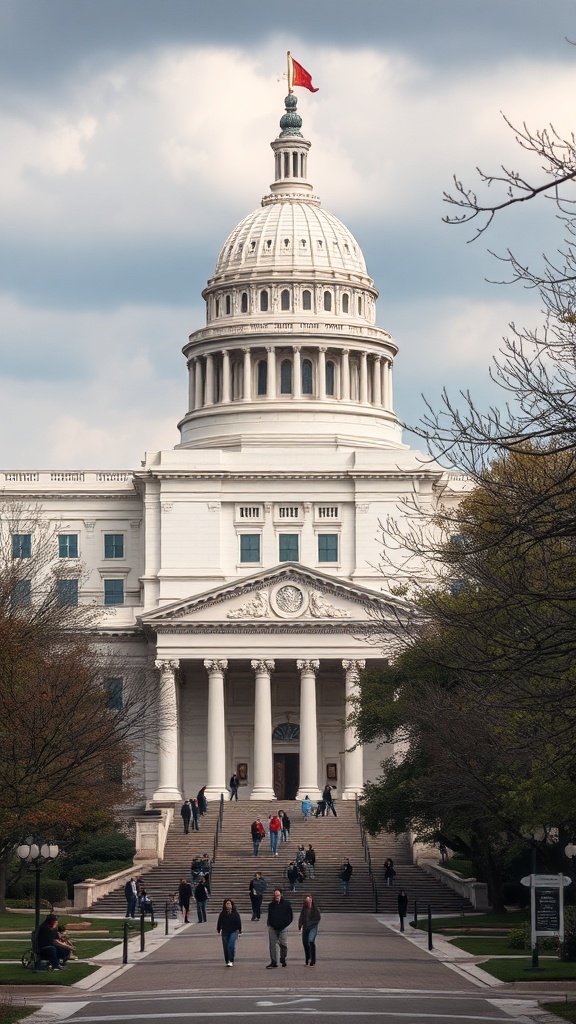
George Washington University offers a unique blend of academic strength and strategic location. Students who approach their time on campus with a plan—one that integrates internships, research, and active networking—can turn that combination into meaningful career momentum and lifelong professional connections.
Leave a Reply