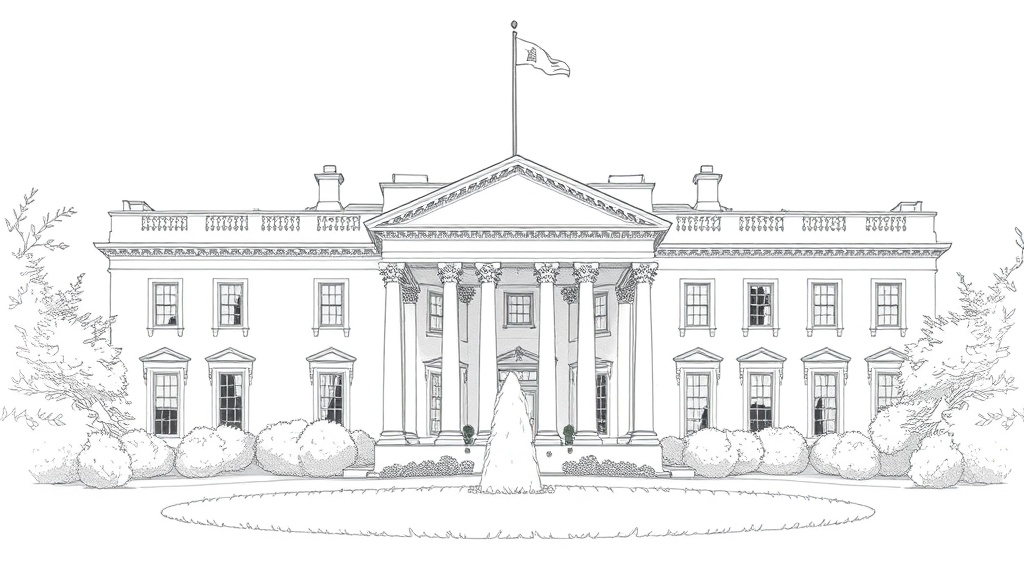
The White House remains one of the most recognizable symbols of American government and public life.
Whether you’re planning a visit, following daily briefings, or curious about the building’s architecture and public programs, there are several ways to engage with this living historic site.
Visiting the White House: what to expect
Public tours are available but require advance planning. U.S. residents typically request tours through their Member of Congress; international visitors often request through their embassy.
Tours are free, subject to availability, and guided by staff who highlight the public rooms, historic art, and ceremonial spaces. Expect security screening and identification checks on arrival; some items are prohibited, so check official guidance before you go.
Accessibility accommodations are provided, but it’s wise to indicate needs when requesting a tour.
Rooms and gardens open to the public
Guided tours generally include access to several state rooms used for official receptions and ceremonies, such as the East Room, State Dining Room, and the Cross Hall. The Oval Office and private family quarters are not part of standard public tours. Seasonal events often showcase the South Lawn or the White House gardens — these are highlighted through official announcements and occasional public programming.
Historic preservation and sustainability
The White House is both a working office and a historic home, requiring ongoing preservation. Recent initiatives focus on energy efficiency, improved climate control for historic rooms, and sustainable landscaping to support pollinators and reduce water use.
Stewardship efforts balance modern operational needs with maintaining the integrity of historic furnishings, art collections, and architectural details.
Public engagement and media access
Press briefings and official announcements are regularly streamed and archived on official channels, making it easy to follow day-to-day activities even from afar. The White House also uses social media and an official website to share news, event information, and high-resolution images of public rooms and state events.
For deeper context, the White House Historical Association and related museums provide curated exhibits and publications that explore the building’s evolving role.
Art, design, and temporary exhibits
The White House collection includes portraits, decorative arts, and historically significant objects. Curators rotate exhibitions that reflect national cultural themes and commemorate important milestones. Special installations and holiday displays are often highlighted through multimedia tours and public photo releases.
Practical tips for visitors
– Plan months ahead when possible; popular dates fill quickly and last-minute entry is limited.
– Confirm the visitor screening and ID requirements before traveling; expect to undergo security checks.
– Dress comfortably; tours involve standing and walking through historic rooms.
– Respect all photography rules and staff instructions — areas open for photos can change.
– Use official channels for the most reliable information on tours and events.
Whether your interest is architectural, civic, or cultural, the White House offers multiple entry points for engagement. For the latest visitor procedures, tour availability, and official announcements, consult the official White House resources and your congressional office before making plans.
Leave a Reply