The Washington Capitals are navigating a familiar mix of star power and transition, balancing a legendary scorer’s legacy with the need to replenish depth, modernize systems, and keep fans engaged at Capital One Arena. That dynamic makes the Capitals a compelling case study in how an established franchise adapts to changing league trends while preserving the identity that brought them success.
A franchise anchored by an all-time goal leader gives the club instant attention and expectation. That superstar presence still draws crowds, elevates the power-play focus, and creates leadership standards in the locker room. Around that cornerstone, the Capitals are working to build a supporting cast that can compete in a faster, more positionally fluid NHL. Speed, tempo control, and transition defense are now as critical as physical play and heavy forechecking, and the organization’s roster decisions reflect that shift.
Player development and the prospect pipeline have become central to long-term sustainability. Scouting emphasis has broadened beyond size and toughness to include skating mechanics, puck skills, and hockey IQ. The Capitals’ development staff is using individualized training plans to accelerate prospects who can help on the wings and in the middle six forward group.
The goal is to create a balanced roster that blends veteran savvy with youthful energy, allowing the team to roll four effective lines rather than relying solely on a top trio.
Special teams remain a focal point. Power play production is often the difference in tight games, and the Capitals have experimented with zone entries, overloaded offensive sets, and quick puck movement to create higher-quality chances. On the penalty kill, aggressive pressure and active sticks have replaced passive hex formations; the emphasis is on limiting cross-ice seams and turning penalties into transition chances.
Goaltending and cap management are two areas that frequently influence roster construction. Finding consistent netminding while juggling salary-cap realities requires smart asset allocation — whether through trades, free-agent value signings, or relying on cost-controlled homegrown talent. The front office’s ability to pair a dependable starter with a capable backup is a recurring theme for teams pursuing deep playoff runs.
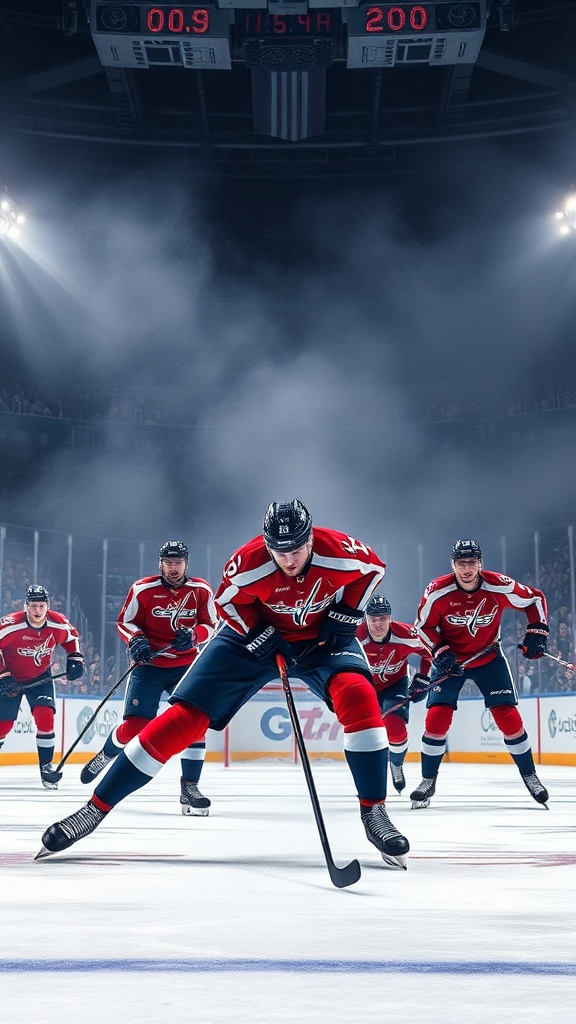
Coaching strategy has leaned into adaptability. Systems now prioritize high-danger chance suppression, quick zone exits, and sustained offensive zone possession.
Coaches also focus on matchups and in-game adjustments, using video and data to neutralize opposing strengths.
That tactical flexibility is essential when long regular-season stretches and playoff hockey demand varied approaches.
The Capitals’ rivalry culture and fanbase continue to be defining elements. Games at Capital One Arena remain intense affairs, drawing fans who know the team’s history and expect competitiveness every night. Community engagement initiatives and local partnerships help maintain strong ties between the team and the broader Washington region, fueling support through highs and lows.
Looking ahead, the Capitals’ pathway to sustained contention hinges on a few clear pillars: integrating elite finishing talent around the franchise star, tightening defensive structure, finding reliable goaltending, and maintaining cap flexibility to make opportunistic moves. If the organization successfully marries veteran leadership with emerging talent and modern coaching methods, it can remain a perennial presence in the playoff conversation.
For followers and casual observers alike, the Capitals offer a blend of iconic moments and evolving strategy. That mix makes every season interesting: you’re watching a team honor a storied past while actively reshaping itself for the present style of hockey.
Leave a Reply