Washington DC combines monumental history, world-class museums, lively neighborhoods, and unexpectedly green public spaces into a compact, walkable destination. Whether you’re making a quick stop or planning a longer visit, a little local know-how makes it easier to see the highlights and discover the city’s quieter corners.
What to see
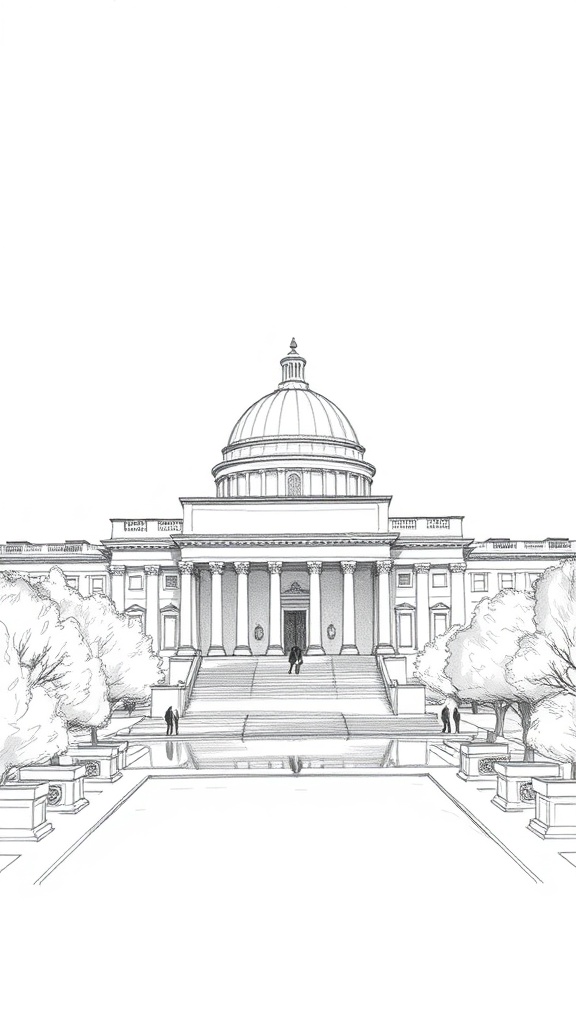
– The National Mall is the city’s spine: iconic memorials and open lawns line the stretch between the Capitol and the Washington Monument. Plan to arrive early to avoid crowds and see the memorials in softer light.
– Smithsonian museums cluster along the Mall and offer free admission. From natural history to aviation to cultural collections, they reward patient exploration; pick two or three that match your interests rather than trying to cover everything.
– The National Gallery of Art and its sculpture garden provide both classical and contemporary art experiences just off the Mall.
– The Tidal Basin’s cherry trees are an emblematic sight during bloom season; visiting at sunrise or after sunset can avoid the heaviest crowds.
– Explore beyond the tourist core: the historic rowhouses and waterfront in Georgetown, the jazz clubs and restaurants along U Street, the food stalls and weekend market at Eastern Market, and the dining and nightlife in Shaw and Penn Quarter.
Getting around
– The city is compact and best experienced on foot in many neighborhoods. Wear comfortable shoes; distances between museums and memorials add up.
– Public transit offers wide coverage. A reloadable transit card or contactless payment methods work on rail and buses. Check planned service changes before traveling—weekend maintenance can affect routes.
– Bike share stations are plentiful and a scenic option for shorter hops, with dedicated lanes on many major corridors. Ride-hailing and scooters are widely available but follow local rules and use bike lanes where appropriate.
– Driving and parking in central areas can be slow and expensive; use park-and-ride options or parking apps if driving is unavoidable.
Practical tips
– Security screenings are common at major museums and attractions.
Travel light and bring only essentials to move through lines faster.
– Many federal institutions are free, but a few popular museums and special exhibitions may require timed-entry passes—book ahead for guaranteed access.
– Weather can shift quickly between seasons. Layer clothing, carry a light rain jacket, and keep sunscreen and water handy during warm spells.
– Peak tourist crowds cluster midday at the most famous memorials; early mornings and late afternoons give a quieter experience and better photo light.
– For dining, reservations are recommended for popular restaurants, especially on weekends.
Food options range from casual markets and food halls to high-end dining in hotel neighborhoods.
Cultural and civic experiences
– Free walking tours run by the National Park Service and independent guides offer deep dives into history, architecture, and neighborhoods—check schedules and meeting points in advance.
– Catching a performance at one of the city’s theaters or a live music set in a smaller venue can reveal a local side of DC that contrasts with the city’s political image.
Make the most of your time by combining a couple of must-see landmarks with slower, neighborhood-focused discovery. With planning and a flexible pace, the city reveals both its monumental story and the vibrant everyday culture that gives it life.
Leave a Reply