Georgetown remains one of the most magnetic neighborhoods for visitors and locals who want an elegant blend of history, shopping, and scenic waterfront life. With its cobblestone streets, Federal-style rowhouses, and vibrant retail corridors, it’s a compact area that rewards slow exploration.
What to see and do
– Stroll the C&O Canal towpath for a peaceful escape from city noise. The towpath runs alongside historic locks and offers a riverside perspective on Georgetown’s past and present.
– Wander M Street and Wisconsin Avenue for a mix of flagship retailers, independent boutiques, and specialty shops. Expect designer labels, artisanal goods, and several well-curated home-decor and antique stores.
– Visit the waterfront park for sweeping river views and a lively dining scene. The nearby promenade is a favorite spot for sunset photos and people-watching.
– Explore cultural anchors: a renowned university campus with collegiate Gothic architecture, intimate museums and historic houses with period gardens, and small galleries tucked along quieter blocks.
– Find literary treasures at local bookshops and savor classic neighborhood institutions—coffee houses, bakeries, and taverns that have hosted generations of residents and visitors.
Architecture and history
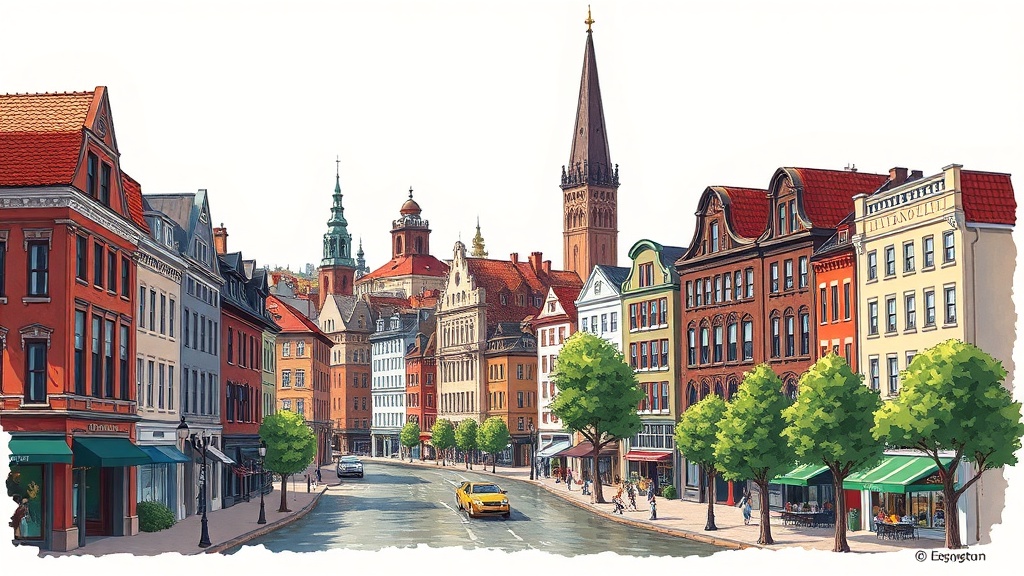
Georgetown’s historic fabric is a major draw. Narrow alleys, preserved brick facades, and period rowhouses create a cohesive streetscape. Several landmark sites offer windows into different eras—there are historic homes open to visitors, small-scale museums chronicling local life, and public gardens maintained by preservation groups. Interpretation plaques, guided walking tours, and audio tours make it easy to connect buildings and stories to the neighborhood’s evolution.
Dining and nightlife
Dining in Georgetown ranges from relaxed cafés and wine bars to refined waterfront restaurants serving seafood and contemporary cuisine. Brunch crowds are common on weekend afternoons, while evenings bring a mix of intimate cocktail bars and family-friendly eateries. Many restaurants offer outdoor seating that captures the neighborhood’s lively sidewalk culture.
Practical tips for visitors
– Parking can be limited; consider arriving by rideshare, local bus, or bike. Georgetown does not have an in-neighborhood heavy-rail station, but several transit options and short bus connections link to the wider public transport network.
– Wear comfortable shoes—cobbles and hilly blocks are charming but can be uneven.
– Weekends are busiest; for a quieter experience, visit early weekday mornings or late afternoons.
– Check ahead for seasonal events, outdoor markets, and special exhibitions—these pop up frequently and can add a unique local flavor to a visit.
Real estate and living
Living in Georgetown combines urban convenience with a residential feel. Expect a mix of historic brownstones, townhouses, and a few low-rise condominium options.
Strict preservation guidelines help maintain the neighborhood’s character, which contributes to its desirability and correspondingly competitive housing market.
Why it matters
Georgetown’s appeal lies in its layered identity: a vibrant shopping and dining district, a living history museum of architecture, and a waterside refuge inside a major city. It’s a neighborhood that rewards curiosity—every corner offers a detail worth noticing, whether a hidden garden, a landmark doorway, or a cafe window bustling with conversation.
Leave a Reply