Inside the White House: Tradition, Access, and Modernization
The White House remains one of the most recognizable symbols of civic life, blending historic rooms and ceremonial traditions with ongoing efforts to stay relevant and accessible. For visitors, observers and anyone interested in how a living residence and working office adapts to modern needs, there are a few key themes that define the institution today: public access, preservation, sustainability, and technology.
Public access and visitor experience
Public tours of the White House are offered on select days and require advance planning. Visitors typically request tours through their member of Congress or, for international visitors, through an embassy.
Security screening is rigorous: expect ID checks, metal detection, and strict limits on items you can bring. Photography is allowed in some public rooms but restricted in others, and staff provide guidance on where it’s permitted.
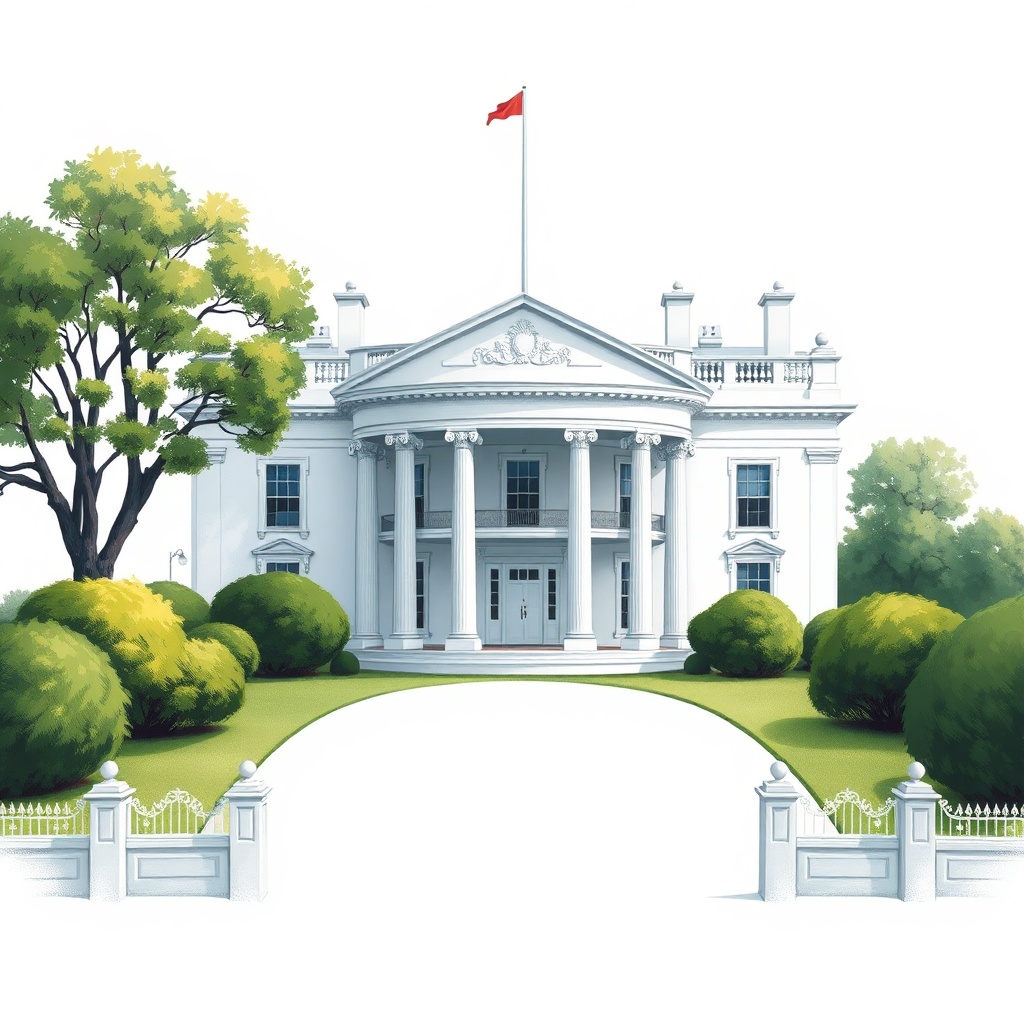
Beyond standard tours, the White House hosts public programs and seasonal events designed to engage broader audiences.
These include family-friendly activities, educational outreach, and cultural events that reflect the nation’s diversity. Planning ahead, checking eligibility for tours, and arriving prepared for security checks will make the experience smoother.
Preservation of architecture and art
The White House is both a historic landmark and a functioning office and residence, so preservation is continuous. Curators and conservators manage an extensive collection of fine and decorative arts, while maintenance teams balance historic authenticity with the practical requirements of a modern workplace.
Public rooms like the East Room, State Dining Room, and the Oval Office are maintained to reflect ceremonial uses and historical significance, and many furnishings are part of a permanent collection entrusted to caretakers.
Sustainability and the White House grounds
Landscaping and food initiatives on the White House grounds often draw interest. Kitchen gardens and pollinator-friendly plantings support a focus on local food and environmental stewardship. Produce grown on the grounds has been used in official meals and donated to community food programs, highlighting a farm-to-table approach and community engagement.
Energy efficiency and sustainable practices are part of ongoing efforts to reduce environmental impact while preserving historic fabric.
This balance requires careful planning so that installations and upgrades respect the building’s architectural integrity.
Technology, security, and modernization
Modern communication, security, and building systems are integrated discreetly to support daily operations. Cybersecurity and secure communications are essential for a functioning executive office, while physical security measures protect both residents and visitors.
At the same time, public-facing technology—from virtual tours to social media engagement—expands public access and transparency, allowing people who cannot visit in person to experience parts of the White House remotely.
Planning a visit or following developments
If planning a visit, start by contacting the office that coordinates public tours in your region, prepare for security requirements, and review any guidance on accessibility and visitor services. For those following White House initiatives from afar, official channels and outreach programs offer reliable updates on programming, events, and opportunities for public engagement.
The White House continues to operate at the crossroads of tradition and change.
Its role as a ceremonial centerpiece, a private residence, and a working office requires constant attention to preservation, public access, and modernization—ensuring it remains meaningful and functional for the public it serves.
Leave a Reply