The White House represents a rare challenge: caring for a living museum that serves as both an official residence and a working seat of government. Balancing historic preservation with modern needs—sustainability, security, accessibility and technology—has become a continuous exercise in careful planning and creative design.
Preservation priorities start with the building fabric. Original plasterwork, historic woodwork and period finishes are treated as irreplaceable assets.
Conservation teams favor reversible interventions wherever possible, using minimally invasive techniques to stabilize materials and improve environmental controls without altering historic character. Environmental monitoring—tracking humidity, temperature and light exposure—helps conservators manage long-term risks to furnishings, textiles and artwork while ensuring the building remains comfortable for daily use.
At the same time, sustainability upgrades are woven into preservation plans. Energy-efficient lighting, discreet insulation improvements, and high-performance HVAC systems can be integrated so they don’t compromise historic appearances. Modern mechanical systems are often placed in secondary spaces or service cores to protect principal rooms. Where visible changes are needed, designers select materials and finishes that harmonize with historic interiors. These interventions reduce energy use and carbon footprint while extending the useful life of the building through improved climate control.
The landscape and gardens are another area where past and present intersect. The Rose Garden and the kitchen garden serve ceremonial, aesthetic and practical purposes. Gardens are managed with an eye toward native planting palettes, pollinator-friendly practices and water-wise irrigation to support biodiversity and resilience.
The White House kitchen’s emphasis on fresh, locally sourced ingredients underscores a broader cultural focus on sustainable food systems that resonates with public interest and programming.
Security and public access must coexist. Public tours, educational programs and outreach allow citizens to experience important rooms and learn about history and governance.
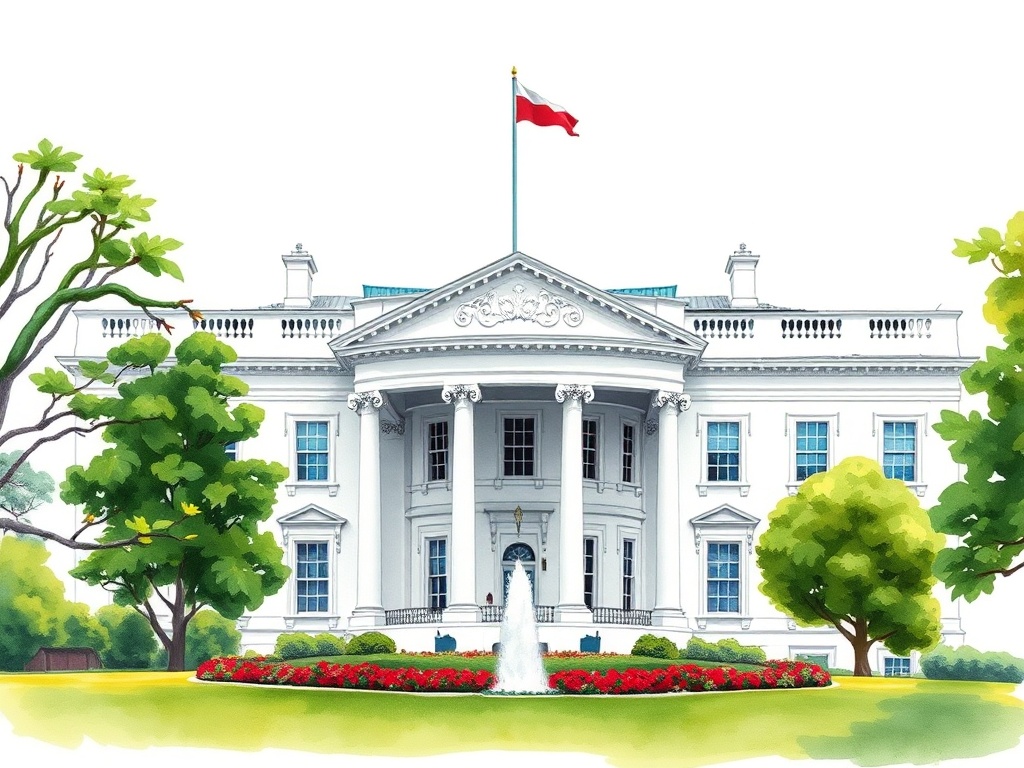
At the same time, security requirements evolve, requiring adaptable solutions that are sensitive to historic fabric. Designers and security teams work together to find technologies and barriers that are effective yet unobtrusive—screening elements that can be removed or concealed, and landscape treatments that provide protection without feeling fortress-like.
Technology plays a quietly transformative role. Digital documentation—high-resolution photography, 3D laser scanning and detailed archival records—supports preservation planning and disaster preparedness.
These tools enable precise condition assessments and informed decision-making about conservation priorities. Meanwhile, upgrades to communications and building controls enhance operational efficiency and occupant comfort, again prioritized so visible historic elements remain intact.
Partnerships with preservation organizations, academic institutions and craftsmen are key. Conservation is specialized work that benefits from shared research, training programs and access to skilled artisans familiar with traditional techniques. Public education—through tours, exhibitions and the White House Historical Association—helps translate technical preservation work into stories the public can appreciate, reinforcing the cultural value of maintaining such a landmark.
The ongoing care of a site that is simultaneously home, office and symbol requires a multilayered approach: respect for original materials, thoughtful integration of modern systems, landscape stewardship, attentive security planning and public engagement. The result is a living place that remains both functional and inspirational—a model for how historic buildings can be preserved and adapted to meet contemporary environmental, operational and social needs.
Leave a Reply