Washington DC has always been a city of monuments and museums, but its waterfronts and neighborhoods are where locals and visitors find the liveliest food scenes, outdoor activities, and unexpected pockets of culture. Whether you’re planning a short weekend or a longer visit, focusing on the city’s revitalized riverfronts and walkable districts reveals a side of DC that feels fresh, local, and endlessly discoverable.
Neighborhoods to Explore
– The Wharf and Southwest Waterfront: This rebuilt waterfront stretches along the Potomac with dining piers, outdoor concerts, boat access, and a mix of casual and fine‑dining options. Live music venues and seasonal markets make it a consistent draw for evening plans.
– Navy Yard and Yards Park: A former industrial zone turned dynamic district, Navy Yard offers waterfront green space, artisan eateries, and easy access to riverside promenades. Yards Park is perfect for relaxed afternoons on the lawn or by the water features.
– Georgetown Waterfront and Historic Streets: Georgetown balances a historic feel with upscale shopping and scenic canal paths. The Georgetown Waterfront Park is a pleasant place to stroll, and the area’s bakeries and boutiques reward aimless wandering.
– Anacostia and the Riverwalk Trail: On the opposite side of the river, Anacostia’s growing arts and dining scene and the extended Riverwalk Trail deliver quieter waterfront trails, community galleries, and a more residential perspective on the city.
Top Things to Do
– Walk the riverwalks: Many neighborhoods now connect by continuous waterfront paths that are ideal for cycling, running, or an easy riverside stroll with skyline views.
– Catch live music and outdoor events: Waterfront stages and neighborhood music venues regularly host bands, from intimate jazz nights to larger performances that draw crowds after sunset.
– Try a waterborne commute: Water taxis and seasonal boat services offer an enjoyable alternative to streets and rails, especially on warm days. They’re scenic and often faster for certain routes.
– Pair museums with a neighborhood meal: Many of the major free museums cluster near the National Mall, but venturing to nearby neighborhoods for dining gives a fuller, local experience.
Practical Tips
– Use a reloadable smart card for transit and download transit apps to check Metro and bus arrivals in real time; this saves time and simplifies transfers.
– Consider biking — dedicated lanes and bike-share stations make two‑wheeled trips efficient. Many waterfront paths are bike-friendly and link to major neighborhoods.
– Book popular restaurants and concert tickets in advance, especially on weekends and around public holidays or festival weekends.
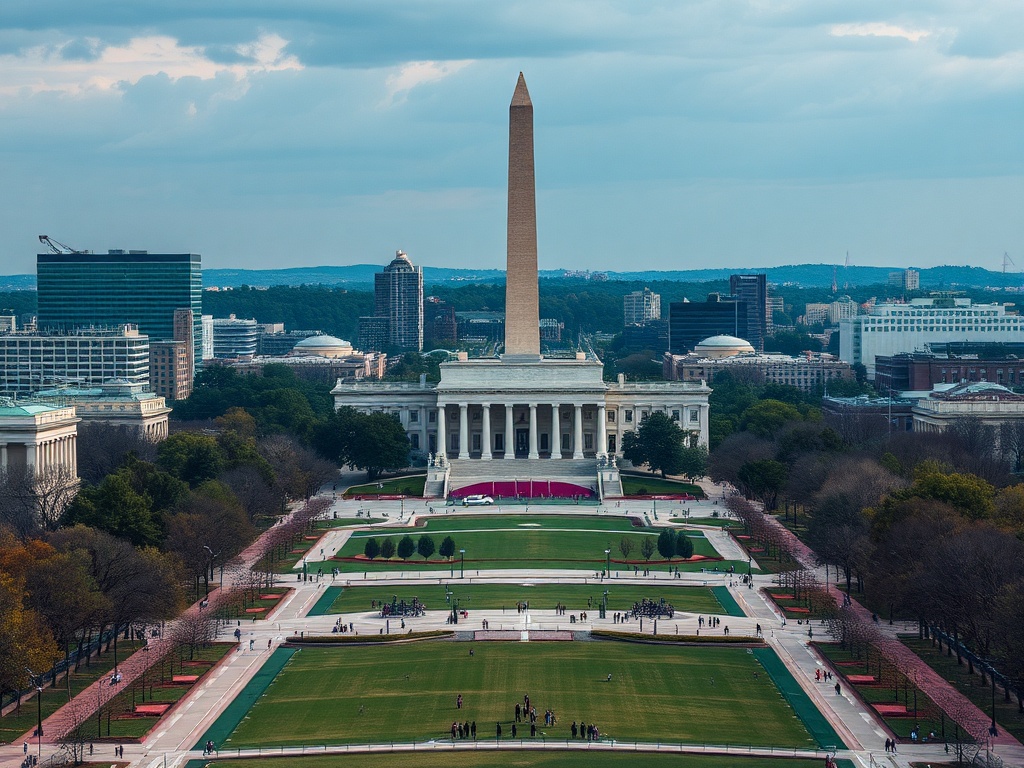
– For monument and memorial visits, go early in the day to avoid peak crowds and fully enjoy views and photography.
Safety and Accessibility
Most waterfronts and central neighborhoods are well-patrolled and pedestrian-friendly, but normal urban caution applies after dark: stick to well-lit streets, travel in groups when possible, and keep valuables secure.
Many parks and venues are wheelchair accessible, but checking individual site accessibility pages ahead of time helps avoid surprises.
Why it’s worth your time
Exploring DC’s waterfronts and neighborhoods offers a balance between iconic civic landmarks and everyday urban life—rooftop patios, farmers markets, riverfront trails, and music venues. These areas showcase a modern, walkable city that keeps drawing creative food and culture scenes while remaining surprisingly easy to navigate.
Pack comfortable shoes, plan a flexible route, and leave room to linger where the city invites you to stay a little longer.
Leave a Reply