Georgetown’s Balance: Historic Charm Meets Modern Living
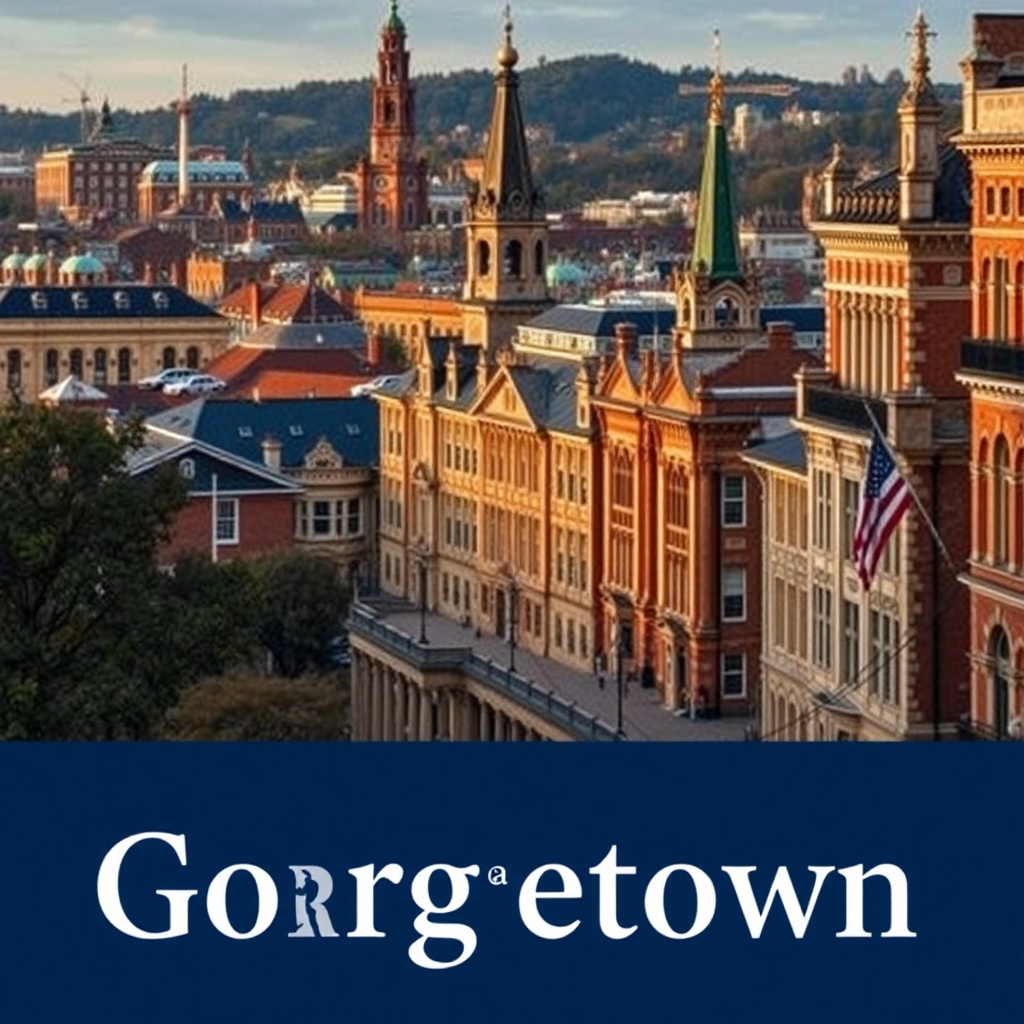
Georgetown remains one of the most captivating neighborhoods, known for its cobblestone streets, Federal-style rowhouses, and a waterfront that draws locals and visitors alike. The neighborhood has long been a study in contrasts: preserved historic architecture alongside vibrant retail corridors and evolving public spaces.
That balance is what keeps Georgetown feeling both timeless and alive.
A walkable neighborhood with big-city energy
Strolling along M Street and Wisconsin Avenue, you’ll find a mix of established boutiques, national brands, and independent shops. Window-shopping sits comfortably next to curated specialty stores, while coffee shops, bakeries, and bakeries’ outdoor tables populate sidewalks. This pedestrian-friendly environment encourages slow exploration—ideal for discovering tucked-away bookstores, art galleries, and antique dealers.
Waterfront and green space
The Potomac River and the C&O Canal towpath are central to Georgetown’s appeal. The towpath offers a serene escape for walking, running, and biking, while the waterfront promenades provide wide views and opportunities for kayaking or paddleboarding. Improved public access and thoughtful landscaping have made these outdoor spaces a focal point for community life, with benches, bike racks, and plazas encouraging lingering and socializing.
Dining scene: evolving but rooted
Georgetown’s dining scene blends long-standing neighborhood favorites with inventive newcomers. Classic bistros and longtime Italian spots sit near modern eateries emphasizing seasonal ingredients and creative cocktails. Outdoor dining and small-plate concepts encourage sharing and social nights out, and dessert destinations—from old-school ice cream to artisanal patisseries—add sweet stops to any outing.
Preservation and thoughtful development
Historic preservation remains a priority, with architecture guidelines and community engagement shaping new projects. At the same time, developers and civic groups are working to adapt historic buildings for contemporary uses—mixing residential, retail, and cultural programming in ways that respect the neighborhood’s aesthetic while meeting modern needs. Sustainable design and energy-efficient retrofits have become part of that conversation, ensuring upgrades fit within Georgetown’s character.
University influence and community connections
A major university anchors part of the neighborhood, bringing academic life, cultural programming, and a steady flow of students and faculty. This presence translates into public lectures, exhibitions, and community events that enrich the local cultural calendar. Town-gown collaboration continues to be important, as residents and institution leaders negotiate shared priorities like housing, transportation, and campus expansion.
Transportation and access
Georgetown’s narrow streets and historic layout make transportation planning a constant topic.
Improved bike lanes, rideshare pick-up zones, and pedestrian safety measures aim to reduce congestion while keeping the area accessible. Though full transit coverage remains a challenge, proximity to regional transit hubs and a range of e-mobility options provide alternatives to driving.
Culture and events
Gallery openings, book readings, and small music performances contribute to a lively cultural scene. Seasonal markets and neighborhood festivals bring neighbors together and support local makers. Preservation-minded tours and public history programs offer residents and visitors insights into the area’s layered past without disrupting everyday life.
Why Georgetown continues to draw interest
Georgetown’s strength comes from its layered identity: historic streets that tell a story, a dynamic retail and dining scene, accessible green spaces, and a strong civic culture. For people seeking a neighborhood that feels established but never stagnant, Georgetown offers a compelling mix of past and present—ready for new experiences while honoring what made it special to begin with.
Leave a Reply