Georgetown balances historic charm with dynamic urban life, making it a top destination for locals and visitors seeking picturesque streets, upscale shopping, and waterfront recreation. Nestled along the Potomac, this neighborhood blends cobblestone alleys and Federal-style rowhouses with lively dining spots, independent boutiques, and green spaces—offering a compact, walkable experience that feels both polished and personal.
Begin with the streets: M Street and Wisconsin Avenue are the neighborhood’s commercial spine, lined with a mix of well-known retailers and curated independents. Window-shopping here will reveal designer boutiques, specialty home goods stores, and several vintage shops that attract treasure hunters. Side streets like those near the canal are where you’ll find small galleries, artisan shops, and cafes that reward slower exploration.
Dining in Georgetown reflects diverse tastes. Waterfront restaurants provide scenic views of the Potomac and an easygoing setting for brunches and evening cocktails, while tucked-away bistros and international eateries serve refined and casual menus alike. Outdoor dining has expanded, with patios and rooftop seating making the most of mild weather and river breezes. For a local tip, seek out bakeries and coffee shops off the main drags—their quieter spots often serve some of the neighborhood’s best bites.
The waterfront and the C&O Canal bring a strong outdoor element to the neighborhood. Georgetown Waterfront Park is a popular place for strolls, people-watching, and waterside events.
The C&O Canal towpath offers a scenic route for walking, running, and cycling that connects to longer trails like the Capital Crescent Trail—ideal for commuters who prefer two wheels and for recreationists who want uninterrupted green space close to downtown life. Kayaking and paddleboarding on the Potomac are easy options for getting on the water, and seasonal boat services link the waterfront to other riverfront neighborhoods.
Historic preservation is central to Georgetown’s identity. As a designated historic district, the area features many well-preserved architectural styles—from Federal and Georgian rowhouses to pocket parks and historic landmarks like the Old Stone House.
Preservation rules help maintain the streetscape and architectural integrity, which in turn sustains the neighborhood’s appeal and real estate demand. That demand reflects a mix of buyers: long-time residents, young professionals drawn to the vibrant commercial corridors, and others seeking quieter residential blocks.
Transportation choices are shaped by Georgetown’s historic layout. The neighborhood lacks extensive rail service but remains well-connected through bus routes, circulator services, bike-share systems, and pedestrian-friendly streets. For visitors, walking is often the most efficient way to experience the area; for residents, a combination of bikes and buses keeps daily life manageable despite limited parking in certain blocks.
Small businesses are a vital part of the neighborhood’s economy. Many owners emphasize curated inventories and personalized service, which helps differentiate Georgetown from larger shopping districts. Recent retail shifts have encouraged more experiential offerings—specialty workshops, pop-up events, and chef-driven dining concepts—that make the neighborhood a destination beyond traditional shopping.
Whether you’re drawn by historic architecture, waterfront access, or a lively food and shopping scene, Georgetown offers a layered urban experience.
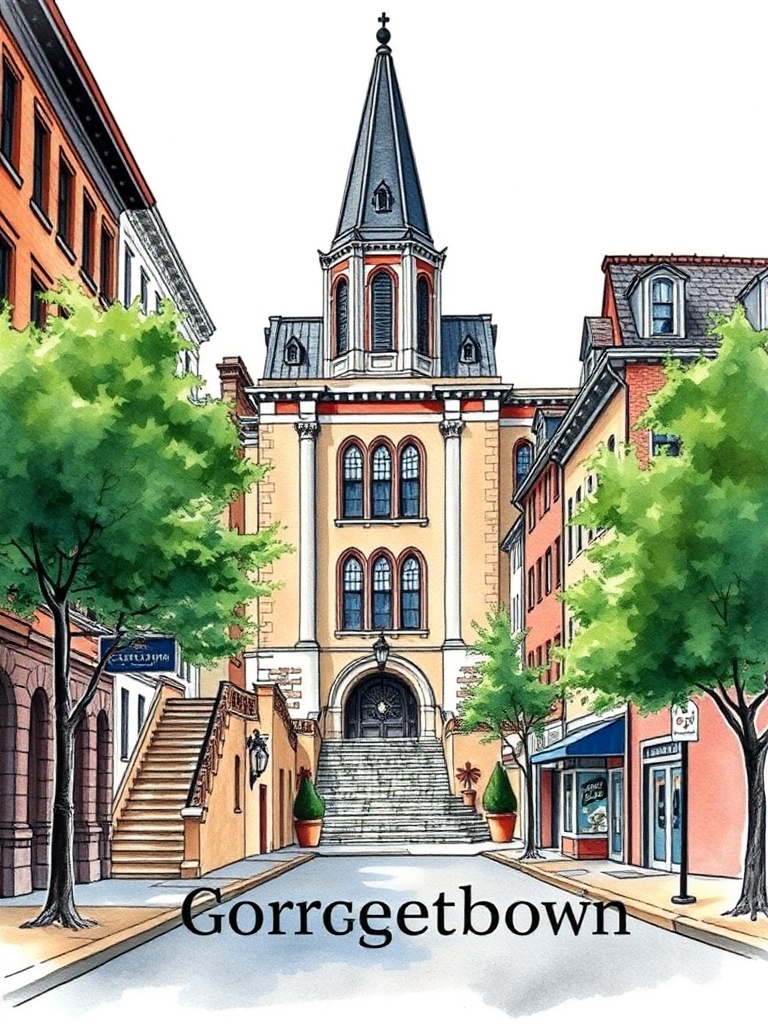
The neighborhood rewards slow exploration: wander side streets, follow the canal shaded by trees, and pause at a café to watch the Potomac drift by—small discoveries are the lasting impression here.
Leave a Reply