Inside the White House: How America’s Living Museum Balances History, Hospitality, and Public Access
The White House is more than a seat of executive power — it’s a working residence, a venue for diplomacy, and a continuously evolving museum of American history. Visitors and observers are often fascinated by how this iconic building blends ceremonial tradition with everyday life, preserving priceless art and historic rooms while serving as a backdrop for statecraft and public programs.
A home and a public stage
The White House functions in two roles at once. On one hand, it’s the private residence of the first family; on the other, it’s a national symbol where formal ceremonies, state dinners, and official receptions project American values to domestic and international audiences.
That dual nature requires careful management to protect privacy and security while keeping the mansion accessible to the public and dignitaries.
Preserving art and architecture
The White House Collection includes paintings, furniture, decorative arts, and historic photographs that tell the story of the nation.
Curators and preservation experts work continuously to conserve these objects and the building’s architectural details.
Restoration projects are carried out with an eye toward authenticity, using archival research and conservation techniques to maintain historic finishes and furnishings while adapting spaces for contemporary use.
Public programs and cultural diplomacy
Public programs — from guided tours to musical performances — offer ways for visitors to experience the White House beyond its exterior façade. Cultural diplomacy also plays a prominent role: guest lists for state events and traveling exhibitions showcase American art, cuisine, and hospitality to international partners. These activities reinforce the White House’s role as both a national museum and a platform for soft power.
Access and visitor experience
Access to the White House is intentionally limited to balance security with public engagement. Tours and public events give people a direct connection to national history, while the White House Visitor Center and online resources extend that experience to a wider audience.
Planning ahead is essential for those who want to see the State Floor rooms or attend special programs; checking official channels for the latest guidance helps set expectations about openings, security procedures, and available experiences.
Seasonal traditions and public moments
Seasonal events and public rituals — like holiday decorations, garden openings, and commemorative observances — draw particular interest.
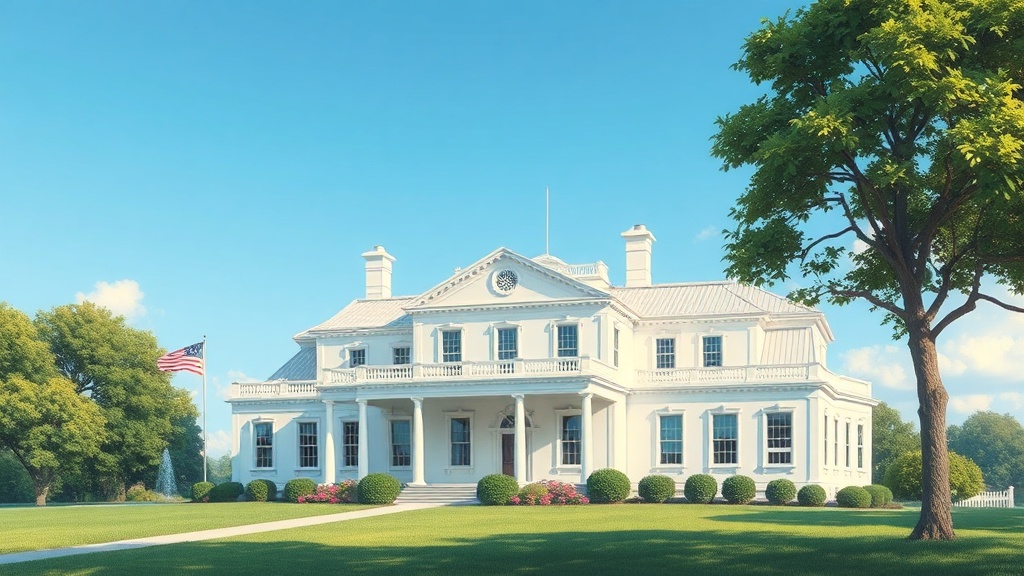
These traditions help humanize the institution and create memorable experiences for visitors and viewers. The design of seasonal displays often involves collaboration among designers, curators, and community partners, reflecting a mix of historical reference and contemporary creativity.
Balancing transparency and security
Maintaining a transparent democracy while ensuring the safety of residents and guests is a constant challenge.
Security protocols evolve with ever-changing threats, but officials also seek ways to preserve the White House’s public character. Digital outreach, virtual tours, and expanded visitor resources have become valuable tools for sharing the White House story with audiences who can’t visit in person.
Tips for visitors
– Research official visitor information before you go and use government resources or your local representative for tour requests.
– Expect a mix of historic rooms on view and areas that remain private for official use.
– Take advantage of the Visitor Center and online exhibits to deepen your understanding of the building’s history and art.
The White House remains a living, breathing institution — a place where history is preserved, national stories are told, and everyday governance unfolds. Its ability to balance public access with the demands of security and diplomacy keeps it both relevant and revered.
Leave a Reply