Planning a visit to the White House? Whether you’re aiming for an in-person tour, following public events, or exploring digital resources, knowing how access works and what to expect will make the experience far more enjoyable and stress-free.
What a White House visit can include
– Public tours: These typically cover historic rooms, select state parlors, and the central public areas. Access is limited and spaces fill quickly, so planning ahead is essential.
– Special events: Seasonal celebrations and signature programs often welcome families and communities, offering unique ways to engage with the grounds and traditions.
– Press briefings and public statements: The White House continues to be the primary source for official announcements, which are streamed and shared across official channels for wide access.
– Virtual and digital tours: For those who can’t attend in person, curated online experiences remain a robust option to view architecture, art, and historic rooms from anywhere.
How to request a tour
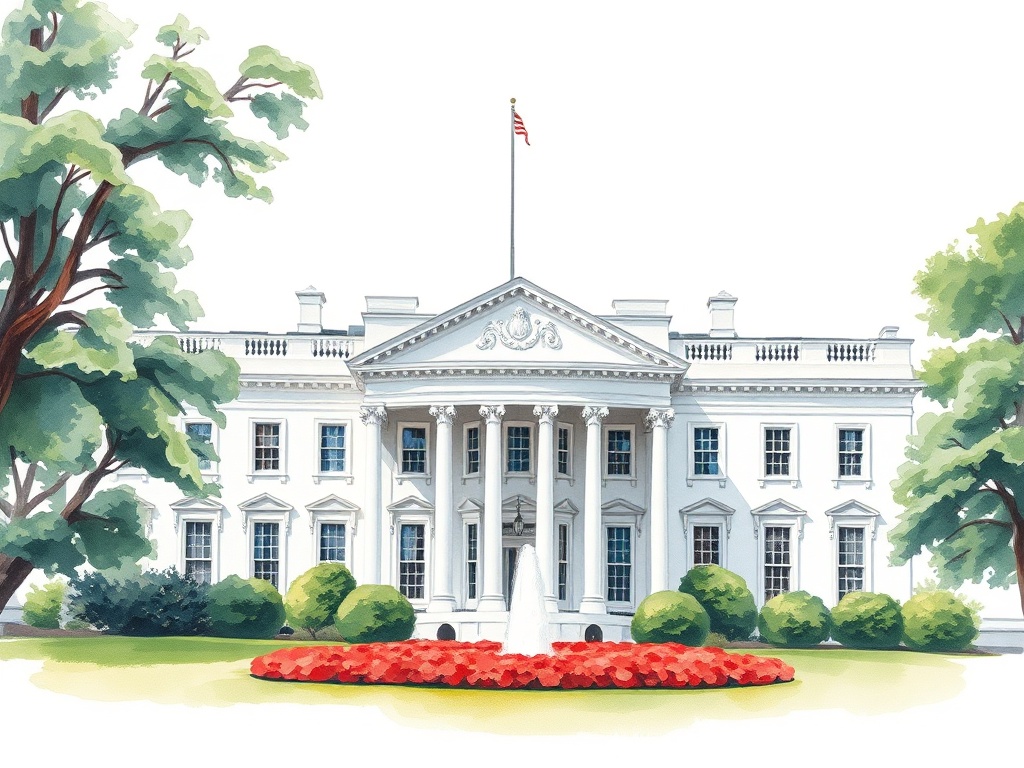
– Domestic visitors usually request tours through their member of Congress; international visitors often contact their embassy. Check official channels for the most up-to-date instructions and any eligibility requirements.
– Tours are offered on a first-come, first-served basis and may require several weeks’ lead time, so submit requests early and keep backups in mind.
Practical tips for a smooth visit
– Bring valid photo ID and copies of confirmation. Entry policies are strict for security reasons.
– Expect security screenings similar to airport procedures: keep bags small and be prepared to leave prohibited items behind. Check official guidance before departure.
– Photography is usually allowed in many public rooms, but restrictions can apply—always follow staff instructions and signage.
– Dress comfortably but respectfully; many visitors pair sightseeing with walking the surrounding public spaces and monuments.
Accessibility and family-friendly planning
– The White House offers accessibility accommodations; visitors with mobility needs should mention requirements during the request process to receive guidance on available support.
– Family programs and events often include activities for children and caregivers. Look for program descriptions to select age-appropriate events.
Sustainability and preservation efforts
Ongoing efforts to preserve the building and its collections are balanced with sustainability upgrades designed to reduce energy use and protect the historic fabric. These efforts include careful maintenance of the art and furnishings, as well as infrastructure improvements that minimize environmental impact while safeguarding heritage.
Respecting history and security
The White House is both a working residence and a historic landmark.
Visitors should be mindful of the dual nature of the site: it’s a place of ceremony and business, and security measures reflect that balance.
Respect for staff, fellow visitors, and the property ensures a positive experience for everyone.
Staying informed
Official White House channels provide the most accurate updates on tours, public programs, and any temporary closures. Following those sources and coordinating with congressional offices or embassies will yield the best results for planning a visit.
A White House visit can be memorable and meaningful when planned thoughtfully. With the right preparation and respect for the site’s protocols, visitors leave with a deeper appreciation of national history, civic rituals, and the living traditions housed inside one of the country’s most recognizable buildings.
Leave a Reply