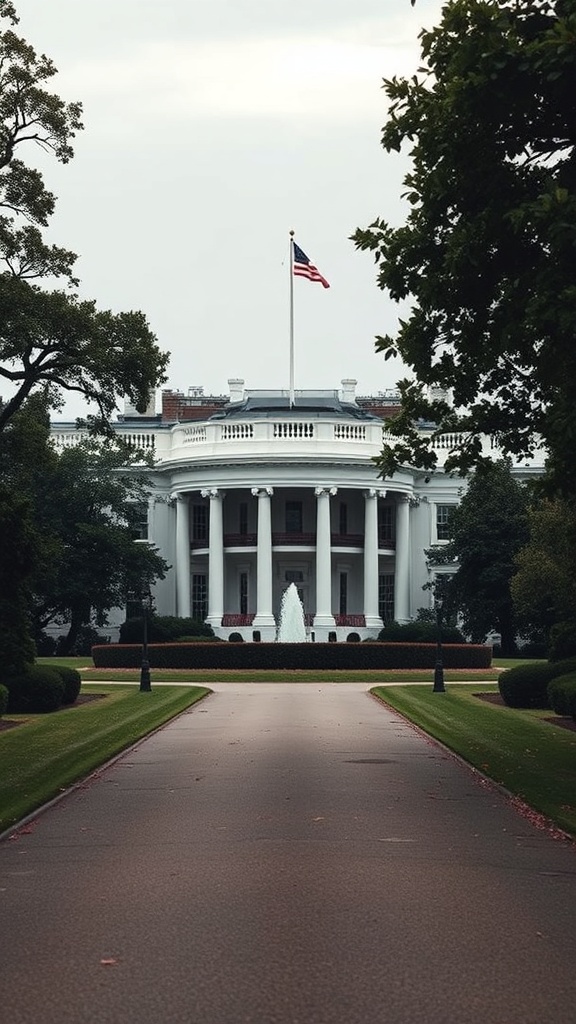
The White House remains one of the most visited and photographed civic landmarks, offering a blend of living history, public ceremony, and active governance. Whether you’re planning a first-time visit or looking to refresh your visitor strategy, understanding how tours work, what restrictions apply, and what to expect will make your trip smoother and more enjoyable.
How to Arrange a Tour
Public tours of the White House are available but must be requested in advance. U.S. residents typically submit requests through their member of Congress; international visitors should contact their home country’s embassy in Washington for assistance. Requests should include full names, dates of birth, and a preferred time window. Confirmation is not guaranteed, so plan alternatives nearby in case a tour slot doesn’t materialize.
Security and Entry Procedures
Security is strict and thorough. Expect identity verification, background checks, and screening similar to airport procedures. Visitors must present government-issued photo ID that matches their reservation.
Certain items are prohibited—large bags, food, liquids, weapons, folding chairs, and drones are commonly not allowed—so travel light. All visitors pass through metal detectors and may be subject to additional inspection. Allow ample time for arrival and processing.
What You’ll See and Do
Tours are typically self-guided through select public rooms and exhibit spaces. Guides and staff may be available to point out features and historical highlights. Outside the building, the South Lawn, Lafayette Square, and the Ellipse provide scenic viewpoints and photo opportunities. The White House Visitor Center, located a short walk away, offers exhibits, artifacts, and interactive displays that enrich the on-site experience.
Accessibility and Accommodations
Accessibility is a priority. Wheelchair access, ramps, and other accommodations are available, but advance notice helps staff prepare. If you or someone in your party needs specific assistance, indicate this when submitting your tour request so appropriate arrangements can be arranged.
Photography, Conduct, and Etiquette
Follow staff instructions regarding photography and movement through the building. Rules on photography can vary depending on the area and event—if photography is restricted, staff will inform you. Dress and behavior should reflect the building’s dual role as a residence and seat of government: respectful, discreet, and mindful of other visitors.
Timing Tips and Nearby Attractions
Tours fill quickly and are often scheduled during the morning and early afternoon; happy flexibility increases your odds. If a White House tour isn’t available, nearby attractions offer rich alternatives: the National Mall, Smithsonian museums, memorials, and public parks are within walking distance and provide full-day options.
Practical Checklist
– Request a tour through a Congressional office or embassy well in advance
– Bring valid government-issued photo ID that matches your reservation
– Travel light; leave prohibited items at your hotel or in a locker
– Arrive early to allow time for security processing
– Notify staff of any accessibility needs when requesting your tour
– Check the official visitor resources online for last-minute updates
Visiting the White House combines history, civic life, and a unique public experience. With planning, respect for security protocols, and a mindset for discovery, your visit can be a memorable highlight of a trip to the nation’s capital.
Leave a Reply