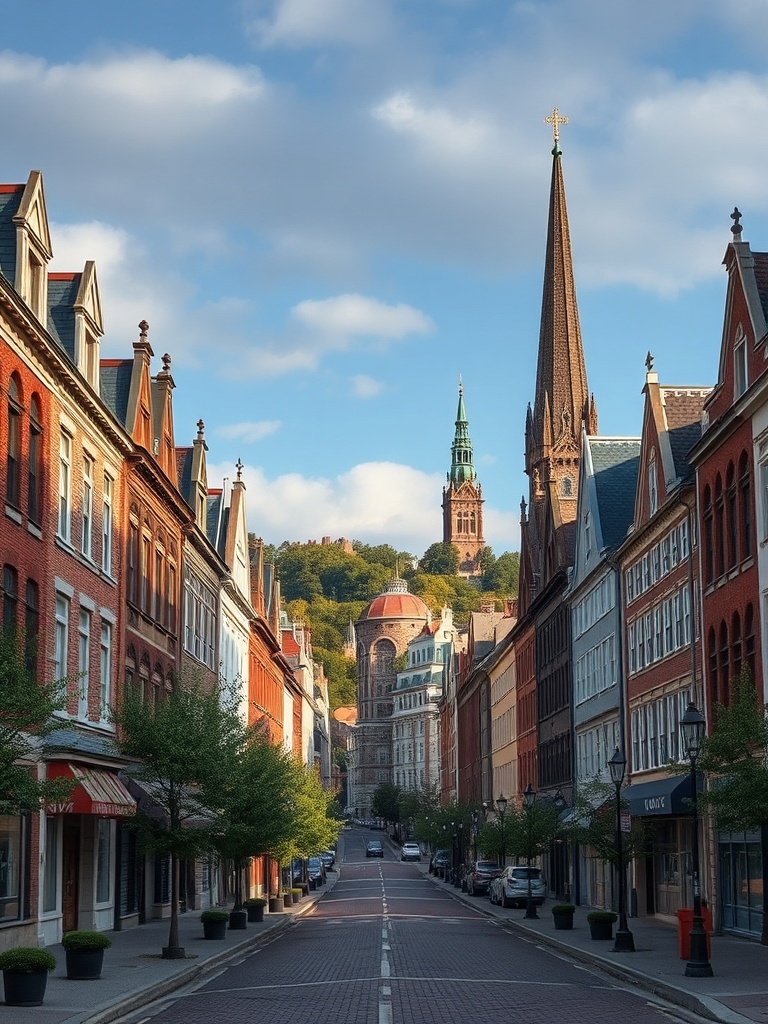
Georgetown remains one of the most compelling neighborhoods to explore for a mix of history, shopping, dining, and riverside recreation. Its cobblestone streets and Federal-style rowhouses create a walkable village atmosphere that feels both historic and lively.
Whether you’re a visitor or a local looking for a weekend adventure, here’s a practical guide to make the most of a Georgetown day.
What to see and do
– Stroll the C&O Canal towpath: A peaceful ribbon along the Potomac, the towpath is perfect for walking, running, or cycling. Early morning offers calm waters and softer light for photos.
– Explore Georgetown University campus: The campus blends Gothic architecture with leafy quads and quiet courtyards. It’s easy to wander and take in the collegiate atmosphere.
– Visit historic sites: Small but significant attractions like the Old Stone House and hidden gardens provide a window into the area’s layered past.
– Discover Dumbarton Oaks: This museum and gardens complex is a serene escape with curated collections and seasonal horticultural displays that reward slow exploration.
– Walk the waterfront: The Georgetown waterfront park offers river views, kayak and paddleboard access points, and outdoor seating that’s ideal for people-watching.
Where to eat and drink
Georgetown’s dining scene ranges from longtime neighborhood institutions to inventive newcomers. For a casual start, grab coffee and pastries at a local bakery or try a classic neighborhood diner for brunch.
Lunch options include seafood shacks on the waterfront and small bistros along M Street and Wisconsin Avenue. Evenings are best enjoyed with a reservation—seek out cozy taverns, chef-driven restaurants, or rooftop bars for sunset views over the Potomac. Don’t miss the cupcake and pastry shops for a sweet finish.
Shopping and hidden finds
M Street and parts of Wisconsin Avenue are the backbone of Georgetown shopping: independent boutiques, design shops, and established retailers sit side by side. Antique stores and specialty home-goods shops are great for unique finds. For quieter discoveries, wander the side streets where small galleries and specialty food shops hide behind ivy-covered facades.
Practical tips
– Transit and parking: Georgetown doesn’t have a subway stop inside the neighborhood. It’s most conveniently reached by bus, circulator routes, rideshare, or a short walk from nearby rail stations. Street parking is available but limited; metered spots and private garages are plentiful near the waterfront.
– Footwear: Cobblestones and steep hills are part of the charm—comfortable shoes make exploring more pleasant.
– Timing: Weekday mornings are quieter; weekends draw visitors and can be crowded around popular attractions and restaurants. Early evening along the waterfront is especially lively.
– Respect the neighborhood: Many areas are residential. Keep noise low in quiet blocks and follow posted parking regulations.
Seasonal highlights
Georgetown’s character shifts with the seasons—flower-filled gardens, summer waterfront activity, and special seasonal lighting and art installations that bring the canal and waterfront to life. Check local listings for outdoor concerts, markets, and community events that often take place along the river or in public squares.
Why it endures
Georgetown’s blend of historic charm, compact walkability, and a diversified mix of cultural and culinary offerings keeps it appealing.
Whether you’re looking for a leisurely day of museums and gardens, an afternoon of boutique shopping, or an evening sampling neighborhood restaurants, Georgetown delivers a distinctly urban-but-intimate experience that rewards curiosity and slow exploration.
Leave a Reply