George Washington University: A Hub for Policy, Research, and Urban Student Life
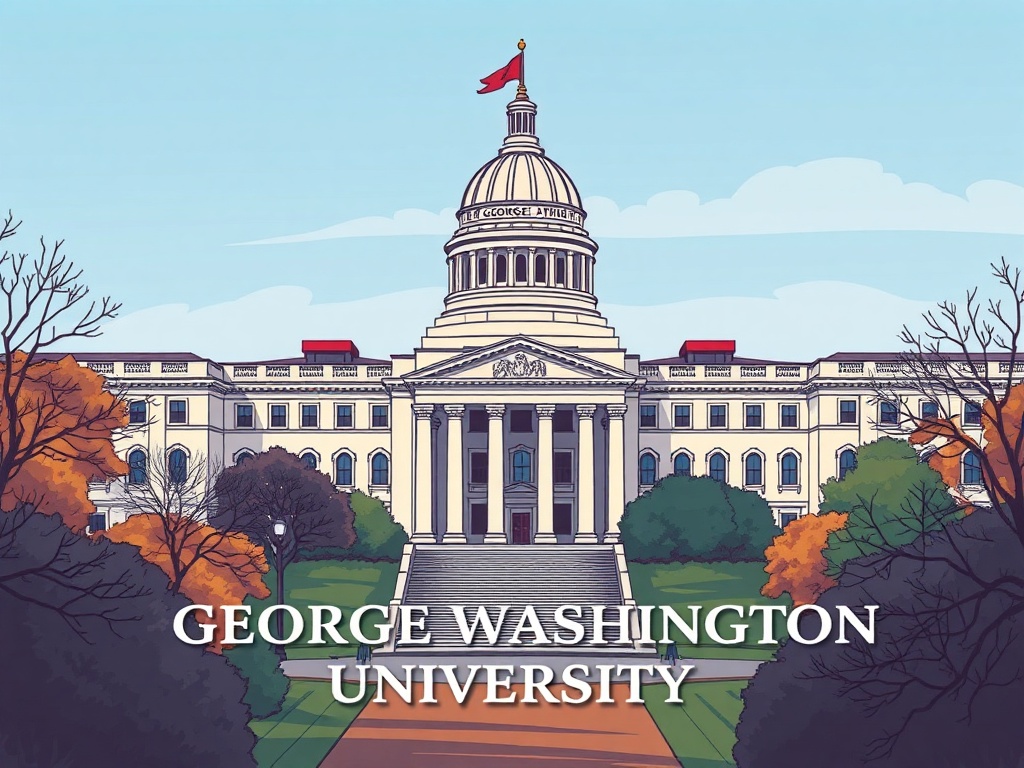
Located in the heart of Washington, D.C., George Washington University (GW) offers a distinctive blend of policy-focused academics, hands-on professional opportunities, and vibrant urban living.
Its Foggy Bottom campus places students within walking distance of major federal institutions, international organizations, think tanks, and leading employers—making GW a natural choice for anyone interested in public policy, international affairs, law, health, or business.
Why GW stands out
– Policy proximity: GW’s location creates daily access to internships, externships, and networking with policymakers, embassies, advocacy groups, and congressional offices. Students frequently secure high-impact placements that complement classroom learning with real-world experience.
– Interdisciplinary research: GW hosts a wide range of research centers and schools that span public health, international affairs, business, law, and biomedical sciences.
Collaborative projects often connect faculty and students with government agencies and nonprofit partners, accelerating applied research and policy translation.
– Professional preparation: Career services emphasizes employer engagement, résumé and interview coaching, and targeted recruiting events. Strong alumni representation across D.C.
makes mentorship and job leads more accessible to current students.
Academic strengths
GW excels in fields that benefit from its metropolitan setting. The Elliott School of International Affairs is known for diplomacy and security programs, while the law school and business school maintain robust partnerships with the legal and corporate communities. The public health school frequently collaborates with federal health agencies and local health systems on research and training initiatives. Across programs, experiential learning—through clinics, policy labs, and practicum courses—helps students develop practical skills that employers value.
Campus life and student experience
Student life at GW reflects the urban environment: cultural venues, internships, political events, and service learning are part of the day-to-day experience.
On campus, students can join hundreds of student organizations, from policy journals and debate clubs to arts groups and multicultural associations.
Living in or near Foggy Bottom means easy access to museums, theaters, international dining, and outdoor spaces along the Potomac, offering a balance between campus community and city exploration.
Health, safety, and support services
GW emphasizes student well-being with on-campus medical and counseling services, public health clinics, and a university hospital that supports clinical training and community care.
Campus safety initiatives include community policing, emergency notification systems, and programs that promote safety awareness and support for students.
Sustainability and community engagement
The university pursues sustainability initiatives across operations, research, and education, aiming to reduce environmental impact while integrating climate and resilience topics into the curriculum. Community partnerships with neighborhoods and local nonprofits also play a role in service-learning projects and civic engagement, reinforcing GW’s role as an urban institution committed to reciprocal community relationships.
Preparing for the future
Students seeking careers in government, diplomacy, advocacy, law, healthcare, or business find that GW’s location and networks provide a distinctive launchpad.
With a focus on experiential learning, research collaboration, and professional development, the university helps students build the skills and connections needed to navigate competitive career landscapes.
Whether considering an undergraduate program, a professional degree, or research collaboration, prospective students and partners should explore GW’s academic offerings, campus resources, and the wide range of internship and networking opportunities that come with being at the center of national and international policymaking.
Leave a Reply