Georgetown: timeless charm and a neighborhood evolving with the city
Georgetown blends preserved history with modern urban energy, making it one of the most visited neighborhoods in the capital.
Known for its cobblestone streets, Federal-style rowhouses, and the scenic C&O Canal towpath, the area offers a compact mix of culture, shopping, dining, and outdoor access that appeals to residents and visitors alike.
Historic character and preservation
The neighborhood’s historic district is tightly protected, which keeps its distinctive architectural fabric intact.
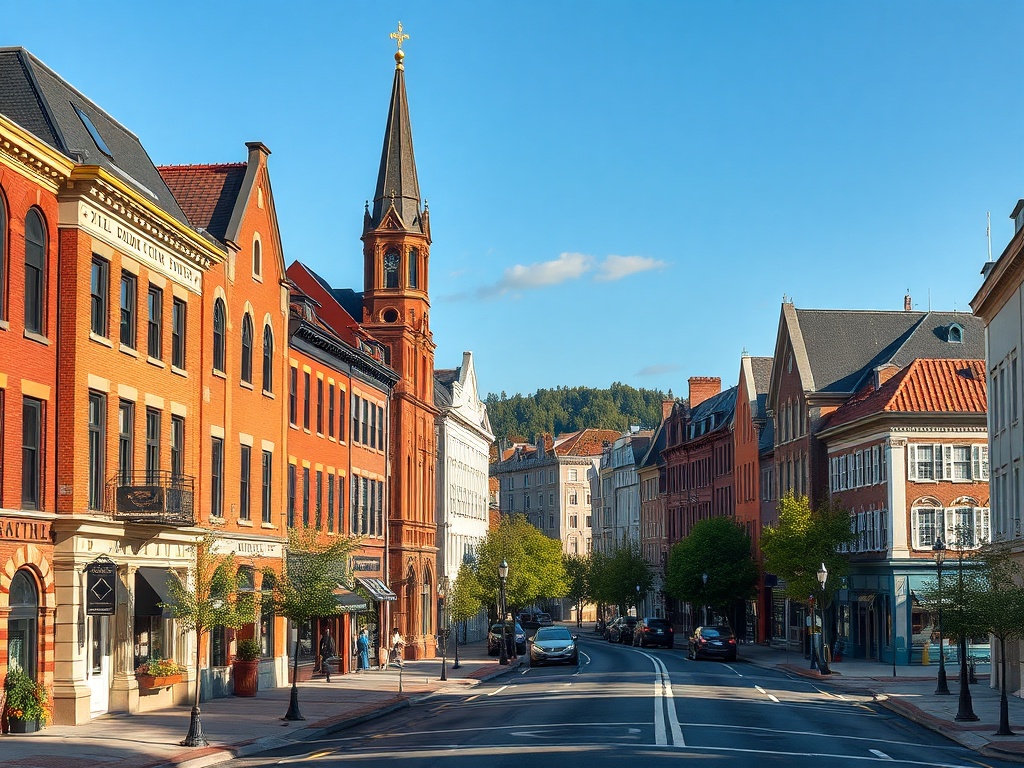
Homeowners and developers regularly navigate preservation guidelines to update properties without sacrificing original details like brick facades, wrought-iron balconies, and classic cornices. Preservation efforts help maintain property values and the visual identity that draws people to the area, while adaptive reuse projects convert former warehouses and industrial buildings into sleek residences and creative office spaces.
Dining and retail that keep evolving
Georgetown’s retail corridor balances longstanding specialty shops with a stream of new culinary concepts. Flagship stores and independent boutiques line the main avenues, offering everything from high-end fashion to locally made goods. The dining scene continues to diversify, with chef-driven restaurants, casual cafés, and inventive bars opening alongside neighborhood institutions. Outdoor dining and sidewalk seating are popular, especially along lively blocks and near the waterfront, creating a strong street-level vibe.
Green space and waterfront access
One of Georgetown’s biggest draws is its access to water and green space. The C&O Canal towpath is a favorite for walking, running, and cycling, while the Potomac waterfront offers a pedestrian promenade, parks, and seasonal activities.
These open spaces provide a welcome respite from urban life and host community events, fitness classes, and pop-up markets that keep the neighborhood active and social.
Mobility and connectivity
Georgetown’s lack of a direct underground rail stop has long shaped local transportation. That dynamic keeps streets busy with buses, rideshares, and cyclists, and has spurred investment in improved bike lanes and better bus service. Many residents rely on a mix of walking, biking, and micro-mobility for short trips. Parking and traffic remain part of the conversation as the neighborhood adapts to changing commuting patterns and efforts to prioritize pedestrian safety.
Community and institutional influence
Georgetown University plays a central role in neighborhood life, contributing cultural events, public lectures, and shared initiatives that connect students with residents. Local nonprofits and community associations are active in shaping development outcomes, advocating for smart growth that respects historic character while supporting affordability and sustainability.
Challenges and opportunities
Like many desirable urban neighborhoods, Georgetown faces pressure around housing affordability, small business retention, and balancing tourism with a livable community for long-term residents.
Efforts to support independent retailers, expand public space programming, and pursue green infrastructure projects aim to address these issues while preserving what makes Georgetown unique.
Whether you’re planning a walking tour, scouting shops, or simply enjoying the waterfront, Georgetown continues to offer a layered urban experience where historic charm meets thoughtful, ongoing change.
Explore its lanes, support local businesses, and take time to notice the details that define this enduring neighborhood.
Leave a Reply