George Washington University stands out for one key advantage: location.
Nestled in the Foggy Bottom neighborhood of Washington, D.C., the university offers students direct access to federal agencies, international organizations, think tanks, and the private sector — a powerful combination for anyone pursuing careers in public policy, international affairs, law, journalism, health sciences, or business.
Academic strengths and hands-on learning
The Elliott School of International Affairs is widely recognized for immersive international policy training, while the School of Business, Law School, and the Milken Institute School of Public Health provide specialized professional pathways. Across disciplines, experiential learning is emphasized: internships with Capitol Hill offices, externships at federal agencies, research assistantships with policy centers, and clinic-based legal practice give students practical skills and professional networks before graduation.
Research and policy impact
George Washington University hosts numerous research centers that shape national conversations. Centers focused on cybersecurity, public health, international economics, and urban policy connect faculty research with policymaking communities in the city. These centers regularly convene panels, publish policy briefs, and partner with government and nonprofit stakeholders, making the university a hub for applied research with real-world impact.
Career outcomes and networking
Proximity to employers translates into robust internship pipelines and recruiting opportunities. Career services coordinate employer events, on-campus interviews, and skill-building workshops tailored to navigating the D.C. market. Alumni networks spanning government, diplomacy, law, and industry provide mentoring and job leads, helping students transition into competitive roles across sectors.
Campus life and student experience
Campus life blends urban energy with a close-knit community feel. Residential options, student organizations, cultural events, and performance venues keep campus lively and inclusive. Student media outlets, advocacy groups, and service-focused organizations offer leadership opportunities that complement classroom learning. Wellness resources and campus safety initiatives support a balanced student experience amid the bustle of the capital.
Sustainability and campus development
Sustainability is a growing focus across campus operations and academic programs. Green building practices, waste reduction efforts, and curriculum integration of environmental topics reflect a broader commitment to resilience and responsible stewardship.
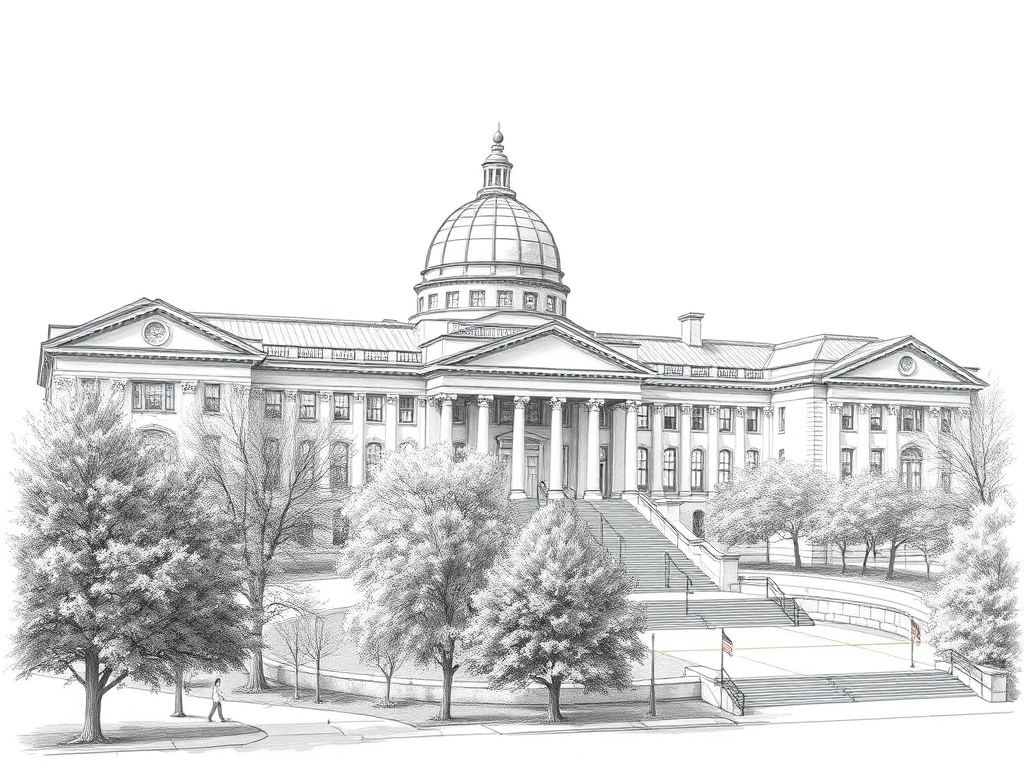
Ongoing campus enhancements prioritize modern learning spaces, accessibility, and technology integration to support evolving pedagogical needs.
Entrepreneurship and innovation
Entrepreneurial students can tap into incubators and accelerator programs that connect startups with mentors, seed funding, and workspace. Cross-disciplinary collaboration among business, engineering partnerships, and policy students fosters innovative solutions to urban challenges — from health-tech pilots to civic technology projects.
Tips for prospective students
– Leverage location: prioritize internships early and use faculty and alumni to find opportunities.
– Explore centers: join research projects or policy forums to build expertise and visibility.
– Balance academics and engagement: coursework plus practical experiences strengthens resumes.
– Use career resources: attend recruiting events and prepare for interviews specific to public-sector hiring processes.
George Washington University’s blend of location-driven opportunity, research influence, and professional training makes it a strategic choice for students interested in public service, global affairs, and careers that intersect with policy and practice.
Whether aiming for government, nonprofit leadership, or private-sector roles that engage with public issues, students benefit from a university deeply embedded in the capital’s professional ecosystems.
Leave a Reply