The National Mall is the heart of Washington DC — a walkable stretch of monuments, museums, and green space that every visitor should experience. Whether you’re planning a first visit or returning for another day of discovery, these practical National Mall tips will help you make the most of your time while avoiding crowds, saving money, and enjoying the best photo opportunities.
Plan your route and prioritize
The Mall is long and deceptively large. Pick a few must-see stops instead of trying to cover everything. Smithsonian museums are free and clustered along the Mall; prioritize based on interest (art, history, aviation, or culture).
Popular memorials — Lincoln, Vietnam Veterans, and World War II — are close together and can be done in a compact loop. Some monuments require timed-entry tickets, so check ahead and reserve if needed.
Best times to visit
Early morning is the quietest time and offers soft, flattering light for photos.
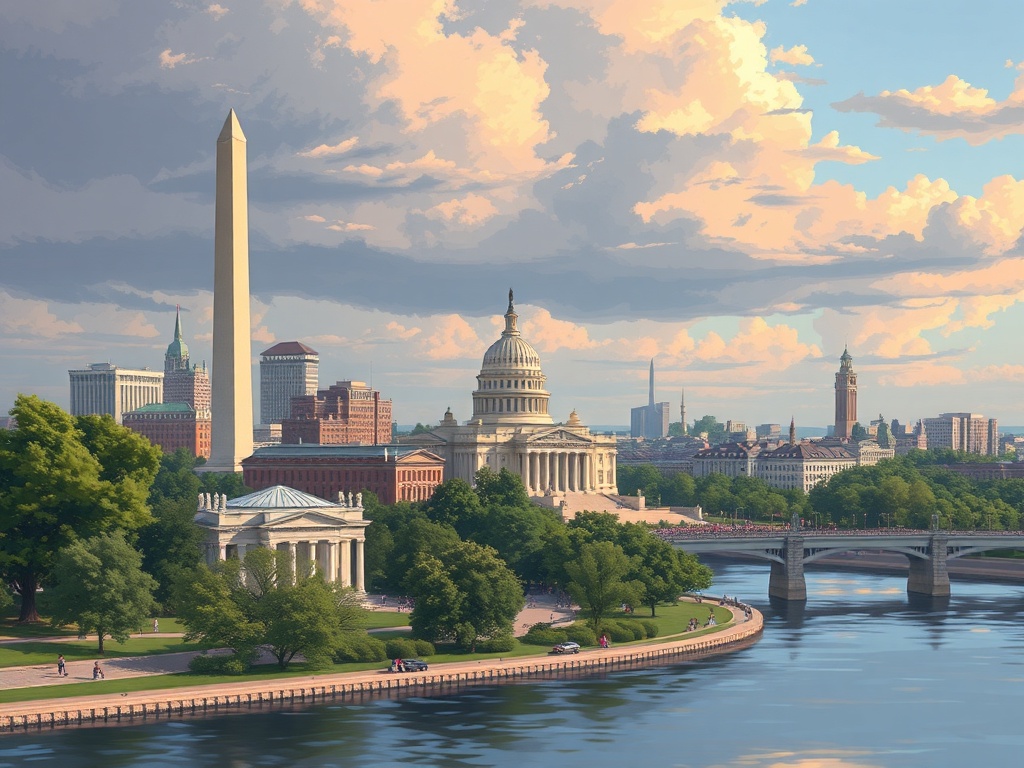
Late afternoon and “golden hour” produce dramatic views of monuments and the Capitol dome. Monument lighting after dark makes for memorable photos and a quieter experience than daytime crowds. Weekdays are typically less crowded than weekends, and arriving well before midday helps you avoid long security lines.
Getting there and getting around
Metrorail is the most reliable way to reach the Mall—Smithsonian, Federal Triangle, and L’Enfant Plaza are key stops.
The DC Circulator connects tourist destinations affordably, and Capital Bikeshare provides flexible short-term rentals for covering longer distances. Rideshares are convenient for late returns, but parking near the Mall is limited and often expensive; public transit or bikes are generally faster and less stressful.
Museum and security tips
Smithsonian museums have security screening at entrances—pack light and follow bag rules to move through lines faster. Many museums offer coat checks, water bottle refills, and quiet spaces for families.
Popular museums can fill up quickly; arrive early or visit during off-peak hours for a calmer experience. Accessibility is a priority: most museums and major memorials are wheelchair-accessible with ramps and elevators, and staff can assist with accommodations.
Eating and resting options
Food trucks and seasonal vendors line parts of the Mall, and nearby neighborhoods offer an expanding dining scene. Penn Quarter and the Wharf are great for a sit-down meal within walking distance. For a low-cost picnic, bring snacks and enjoy one of the many lawns—perfect for people-watching and recharging between stops.
Photography and etiquette
Respect memorial etiquette — many sites are solemn spaces where quiet and reflection are expected. For photos, aim for early morning or evening light, use wide angles for the large monuments, and avoid commercial tripods in busy areas without a permit.
Drone use is restricted over the National Mall for safety and regulatory reasons.
Hidden gems and neighborhood side trips
Step off the Mall to discover quieter museums and local neighborhoods. The nearby Tidal Basin and various national gardens provide seasonal color, and small civic museums in adjacent neighborhoods offer unique perspectives on the city’s history and culture.
Final practical reminders
Wear comfortable shoes, bring a refillable water bottle, and check museum hours and entry policies before heading out.
With a little planning, the National Mall can be a profoundly moving and efficient experience — whether you’ve got a few hours or a full day to explore.
Leave a Reply