Georgetown remains one of the most magnetic neighborhoods in the nation’s capital, where historic charm meets modern lifestyle.
Winding cobblestone streets, Federal-style rowhouses, and the leafy path of the C&O Canal create an unmistakable sense of place, while a lively waterfront and an ever-evolving retail and dining scene keep locals and visitors coming back.
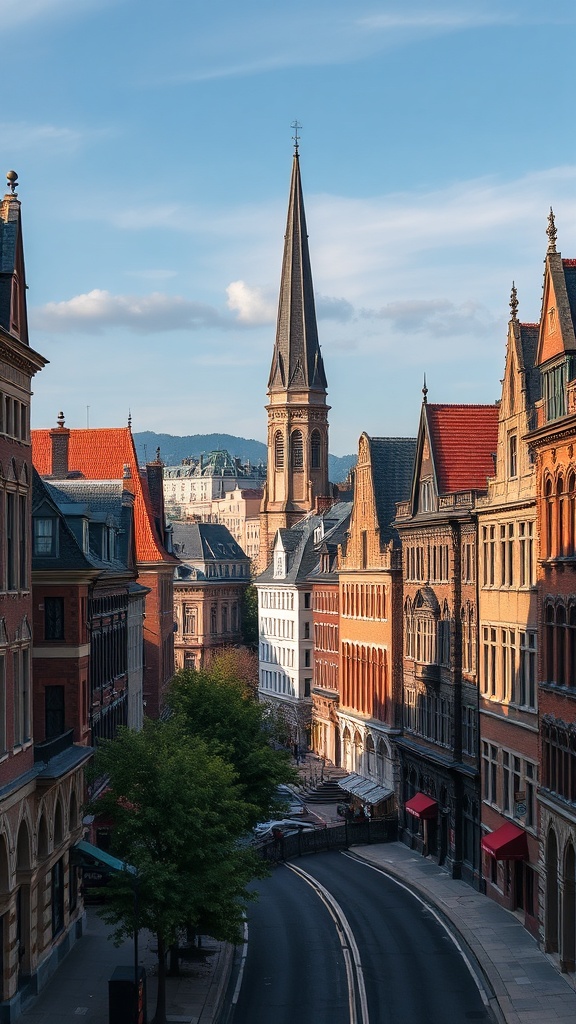
A stroll along M Street and Wisconsin Avenue showcases Georgetown’s retail mix: long-established boutiques and national brands sit side-by-side with independent shops and art galleries. This balance of old and new makes the neighborhood a premier destination for curated shopping — from artisanal goods and designer fashion to unique homewares and books. Window-shopping is part of the experience, but so is discovering hidden gems in side streets and alleyways where specialty stores and local artisans thrive.
The Georgetown waterfront is a major draw, with pedestrian-friendly promenades, riverside parks, and seasonal dining terraces.
Kayaking and paddleboarding along the Potomac give a refreshing perspective of the city skyline, and the towpath beside the historic C&O Canal offers one of the best urban walking and cycling routes. Green spaces like these are focal points for recreation and community programming, hosting outdoor concerts, fitness classes, and weekend markets that highlight local food vendors and craftspeople.
Historic preservation remains central to Georgetown’s identity. Strict architectural guidelines protect the neighborhood’s 18th- and 19th-century streetscapes, and adaptive reuse projects have given old warehouses and factories new life as offices, event spaces, and cultural venues. Preservation efforts are paired with sustainability priorities: stormwater management, tree canopy protection, and energy-efficiency upgrades are increasingly part of renovation plans, reflecting a commitment to maintaining character while addressing environmental concerns.
Dining in Georgetown is a strong reason to visit. The culinary scene ranges from classic, white-tablecloth establishments to inventive casual spots and international flavors. Farm-to-table concepts, seafood-centric menus along the waterfront, and trendy bakeries populate the dining map. Late-night cafes and cozy wine bars add to the neighborhood’s appeal after sunset.
The presence of a major university contributes a youthful, intellectual energy that complements the neighborhood’s historic tenor. Academic events, public lectures, and cultural programming from campus venues spill into the community, supporting independent bookstores, coffee shops, and performance spaces. Students and scholars add vibrancy while also influencing housing and transit patterns, keeping conversations about neighborhood planning lively.
Transportation options have expanded to accommodate both residents and tourists. While Georgetown lacks a dedicated Metro stop, nearby stations, circulator buses, bike-share systems, and well-marked bike lanes provide practical alternatives to driving. Parking and traffic remain management priorities for local officials and business owners, who work to balance accessibility with pedestrian safety and environmental goals.
For anyone planning a visit, carving out time to explore beyond the main thoroughfares rewards with quieter streets, historic courtyards, and artisan shops. Weekday mornings are perfect for a peaceful canal walk; weekends bring markets and a festive atmosphere along the waterfront. Whether drawn by history, food, shopping, or outdoor activities, Georgetown continues to offer a layered, walkable urban experience that feels both timeless and tuned to modern life.
Leave a Reply