Washington DC blends iconic national landmarks with a lively local culture, making it an ideal destination for visitors and residents who want history, green space, and good food all within easy reach. Whether you’re planning a short trip or exploring neighborhoods like a local, this guide highlights what to see, where to eat, and how to get around.
Why visit
The city’s concentration of museums, monuments, and government buildings is unmatched, but it’s the accessible outdoor spaces, neighborhood markets, and evolving dining scene that keep people coming back. DC offers big-city attractions without a constant rush, and it’s easy to mix museum time with a bike ride or waterfront stroll.
Top attractions (don’t miss)
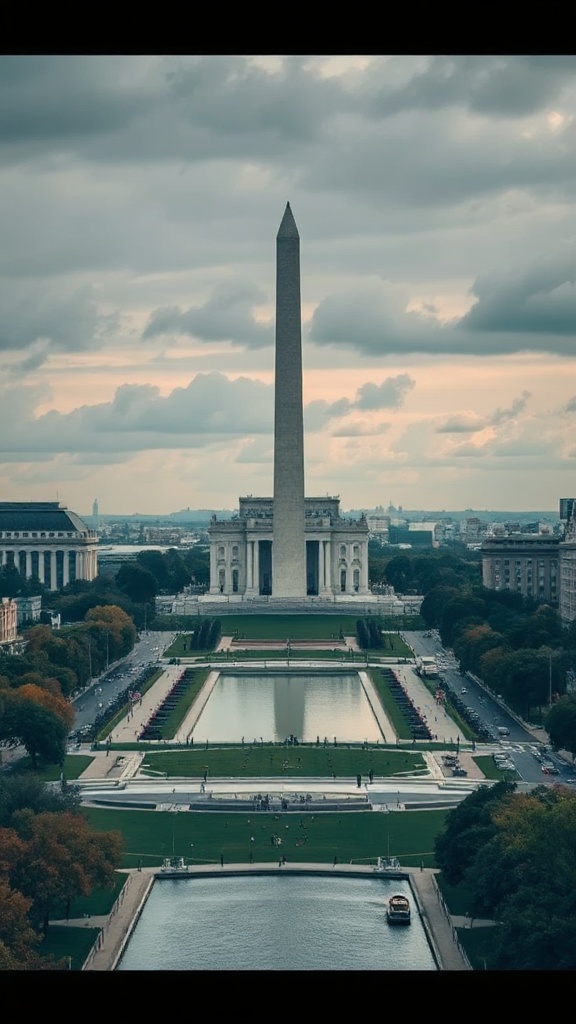
– National Mall: Walk between major museums and memorials, then relax on expansive lawns.
Many Smithsonian museums offer free admission.
– Tidal Basin and the Waterfront: Scenic paths, paddle-boat rentals when available, and vibrant seasonal foliage make this area perfect for an outdoor outing.
– Rock Creek Park: A large urban forest with trails, picnic areas, and nature centers for those seeking quiet and exercise.
– The Wharf and Anacostia Riverwalk: Active waterfront dining, live music venues, and long riverside paths for walking or biking.
– Neighborhood markets: Union Market and Eastern Market showcase local vendors, artisanal foods, and community events.
Neighborhoods to explore
– Georgetown: Historic streets, boutique shopping, and the C&O Canal towpath.
– Shaw and Logan Circle: A hub for nightlife and modern dining, blending historic rowhouses with trendy boutiques.
– U Street Corridor: Live music, jazz clubs, and an energetic bar scene.
– Capitol Hill: Tree-lined streets, the weekend market at Eastern Market, and quiet residential charm.
Food and drink
DC’s culinary scene mixes power dining with neighborhood-focused eateries.
Food halls and markets make it easy to sample a range of cuisines in one stop.
Don’t skip regional specialties like carefully prepared seafood and creative takes on international dishes. Coffee shops and bakeries across neighborhoods serve as ideal pit stops between sightseeing.
Getting around
Public transit, bike lanes, and e-scooters make it convenient to navigate the city without a car. The Metro connects many major sites, but walking can be the most enjoyable way to experience compact neighborhoods and discover hidden cafés or murals. Bike-share programs and dedicated trails—like the Capital Crescent and Metropolitan Branch—provide scenic and practical routes for cyclists.
Tips for a smooth visit
– Layer your clothing to adapt to changing weather during long days of exploration.
– Start popular museum visits early or aim for late afternoons to avoid peak crowds.
– Book special tours or restaurant reservations in advance for high-demand experiences.
– Use a transit app or map to plan multimodal trips that combine walking, transit, and biking.
Local events and culture
The city hosts a steady stream of cultural events, outdoor concerts, and neighborhood festivals.
Check community calendars and local venue listings for performances, farmer’s markets, and pop-up happenings that showcase local artists and chefs.
Why it works
The balance of national icons and neighborhood discovery gives Washington DC lasting appeal.
It’s a place where a morning at a world-class museum can be followed by a riverside walk and dinner in a cozy local spot. For anyone seeking history, culture, or simply a well-rounded urban experience, the city delivers memorable moments at every turn.
Leave a Reply