Georgetown remains one of the most compelling neighborhoods in the capital, blending historic charm with lively dining, boutique shopping, and scenic waterfront access. Whether planning a day trip or looking for local discoveries, Georgetown offers a satisfying mix of classic attractions and quieter corners that reward a slow, wandering approach.
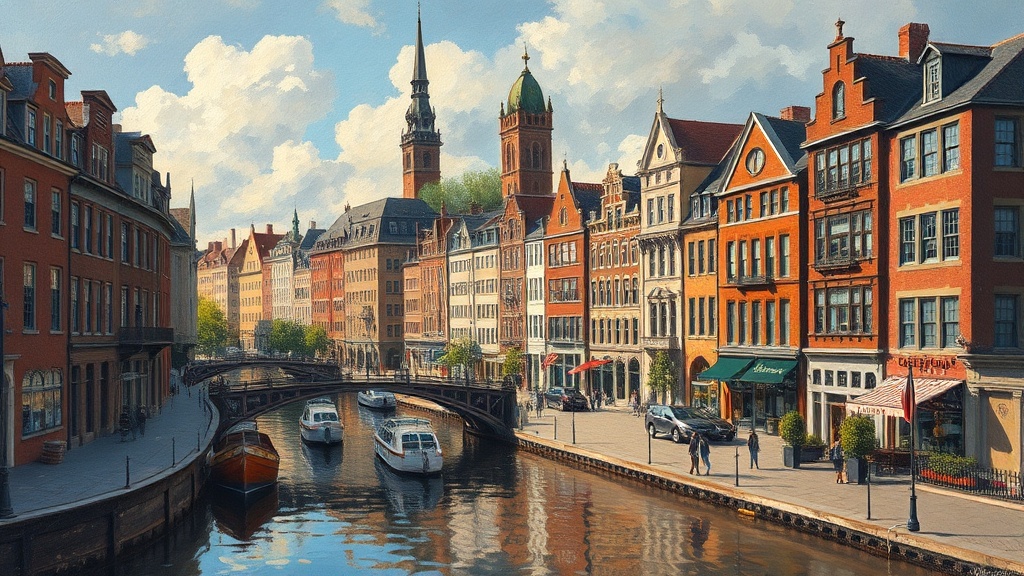
Start by wandering the brick sidewalks and narrow alleys.
The neighborhood’s well-preserved rowhouses and colonial-era architecture create a distinct mood that’s perfect for photography and leisurely strolls. Book Hill, with its independent bookstores and art galleries, showcases the area’s creative side, while the heart of M Street and Wisconsin Avenue is where shopping and people-watching come alive. Expect a curated mix of national brands, local boutiques, and specialty stores—not just for show, but for thoughtful gifts and fashion finds.
Culture and history are woven through the streets. The C&O Canal towpath offers a peaceful escape from the urban pace; walking or biking along the shaded towpath brings a taste of nature and a unique perspective on the neighborhood’s past as an industrial and trading corridor.
Nearby historic houses and museums add depth—quiet gardens, period rooms, and curated collections tell stories that contrast nicely with Georgetown’s modern storefronts.
Dining in Georgetown ranges from elevated bistro experiences to casual cafes and waterfront seafood. Patio dining along the waterfront is a perennial favorite, where river views complement seasonal menus.
For a more intimate meal, explore the side streets off the main drag—there are neighborhood spots offering everything from inventive small plates to comforting classics. Brunch culture is strong here, and locals often recommend arriving early on busy weekend mornings to avoid long waits.
Outdoor life centers on the Potomac River and the waterfront park.
The promenade is ideal for running, walking dogs, or catching the sunset behind the Key Bridge.
Water-based options include kayak and paddleboard rentals, and a water taxi service connects Georgetown to other waterfront neighborhoods, offering a scenic alternative to roads and transit. For cyclists, dedicated bike lanes and shared paths make it easy to explore adjacent areas without needing a car.
Practical tips for visiting: Georgetown is compact and highly walkable, so comfortable shoes will make the day more enjoyable. Parking can be limited—metered street spots and public garages fill up quickly—so consider public transit, a rideshare, or the water taxi when possible. Weekday afternoons tend to be calmer than weekend peak hours, which is useful for those seeking a more relaxed experience.
Hidden gems to seek out include tucked-away gardens, small art galleries, and historic cemeteries that offer quiet reflection. For a nature-meets-culture stop, garden spaces surrounding certain museums provide peaceful respite and seasonal blooms that photographers and gardeners appreciate. Don’t miss the chance to explore side streets where local artisans and food purveyors maintain a quieter, community-focused presence.
Georgetown’s blend of history, shopping, dining, and waterfront activity makes it a versatile destination. Whether exploring historic landmarks, sampling a new restaurant, or simply enjoying the river breeze, the neighborhood invites visitors to slow down and savor a richly textured urban experience.
Leave a Reply