Washington DC offers far more than the iconic silhouette of the National Mall. While the monuments and Smithsonian museums draw travelers from around the world, the city’s layered neighborhoods, vibrant food scene, and green corridors reward visitors who look beyond the postcard view.
Whether you’re planning a weekend or a longer stay, here’s how to experience Washington DC like a local.
Discover neighborhoods with distinct personalities
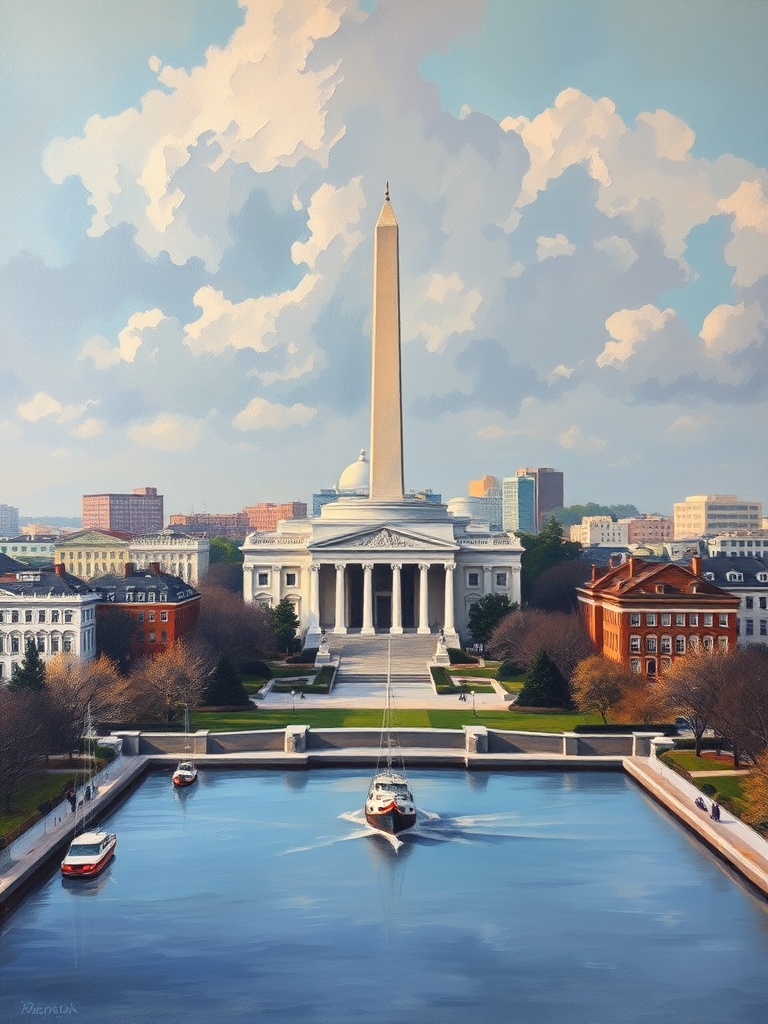
– Georgetown: Historic streets, waterfront dining, and independent boutiques make this a picturesque place to stroll.
Don’t miss the canal towpath for a quieter perspective.
– Dupont Circle: Bookshops, embassies, and lively cafes create an intellectual, cosmopolitan vibe. Outdoor markets and garden squares are great for people-watching.
– U Street and Shaw: Music history, jazz clubs, and an evolving restaurant scene anchor these adjacent neighborhoods. Look for live performances and late-night eats.
– Adams Morgan: Eclectic dining and nightlife, with a multicultural mix of shops and bars. It’s the place to find late-night energy and international flavors.
– Capitol Hill and Eastern Market: Classic rowhouses and a bustling market offer farmer produce, crafts, and a community feel close to major landmarks.
Museums and culture beyond the Mall
The Smithsonian museums along the Mall are essential, but DC’s cultural range extends farther.
Contemporary art spaces, historical house museums, and specialty institutions provide immersive exhibits without always requiring advance tickets.
Plan at least one evening at a performance venue—music halls and theaters regularly host local and touring acts.
Outdoor spaces and urban nature
DC balances monumental civic spaces with surprising pockets of nature. Rock Creek Park offers wooded trails and a nature center within the city’s boundaries; the National Arboretum showcases curated plant collections and wide lawns perfect for picnics. Waterfront redevelopment has created walkable promenades and kayak access along the Anacostia and Potomac, turning former industrial edges into active public spaces.
Where to eat and drink
Dining in the city spans food trucks and experimental tasting menus. Neighborhood food halls and independent bakeries provide casual options, while chef-driven restaurants highlight local and global ingredients.
For a relaxed outing, try riverside dining at the Wharf or a neighborhood brunch followed by a gallery crawl.
Reservations are recommended for popular spots, especially on weekends.
Getting around
Washington’s compact core makes walking one of the best ways to experience the city, but a mix of public transit and micromobility tools adds flexibility. Metro and bus networks cover major destinations; bike-share and electric scooters are widely available for shorter trips. Rideshare services and taxis fill gaps, particularly late at night or when traveling between neighborhoods that aren’t directly connected by transit.
Practical tips for visitors
– Expect security screening at major museums and indoor attractions; allow extra time during peak visitation.
– Pack comfortable shoes—many of DC’s highlights are best enjoyed on foot.
– Check museum and venue reservation policies ahead of time; some require timed-entry tickets.
– Explore beyond tourist corridors; neighborhood restaurants, markets, and shops often deliver the most memorable experiences.
Accessibility and safety
Public spaces, museums, and transit systems have accessibility features, and many institutions provide accommodations on request. Standard urban safety awareness—staying in well-lit areas at night, keeping belongings secure, and using trusted transportation options—helps ensure a smooth visit.
For a richer stay, combine iconic attractions with neighborhood exploration and outdoor time. Washington DC’s mix of history, culture, and contemporary life makes it rewarding whether you’re revisiting familiar sites or discovering new corners for the first time.
Leave a Reply