Georgetown remains one of the most magnetic neighborhoods in the capital, where historic charm meets a lively modern scene.
With cobblestone streets, preserved Federal-style rowhouses, and a riverside stretch that invites strolling, it’s a compact area packed with things to do, see, and taste.
Historic character and campus life
The neighborhood’s architecture is a big part of its appeal.
Walkable blocks around M Street and the side streets showcase classic brick facades, wrought-iron details, and stately townhomes.
A short walk brings visitors to a prestigious campus that shapes much of the local energy—ample green space, Gothic and Romanesque buildings, and public events that enliven the area seasonally. Campus performances, lectures, and student-run activities give the neighborhood a youthful vibe while historic markers and preserved sites tell older stories.
Waterfront and outdoor activities
Georgetown’s waterfront is a favorite destination for locals and visitors alike.
The promenade along the river is ideal for walking, jogging, and people-watching, and the scenic steps near the water offer one of the best urban sunset views. Outdoor options include kayaking and paddleboarding launched from rental points on the Potomac, or biking the Capital Crescent Trail and the C&O Canal Towpath for an easy escape from city streets. Parks and small green spaces provide quiet spots to picnic or read.
Shopping and dining
M Street and Wisconsin Avenue form the neighborhood’s commercial spine.
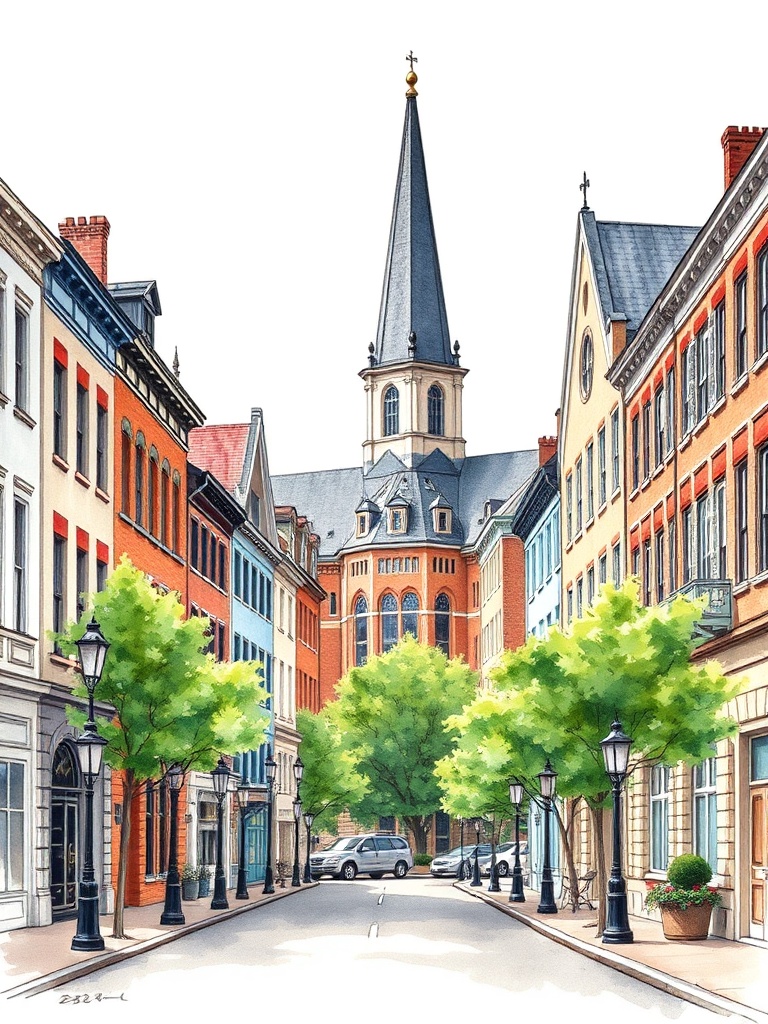
Boutique shops mix with established retailers, antiques dealers, and specialty stores, making Georgetown a strong shopping destination. Food culture here ranges from sleek waterfront restaurants to cozy cafes and bakeries. Cupcakes, coffee, farm-to-table dining, and international flavors sit within short walking distances of each other, offering plenty of options for food lovers and casual diners alike.
Cultural attractions and nightlife
Beyond shopping and dining, Georgetown offers galleries, small museums, and historic houses open to the public. Nightlife mixes intimate bars and live-music venues with upscale cocktail lounges. The area’s walkability means evenings can easily move from dinner to a riverside stroll or a late-night dessert stop without needing a car.
Practical tips for visitors
– Getting there: The neighborhood does not have its own metro stop; the closest rail options require a short ride or walk from nearby stations. Ride-share, bus lines, and nearby parking garages are common options.
Biking and walking are often the easiest ways to move around once inside Georgetown.
– Parking: Street parking is metered with time limits; garages provide a reliable alternative during peak hours. Expect busy weekends and plan extra time for arrivals and departures.
– Footwear and planning: Cobblestones and uneven sidewalks mean comfortable shoes are recommended. Weekend afternoons can be crowded—consider early mornings or weekday visits for a quieter experience.
– Accessibility: Some older streets and buildings have limited accessibility; many businesses and public areas provide accessibility information online or by phone.
Why people keep coming back
Georgetown combines the intimacy of a small town with the cultural and culinary resources of a major city. Whether stopping by for a scenic walk along the river, hunting for a unique boutique find, attending a campus event, or savoring a special meal, the neighborhood’s blend of old-world charm and modern amenities makes it a memorable destination on any visit.
For a compact, walkable experience that offers both relaxation and discovery, Georgetown continues to deliver.
Leave a Reply