Georgetown: A timeless neighborhood blending history, culture and riverside life
Georgetown remains one of the most visited and talked-about neighborhoods in the capital region, prized for its cobblestone streets, historic row houses and a vibrant mix of shops, restaurants and university life. Whether you’re strolling along M Street, exploring the C&O Canal towpath, or soaking up the views from the waterfront, Georgetown offers an easy-to-navigate mix of old-world charm and modern amenities.
What to see and do
– Georgetown Waterfront Park: A popular spot for walks, outdoor dining and scenic views of the river.
Pathways, seating areas and seasonal programming make it a hub for locals and visitors alike.
– C&O Canal National Historical Park: Follow the towpath for a quiet escape from city noise, with opportunities for walking, biking and history spotting along the old canal locks.
– M Street and Wisconsin Avenue: These parallel corridors host an eclectic retail mix from national brands to independent boutiques, plus bookstores, jewelry shops and specialty food stores.
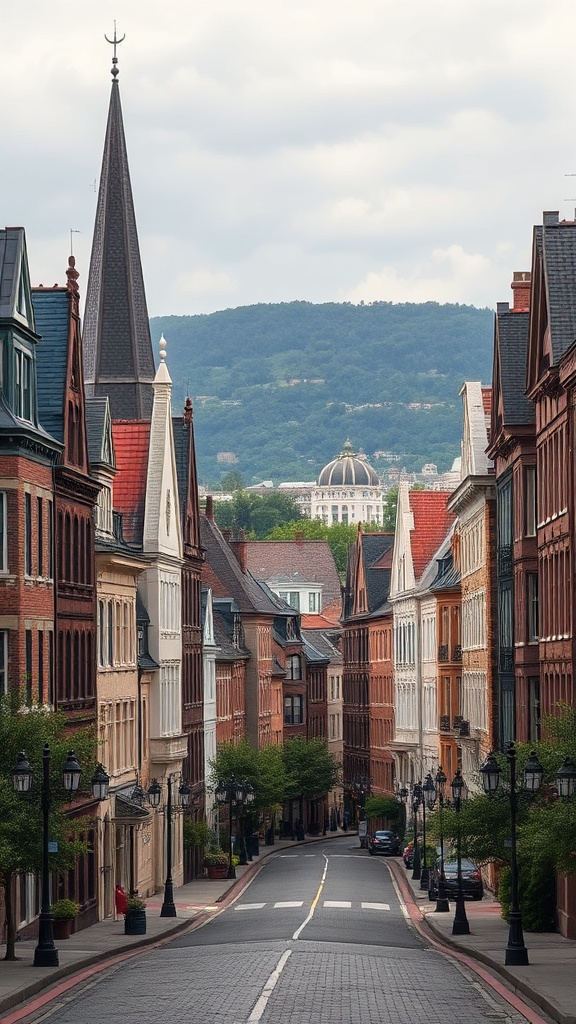
– Historic architecture: Wander the side streets to admire Federal-style row houses, ornate gates and private gardens that capture the neighborhood’s preservation-minded character.
– University presence: The local university contributes cultural events, lectures and public performances that add intellectual energy and draw a diverse crowd.
Dining and nightlife
Georgetown’s dining scene covers every mood—casual cafés, upscale waterfront restaurants, late-night bars and longstanding neighborhood favorites. Patio seating along the waterfront and sidewalk cafes along the main shopping streets create a lively street-level atmosphere. Food options favor locally sourced menus and seasonal offerings, and many places now emphasize outdoor dining, craft cocktails and resilient supply chains to stay nimble through changing demand.
Transportation and access
Georgetown is walkable and bike-friendly, with bike lanes and capital bikeshare stations nearby. Car access can be tricky during peak times—limited parking and narrow streets make public transit, walking or cycling attractive choices. Ride-hailing and water taxi services also provide convenient alternatives for getting to and from nearby city destinations.
Balancing preservation and progress
A central theme for Georgetown is the balance between historic preservation and contemporary development. Community groups, preservationists and planners frequently navigate competing priorities: protecting the neighborhood’s architectural character while accommodating new housing, commercial needs and infrastructure upgrades.
Streetscape improvements, traffic-calming measures and targeted development projects aim to enhance livability without eroding the area’s distinctive character.
Sustainability and resilience
With its riverside location, Georgetown is engaged in conversations about climate resilience and stormwater management. Local initiatives focus on flood mitigation, green infrastructure and shoreline improvements to safeguard public spaces and historic properties while maintaining public access to the waterfront.
Tips for visitors
– Start early to avoid crowds on the main shopping streets and to enjoy quieter moments along the canal.
– Combine a stroll through the university campus with a walk to the waterfront for a full neighborhood experience.
– Explore side streets for hidden gardens and lesser-known eateries that capture local flavor.
– Check local event calendars for outdoor concerts, lectures and markets that add seasonal vibrancy.
Georgetown’s enduring appeal comes from its layered character—historic roots, a lively commercial core and riverside green space—all framed by ongoing conversations about how best to preserve what makes the neighborhood special while adapting to contemporary needs. Whether visiting for a day or exploring more deeply, Georgetown rewards curious walkers, food lovers and history enthusiasts alike.
Leave a Reply