Georgetown remains one of the most magnetic neighborhoods for visitors and locals alike, blending centuries-old charm with a lively dining, shopping, and cultural scene.
Whether you’re planning a weekend visit or rediscovering the area, here’s a compact guide to what makes Georgetown special and how to enjoy it.
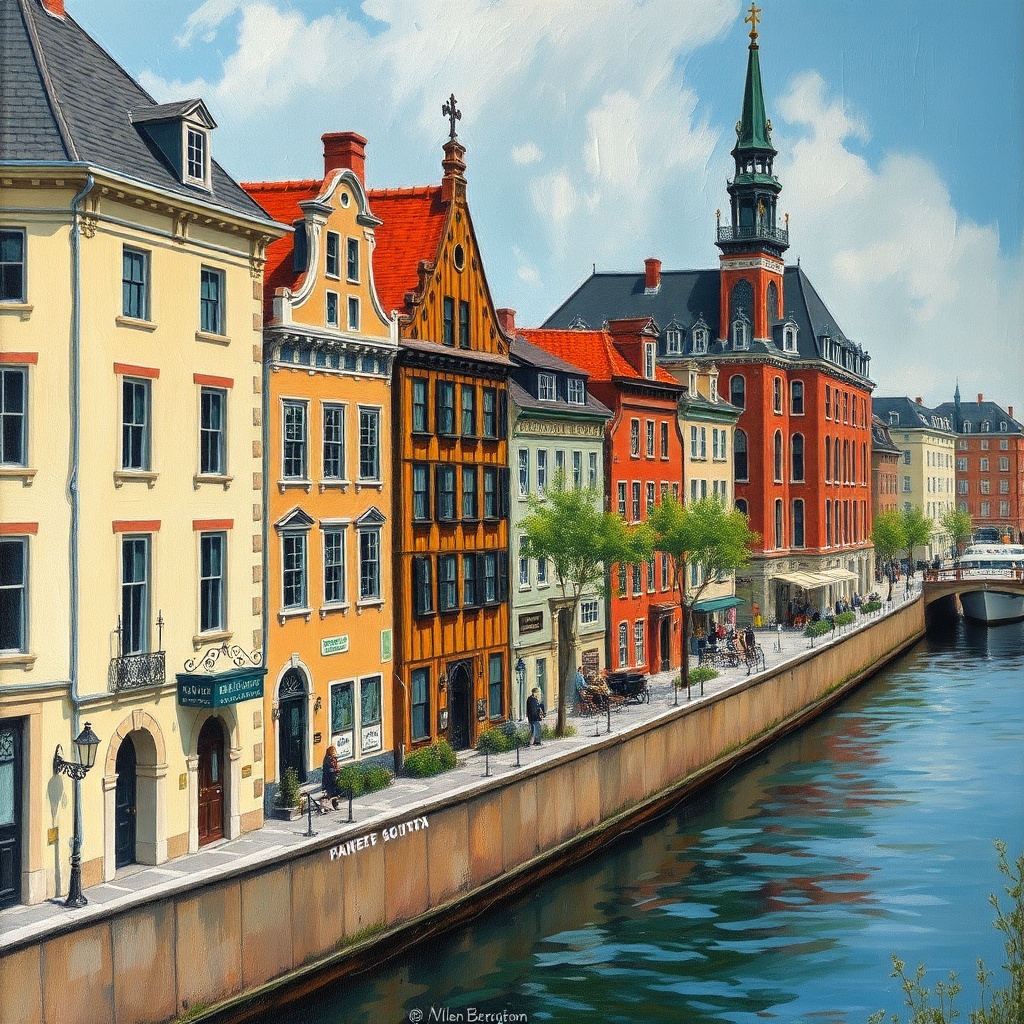
Historic character and green spaces
Cobblestone streets, brick rowhouses, and the leafy towpath of the C&O Canal create a sense of time slowed down. The canal towpath is perfect for a reflective walk or a casual bike ride; since the route runs beside the water, it’s a peaceful respite from busy M Street. Dumbarton Oaks and its gardens offer a quieter, cultivated experience, while the Old Stone House stands as one of the neighborhood’s most photographed historic sites. The waterfront park is an active focal point, with riverside seating, green lawns, and a lively atmosphere on fair-weather days.
Food and drink for every mood
Dining in Georgetown ranges from intimate bistros and classic American taverns to ambitious farm-to-table kitchens and international spots.
M Street and Wisconsin Avenue host many of the neighborhood’s well-known restaurants, but some of the best finds are tucked down side streets and in converted townhouses.
Brunches are popular on weekends, and sidewalk seating gives you the quintessential Georgetown people-watching experience. For drinks, rooftop bars and cozy cocktail lounges both deliver great city views and spirited nights out.
Shopping and style
Georgetown is a shopping destination that mixes national brands with independent boutiques.
Stroll along the main commercial corridors to discover fashion, home goods, artisanal gifts, and specialty food shops. The neighborhood is especially appealing for anyone looking for curated pieces and boutique experiences rather than big-box retail.
University energy and cultural life
Georgetown University contributes to a distinct collegiate energy—think campus events, public lectures, and athletic matchdays that spill into local cafés. Cultural institutions and galleries throughout the neighborhood host rotating exhibits, talks, and performances that add intellectual and artistic layers to Georgetown’s social fabric.
Getting around and practical tips
Georgetown has no Metro station directly in the neighborhood, which shapes the transit experience: buses, ride-shares, Capital Bikeshare, and pedestrian access from nearby neighborhoods are the most common ways to arrive.
Parking can be scarce during peak times, so planning ahead is wise. Comfortable shoes are essential for navigating uneven sidewalks and cobblestones.
Community and preservation
A long-standing focus on preservation has kept Georgetown’s historic charm largely intact. That civic-minded approach means new developments are often carefully reviewed, and local landmarks receive ongoing attention. If you’re curious about architecture or urban design, a self-guided walking tour reveals fascinating details—from Federal-style rowhouses to small, hidden gardens.
Seasonal rhythms and events
Georgetown’s calendar follows seasonal rhythms: outdoor dining and waterfront activities peak in warmer months, while holiday lights and indoor events create a cozy scene during colder seasons. Farmers markets, pop-up shops, and neighborhood festivals appear throughout the year, making repeat visits rewarding.
Final note
Georgetown strikes a rare balance between historic preservation and contemporary urban life. It’s a neighborhood that invites slow exploration—walk its streets, sample its eateries, and pause by the water to appreciate how past and present coexist in one of the city’s most picturesque quarters.
Leave a Reply