Washington, D.C. blends monumental history with lively neighborhoods and a constantly evolving urban fabric. Whether you’re a first-time visitor or a long-time resident rediscovering the city, practical strategies for getting around and a few neighborhood picks can make any trip smoother and more rewarding.
Getting around: transit, walking, and micromobility
– Metrorail and Metrobus remain the backbone of city travel. Metrorail connects major attractions, business districts, and neighborhoods; Metrobus fills in gaps and reaches destinations beyond the rail network.
A reloadable transit card or a mobile payment option will speed boarding and save time.
– The DC Circulator offers affordable, frequent routes that connect key corridors, often with simpler routes than regular buses. It’s a handy option for short hops between popular neighborhoods.
– Capital Bikeshare stations are abundant across the city and suburban ring, making short rides convenient and eco-friendly. Dockless e-scooters and dockless bikes also operate widely; they’re ideal for short distances but pay attention to local rules and parking requirements.
– Walking is often the fastest way to experience central areas. The National Mall, Georgetown waterfront, and many neighborhood commercial strips are highly walkable. Comfortable shoes and a weather-aware plan will help you cover more ground.
– Rideshare and taxi services are useful for late-night trips, destinations with limited transit access, or when traveling with luggage. Parking can be limited and costly downtown, so consider park-and-ride options or public transit for events.
Neighborhood highlights worth exploring
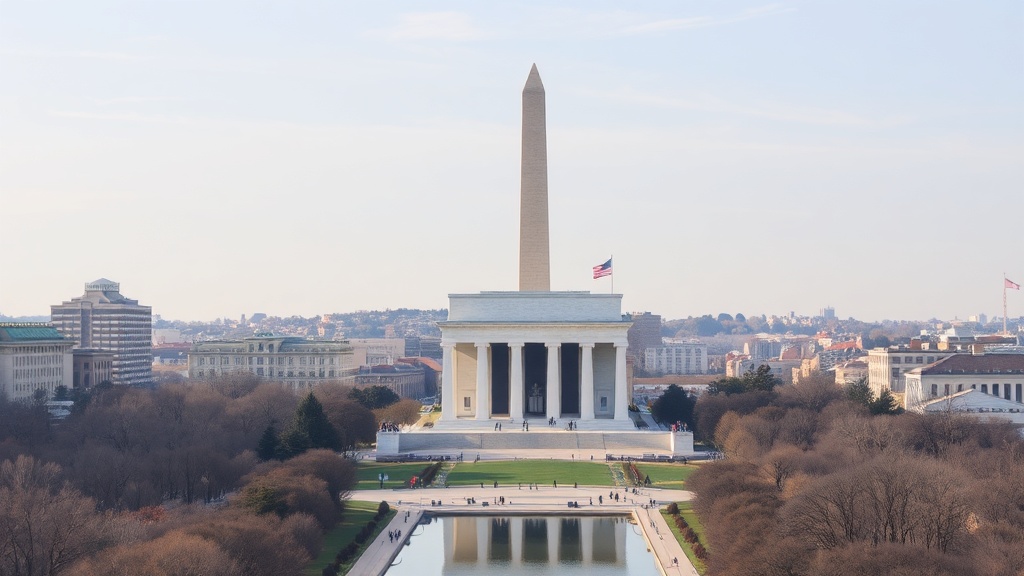
– Downtown and the National Mall: Iconic museums and memorials are concentrated here. Smithsonian museums offer free admission, and the Mall’s layout makes corridor walks rewarding. Arrive early for quieter galleries and photo opportunities.
– U Street and Shaw: Known for music history, vibrant nightlife, and contemporary dining, this corridor blends historic venues with new restaurants and boutique shopping.
– Georgetown: Cobblestone streets, waterfront dining, and historic architecture make this neighborhood a perennial favorite. It’s more tourist-oriented, so visit surrounding side streets to find quieter cafés and unique shops.
– Capitol Hill and Eastern Market: Charming rowhouses, a lively public market, and community events give this area a local feel. Weekend markets and nearby parks are ideal for relaxed exploring.
– Southwest Waterfront and Anacostia: These waterfront neighborhoods have seen thoughtful redevelopment and offer riverside parks, seafood spots, and cultural attractions that feel a step off the beaten path.
Tips for a smoother visit
– Time your museum and memorial visits to avoid peak crowds; early morning or late afternoon often feels calmer.
Some attractions require security screening—factor that into your schedule.
– Check transit alerts and build extra time for peak-hour travel. Mobile apps for transit can provide real-time updates and route planning.
– Pack a small day bag with water, a portable charger, and a printed map or offline map downloaded to your phone. Cell coverage is generally good, but it’s wise to be prepared for crowds and long walks.
– Try local food markets and food halls to sample a variety of cuisines in one stop. Farmers markets, seasonal events, and neighborhood pop-ups are great ways to taste the city’s evolving culinary scene.
Whether you’re focused on museums, food, live music, or waterfront strolls, layering a transit plan with a few neighborhood priorities will help you see more of what makes the city special. Flexible planning and an appetite for walking will reveal both the well-known landmarks and the quieter corners that give the city its character.
Leave a Reply