Georgetown: Historic charm, waterfront life, and modern momentum
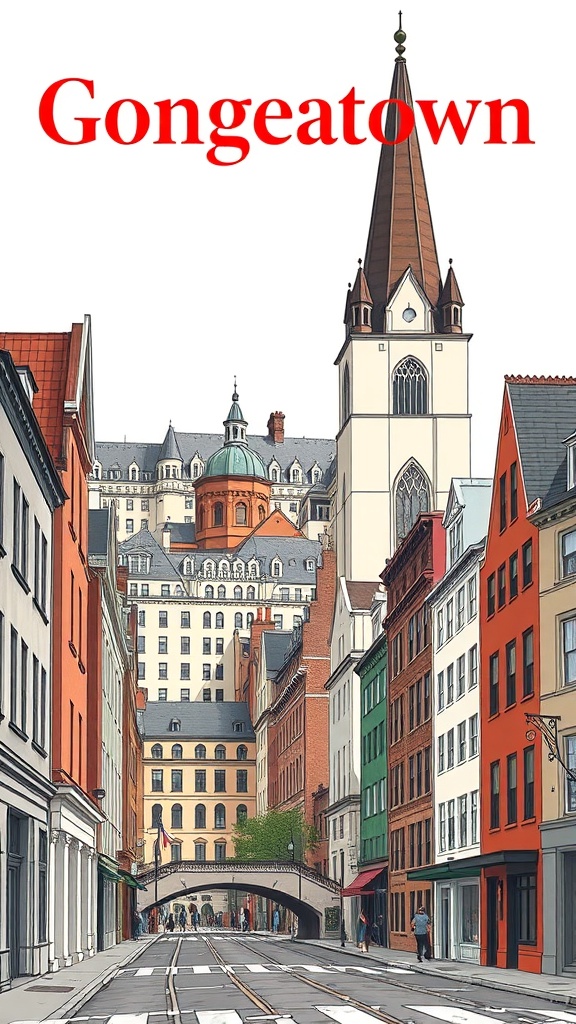
Georgetown blends centuries-old architecture with a lively commercial core, making it one of the most visited neighborhoods in the capital region. Cobblestone streets, brick rowhouses, and leafy squares mix with designer boutiques, independent bookstores, and a waterfront that invites both leisurely strolls and active pursuits.
What to see and do
– Walk the C&O Canal towpath for a quiet escape from urban bustle. The shaded path runs along the water and offers a glimpse of historic locks, boats, and well-preserved industrial-era structures.
– Explore the university campus and surrounding streets. The collegiate setting adds cultural programming and a youthful energy that complements the neighborhood’s historic fabric.
– Stroll M Street and Wisconsin Avenue for shopping and dining.
Expect a range from flagship retailers to curated boutiques, antique dealers, and artisanal food shops.
– Visit small museums, gardens, and historic homes tucked into residential blocks. Several house museums and private gardens open to the public on a regular basis, offering a peaceful contrast to the busier commercial corridors.
– Spend time on the waterfront: parks, piers, and dining options create an active riverfront scene that’s popular for sunset walks, paddle sports, and weekend markets.
Getting around
Georgetown’s compact layout makes it highly walkable, but it has no direct subway station. Transit options include buses, the city’s circulator routes, scooters, bikes, and nearby metro stations a short bus or bike ride away.
Parking can be limited; consider arriving by bike, rideshare, or public transit during peak times.
Capital Bikeshare docks and bike lanes provide convenient alternatives.
Food and nightlife
Dining covers every mood—from casual waterfront eateries to intimate tasting menus and longtime neighborhood pubs.
Many chefs use local suppliers, and there’s a growing scene of craft cocktail bars and specialty coffee shops. Weekend brunches and dinner reservations fill quickly, so plan ahead for popular spots.
Preservation meets change
A defining characteristic of Georgetown is its commitment to historic preservation. Strict design regulations have kept the neighborhood’s architectural integrity intact, but those rules also spark debates about housing supply, commercial evolution, and how to accommodate modern needs without losing character. Local planning discussions often focus on balancing sensitive development with the wishes of longtime residents and business owners.
Environmental and resilience priorities
Being next to the Potomac brings recreational benefits and periodic challenges from stormwater and river flooding.
Municipal and neighborhood stakeholders have focused on projects to improve stormwater management, upgrade infrastructure, and protect low-lying assets while expanding green space and pedestrian access.
Insider tips
– Start early to enjoy quieter streets and easier parking, or visit on weekday afternoons for a less crowded experience.
– Wear comfortable shoes—cobblestones and uneven sidewalks are part of the neighborhood’s charm.
– Look for guided walking tours to learn hidden stories about architecture, politics, and local folklore that aren’t obvious from the street.
Why visitors keep coming back
Georgetown’s appeal lies in its layers: a visual history preserved in brick and stone, a commercial heart that still supports small, independent shops, and a riverfront that keeps the neighborhood connected to the water and the wider city.
Whether you’re after culture, shopping, or a scenic walk, Georgetown rewards slow exploration and curiosity.
Leave a Reply