George Washington University sits at the crossroads of higher education and public life — an urban research university whose location in the heart of Washington, D.C. gives students unmatched access to internships, policymakers, international organizations, and cultural institutions.
Why location matters
Being steps from the National Mall, federal agencies, and international embassies turns classroom learning into on-the-ground experience. Students across disciplines commonly blend coursework with internships on Capitol Hill, at think tanks, NGOs, and startups. That daily interplay between campus and city is a core advantage for anyone studying public policy, international affairs, law, business, health, or communications.
Academic strengths and interdisciplinary options
The university is known for strong programs in international affairs, public policy, law, business, and health sciences. Schools and centers emphasize experiential learning: research collaborations, capstone projects, clinics, and policy labs give students practical skills alongside theory. Interdisciplinary degree options and dual-degree pathways make it straightforward to combine interests — for example pairing policy with data analytics, or public health with business management.
Research, innovation, and entrepreneurship
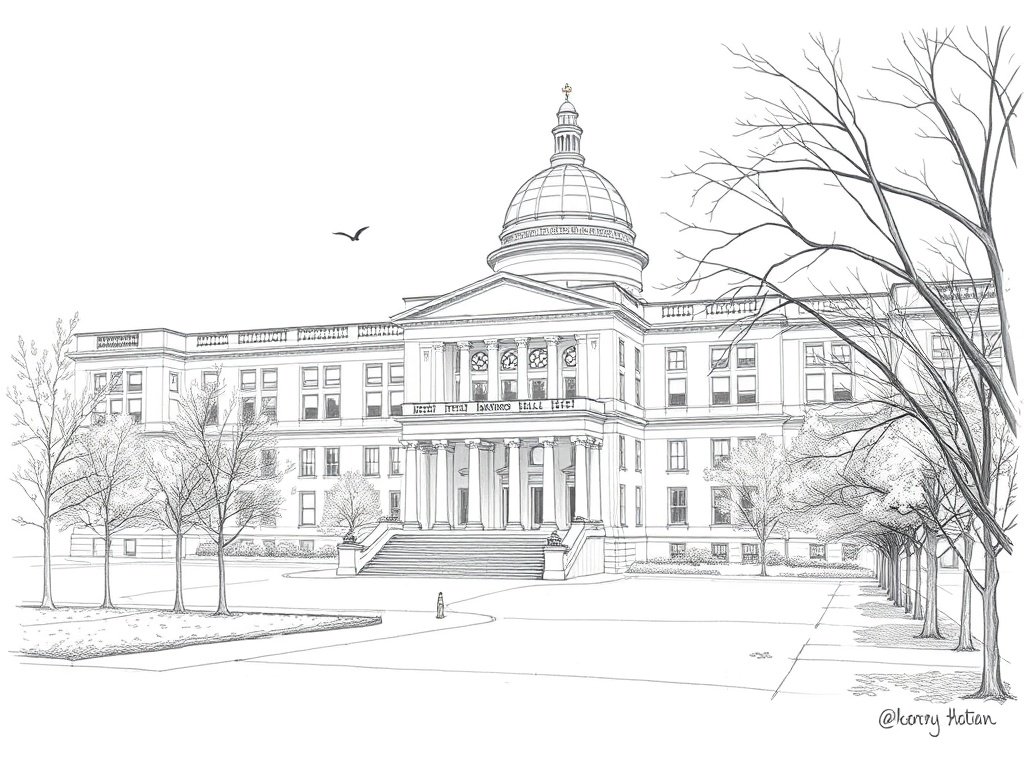
Research centers across campus focus on pressing global challenges, from health equity to cybersecurity and climate policy. Students and faculty often translate findings into practical solutions through entrepreneurship programs and technology commercialization resources. Campus innovation hubs and incubators support early-stage ventures, mentoring, and connections to local investors and industry mentors.
Student life and campus culture
Campus life blends the energy of a major city with the cohesion of a close-knit community. Student organizations cover academic, cultural, political, and recreational interests, while arts venues and performance spaces host frequent events. The university also emphasizes leadership development and civic engagement, encouraging students to participate in community partnerships throughout the city.
Career outcomes and professional preparation
Career services focus on translating the university’s network into concrete opportunities. Recruiters from government, business, media, and nonprofit sectors visit campus regularly, and alumni networks provide mentorship and job leads. Because many internships and entry-level roles are based in the nearby federal and private sectors, students who make early use of career advising often see strong placement outcomes.
Health care and clinical training
An affiliated academic medical center provides clinical training and patient care, supporting programs in nursing, medicine, and allied health. These facilities also engage in community health initiatives and research, offering students hands-on clinical experiences and research opportunities in population health and clinical sciences.
Sustainability and community engagement
Sustainability initiatives focus on reducing environmental impact and increasing resilience across an urban campus. Community engagement programs work with neighborhood groups to address local needs such as housing, education, and public health, creating service-learning possibilities for students.
Tips for prospective and current students
– Leverage the location: pursue internships early and align coursework with practical placements.
– Seek interdisciplinary projects: combine policy, technology, or health perspectives to stand out.
– Use career services and alumni networks: schedule informational interviews and attend employer events.
– Get involved on campus: student organizations and community-service projects accelerate professional development.
– Explore research opportunities: faculty-led labs and centers welcome motivated undergraduates and graduate students.
George Washington University’s blend of urban access, professional networks, and applied learning makes it a strong fit for students who want to connect academic study with real-world impact.
Whether aiming for policy influence, clinical work, entrepreneurship, or international service, students who use campus resources and the city’s ecosystem build skills and connections that extend beyond graduation.
Leave a Reply