Washington DC offers a rich mix of history, culture, and neighborhood charm that rewards repeat visits as much as first-timers. Beyond the iconic monuments and world-class museums, the city is alive with evolving food scenes, waterfront revitalization, and green projects that make it a compelling place to explore for residents and visitors alike.
What to see and do
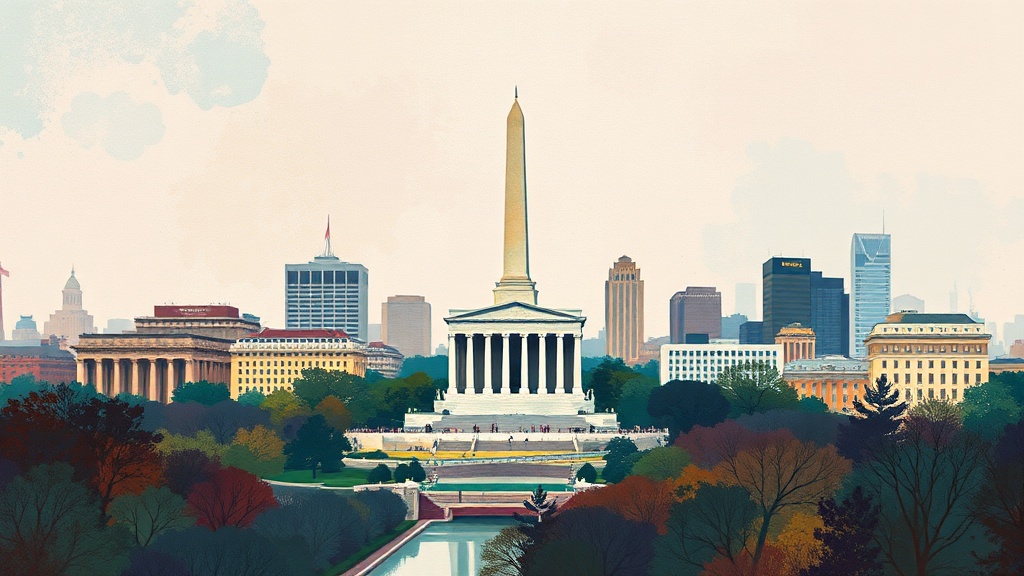
The National Mall remains essential for any trip — a linear park that connects major monuments and Smithsonian museums.
Many Smithsonian museums are free, making them ideal for thoughtful exploration without breaking the budget. For a quieter museum experience, seek out smaller institutions such as the National Portrait Gallery, Dumbarton Oaks, or the Kenilworth Aquatic Gardens for a nature-centric escape.
Neighborhoods with character
– U Street and Shaw: Known for lively nightlife, jazz history, and a growing roster of chef-driven restaurants.
– Georgetown: Historic streets, boutique shopping, and waterfront dining make this a perennial favorite.
– Navy Yard and The Wharf: Vibrant riverfront destinations with seafood markets, concert venues, and walking paths.
– H Street NE and Columbia Heights: Eclectic dining, bars, and cultural venues that showcase a diverse city scene.
– Anacostia: Emerging arts spaces, riverfront trails, and community-driven projects offer a different perspective on city life.
Getting around
Public transit is useful for most major attractions; the rapid transit system covers many neighborhoods and the downtown core.
Contactless fare options and mobile apps make paying and planning easier.
For shorter trips, Capital Bikeshare and a variety of e-scooter services provide flexible mobility, while the Anacostia Riverboat and ferry options add a scenic twist to river crossings. Walking remains one of the best ways to absorb the city’s architecture and street life.
Food and drink
DC’s dining scene blends global influences with locally sourced ingredients.
Split your time between acclaimed fine-dining restaurants and neighborhood spots that offer foodhall-style meals, international flavors, and inventive quick bites.
Farmers markets and seasonally rotating menus reflect a focus on local producers. Coffee shops, craft cocktail bars, and rooftop venues provide plenty of relaxed ways to spend an evening.
Outdoor and green spaces
Rock Creek Park is a large urban refuge, ideal for hiking, biking, and paddling. The Anacostia Riverwalk Trail and Potomac waterfront provide continuous, scenic trails for walking and cycling. City initiatives aimed at improving green infrastructure and preserving tree canopy have increased the number of shaded streets and pocket parks, while restoration projects around the tidal basin protect beloved cherry trees and waterfront features from erosion and flooding.
Events and cultural life
Festivals, outdoor concerts, and community markets run year-round. The city’s theatre and live-music scenes support everything from large-scale performances to intimate shows in local venues. Keep an eye on neighborhood calendars for pop-ups and cultural celebrations that highlight the city’s diverse communities.
Practical tips
– Arrive early at popular attractions to avoid crowds and make the most of your day.
– Use a reloadable transit card or mobile payment to streamline travel.
– Pack comfortable shoes — the city is best experienced on foot and by bike.
– Check neighborhood event listings to find local markets, late-night food scenes, and live performances.
Washington DC continually balances its role as a national capital with vibrant local life. Whether you’re drawn by history, food, outdoor recreation, or neighborhood discovery, the city offers layered experiences that reward curiosity and exploration.
Leave a Reply