Washington, D.C. draws millions to its monuments and world-class museums, but with a little planning you can enjoy the highlights without feeling shoulder-to-shoulder with crowds. These practical strategies help visitors and locals discover quieter moments and deeper experiences on the National Mall and beyond.
Start early or go late
Monuments and memorials are at their most peaceful at sunrise and during late afternoons. Early visits deliver softer light for photos and fewer tour groups around icons like the Lincoln Memorial and the World War II Memorial.
If mornings aren’t an option, aim for the last couple of hours before sunset when many day-trippers head back to hotels.
Pick the right weekday
Weekdays—especially midweek—tend to be less busy than weekends. If your schedule is flexible, target Tuesday through Thursday for museum visits and monument walks. Government and school group traffic is still possible, so combine weekday timing with early arrival when possible.
Choose timed-entry and less-trafficked institutions
Many museums now offer timed reservations or free passes that limit crowding.
Reserve entry for top attractions to minimize waiting. Also explore smaller, less-frequented museums that are rich in content: the Renwick Gallery for American craft, the Phillips Collection for intimate modern art, the National Museum of Women in the Arts, and the Textile and Freer/Sackler collections offer calmer, focused visits compared with flagship Smithsonian halls.
Plan loops, not linear routes
Rather than following the typical Mall-to-Mall path, make a circuit that mixes well-known sites with hidden gems. For example, pair the Lincoln Memorial with a stroll around Constitution Gardens and a detour to the nearby Korean War Veterans Memorial before heading to lesser-visited spots such as the Hirshhorn Sculpture Garden or the National Portrait Gallery. This spreads out time and reduces congestion at any single site.
Use alternative access points
Instead of concentrating on the main Mall entrances, approach popular sites from side streets, the Tidal Basin, or nearby neighborhoods like Penn Quarter and the Southwest Waterfront.
Waterfront routes and bridges provide scenic, quieter approaches and excellent views for photography.
Take advantage of guided experiences
Small-group guided tours, ranger programs, and specialized walking routes (architecture, food, or history-focused) help you get more out of each stop with less wandering.
Audio-guides and mobile apps often allow self-paced exploration that avoids crowded guided-group timings.
Be practical with security and bags
Most major museums and memorials conduct bag checks. Carry a small, easy-to-open bag to speed entry and keep valuables secured.
Check museum websites for prohibited items and locker availability before you go.
Mix urban green spaces and neighborhood culture
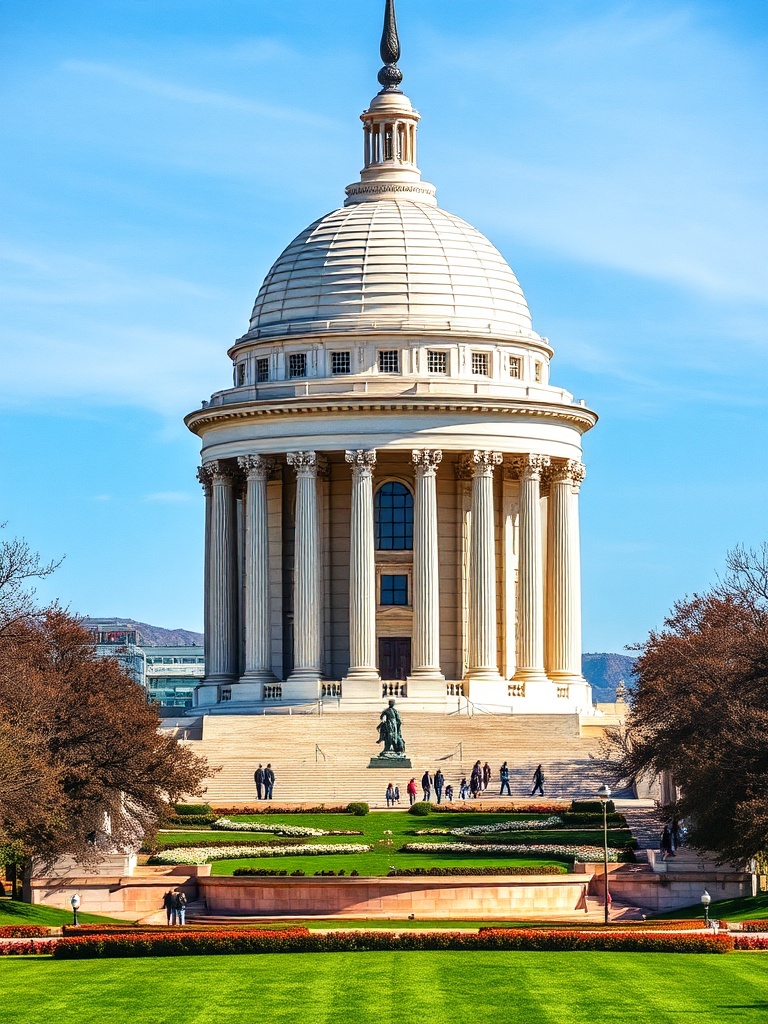
Balance monument-heavy days with time in neighborhood parks and markets. Meridian Hill Park, Dumbarton Oaks, and Kenilworth Aquatic Gardens offer tranquil escapes.
Pair visits with a meal at a nearby neighborhood café, market, or food hall to experience local life away from tourist hubs.
Transport tips
Public transit, bikeshare, and e-scooters are efficient for hopping between neighborhoods. The DC Circulator and riverwalk paths make waterfront approaches pleasant and low-stress. When using transit during peak times, allow a little extra travel time to avoid rushing through security lines.
A well-paced itinerary that blends popular landmarks with quieter cultural stops transforms a crowded sightseeing day into an enriching, relaxed experience.
With timed entries, smart routing, and neighborhood detours, you can enjoy Washington, D.C.’s monuments and museums in a way that feels personal and unrushed.
Leave a Reply