The White House: An Iconic Symbol of American History and Leadership
The White House, an emblem of American history, is not only a symbol of authority but also a testament to the resilience of the nation’s democracy. Sitting at 1600 Pennsylvania Avenue NW in Washington, D.C., this iconic landmark serves as both the residence and workplace of the U.S. president. The epitome of American leadership, the White House is steeped in rich history and continues to stand as a beacon of democratic progress.
Constructed over two centuries ago, the White House encompasses a total area of about 55,000 square feet, spanning six levels comprising numerous rooms. These rooms have seen countless high-profile meetings, international dialogues, and significant policy-making discussions. The Oval Office, in particular, has been the backdrop of some of the most pivotal moments in U.S.
history.
The East Room, the White House’s largest room, has hosted illustrious state dinners, press conferences, and historically significant ceremonies. Fun fact: it’s also been the setting for some of the nation’s most memorable and extraordinary moments — from Abraham Lincoln’s second inaugural ball to the signing of landmark legislation.
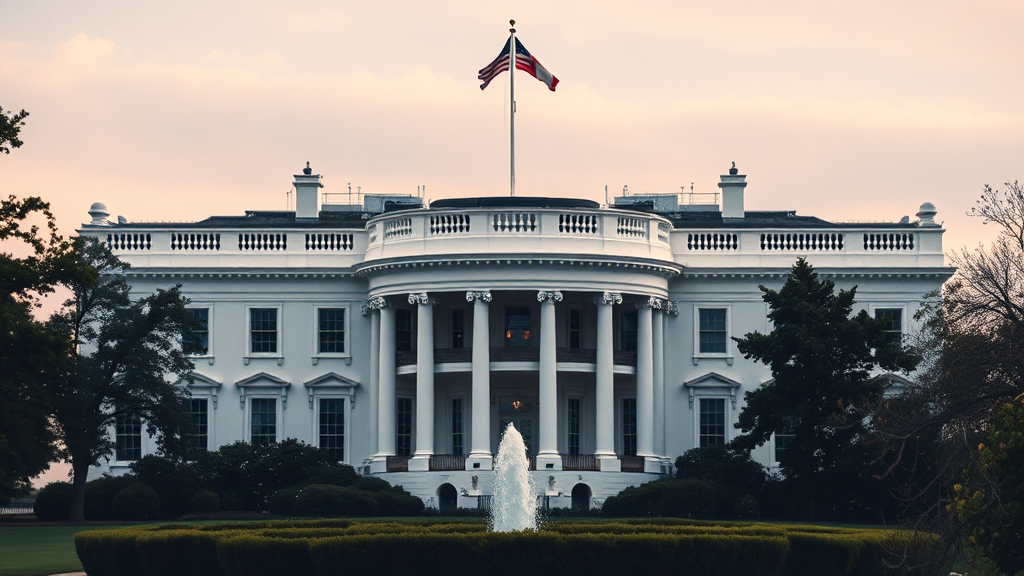
The White House isn’t just a hub for political activity; it’s also a home.
The private quarters of the president, typically located on the second and third floors, provide a sanctuary away from the public eye.
In addition to a master bedroom and den, the president’s private quarters include a fully-equipped kitchen, a gym, and other amenities that cater to the president’s needs and preferences.
Yet, the White House isn’t solely about politics and personal quarters. It’s also about culture and art. Its beautifully curated art collection includes timeless pieces, ranging from portraits of past presidents to invaluable works of American artists. The rotating exhibitions in the White House’s Vermeil Room and China Room make it a living museum, continually changing to reflect the current administration’s tastes and interests.
The White House gardens are another key feature of this magnificent structure. Spread across 18 acres, these gardens have been meticulously designed and maintained. The Rose Garden, adjacent to the Oval Office, has not only been a serene escape for presidents but also a stage for press conferences and official announcements. Other notable gardens include the Jacqueline Kennedy Garden and the White House Kitchen Garden, each with its unique charm and historical relevance.
The White House’s perception in the global arena is also crucial to note.
As the seat of the U.S. presidency, it commands respect and recognition worldwide.
Every action taken within its walls can ripple across global economies, influence international relations, or impact global peacekeeping efforts.
The White House’s unyielding presence, from its inception to the present day, has been a testament to the enduring spirit of America. This iconic structure, steeped in history and prestige, continues to serve as the cornerstone of American democracy and leadership.
In essence, the White House isn’t merely a building; it’s a symbol of hope, change, and resilience. Whether it’s political negotiations in the Oval Office, a state dinner in the East Room, or a night’s rest in the private quarters, every corner of the White House breathes history and embodies the spirit of the nation.
Its ever-present influence continues to shape the U.S. and the world, underlining its role as a key player in global governance.
Leave a Reply