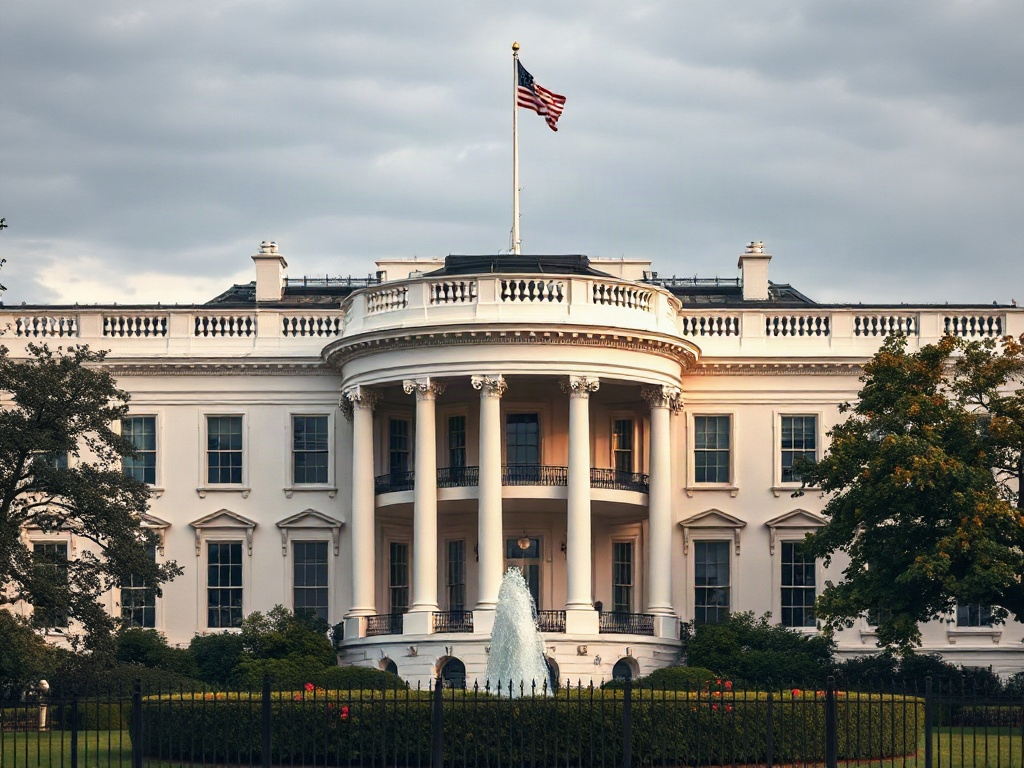
The White House remains one of the most recognizable symbols of national leadership, blending active governance with public history. Ever-evolving, it functions as a working residence, a ceremonial stage, and a curated museum—balancing security, preservation, and public access. Understanding how those roles intersect helps visitors and readers appreciate both the building’s daily function and its broader cultural significance.
A living museum with an evolving collection
The White House’s permanent collection spans American fine and decorative arts, with paintings, furniture, and textiles chosen to reflect nation-building themes. Curators and preservationists work year-round to maintain objects in situ while rotating displays for special events and exhibitions. The White House Historical Association and the Committee for the Preservation of the White House support documentation, conservation, and public education, ensuring artifacts remain accessible to scholars and visitors without compromising the needs of a working executive residence.
Public access and tours
Public tours are offered on a limited basis and provide a rare chance to walk through iconic rooms such as the State Dining Room and East Room. Advance planning is essential: requests typically go through congressional offices or official visitor programs, and security screenings are required. Special events—like garden celebrations and holiday displays—offer additional opportunities to see the grounds and interiors when they are open to larger public gatherings.
Balancing security and openness
Security is necessarily robust, with layered measures that protect both the president and visiting public.
Technology upgrades and modern surveillance are integrated carefully so they don’t detract from historic fabric. Architects and security planners collaborate to conceal infrastructure when possible, using landscape design, discreet barriers, and hardened glazing to preserve sightlines and visitor experience while maintaining safety.
Sustainability and modernization
Efforts to reduce environmental impact have been a growing focus. Energy efficiency upgrades, lighting retrofits, and water-conservation measures are combined with careful historic preservation. Modern mechanical systems are installed in a way that minimizes visual impact, demonstrating that historic buildings can meet contemporary sustainability goals without sacrificing integrity.
The role of the grounds
The White House grounds—Lawns, Rose Garden, and South Lawn—serve diplomatic, cultural, and recreational functions. Landscape architects and horticultural staff maintain plantings that reflect seasonal programming and historical planting plans. Gardens are also used to host outdoor diplomacy, press events, and public traditions, making the outdoors part of the site’s living narrative.
Educational outreach and digital engagement
Digital initiatives have expanded access beyond physical visits. Virtual tours, archival photo collections, and educational resources enable students and history enthusiasts to explore the White House remotely. These online offerings complement on-site experiences and support teaching about architecture, art, and civic institutions.
Why it matters
The White House is more than an official residence; it is an active civic symbol where policy, culture, and tradition intersect. Preservation work safeguards material history while modernization ensures functionality for contemporary governance. For visitors and observers, the appeal lies in seeing how a single site manages competing priorities—welcoming the public, honoring the past, and meeting the demands of the present.
Planning a visit? Check official visitor information well in advance, coordinate through appropriate channels, and be prepared for security protocols. Whether experienced in person or explored online, the White House continues to invite curiosity about the nation’s history and the ongoing work of preserving a living landmark.
Leave a Reply